If you’re pregnant with your first baby, the feeding aisle can feel like a trap. So many options. So many opinions. So many “must-haves” that suddenly feel urgent.
This is your simple, no-overwhelm feeding prep checklist, the things that genuinely make those early weeks easier.
Feeding prep isn’t about predicting exactly how things will go. It’s about making sure you’re not Googling “where to buy baby bottles at 11pm” while holding a crying newborn.
Let’s keep this simple.
1. A Few Good Bottles (Even If You Plan to Breastfeed)
Yes, even if breastfeeding is the plan. Life happens. Milk takes a minute. You might want someone else to do a feed. You might need to express. Having bottles ready removes pressure.
Start with:
• 3–6 newborn-sized bottles
• Slow flow teats
• A bottle that supports mixed feeding
New Beginnings glass baby bottles are made from durable tempered glass and wrapped in a silicone-coated outer for grip (because sleep deprivation is real). Glass is non-porous, easy to clean, and doesn’t absorb smells or go cloudy over time. They’re also compatible with different teat flow rates as your baby grows, so you’re not constantly replacing everything.
Browse the range of baby bottles here.
You don’t need a drawer full. You need enough to rotate through a day calmly.
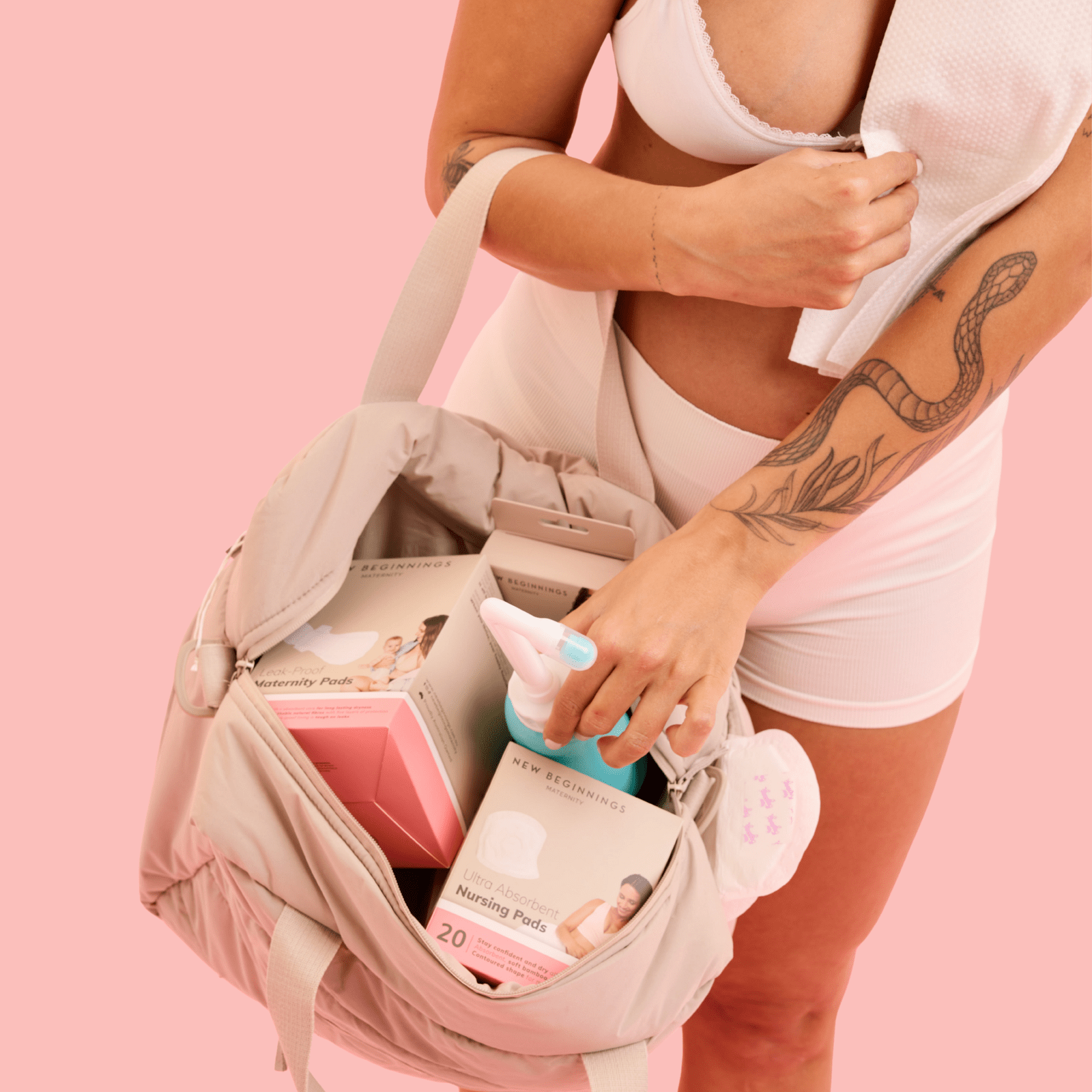
2. One Breast Pump
You don’t need five. You need one.
A breast pump can help with:
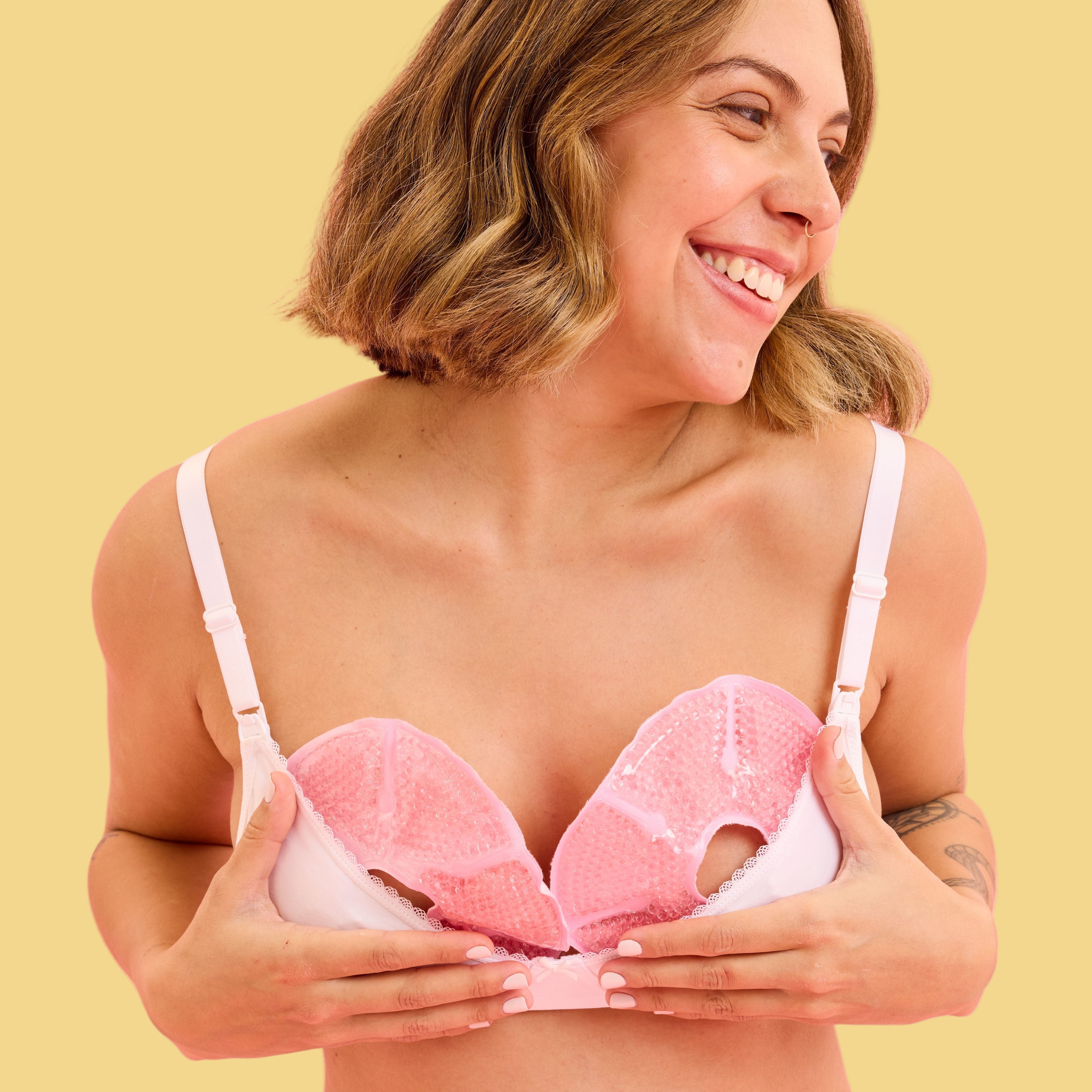
• Relieving engorgement
• Supporting milk supply
• Expressing for mixed feeding
• Giving you a break
Even if you’re not sure how your feeding journey will unfold, having a breast pump available gives you flexibility. And flexibility is the real win in those early weeks.

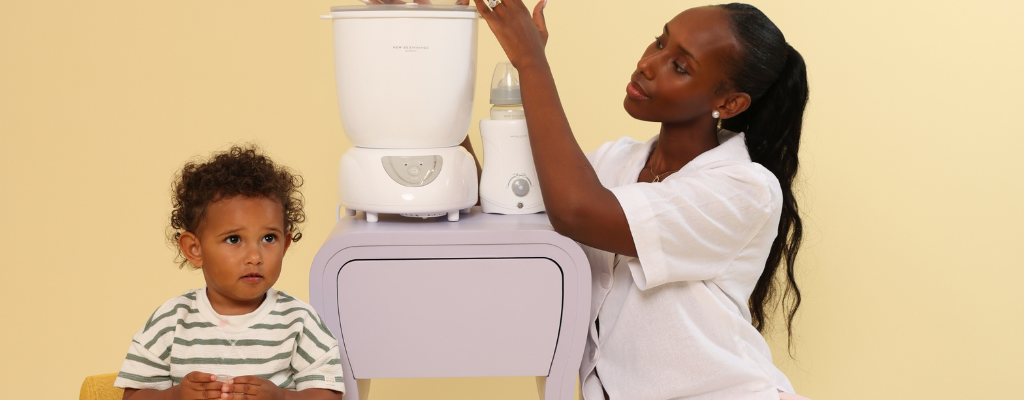
3. A Sterilising Plan (Not a Sterilising Personality)
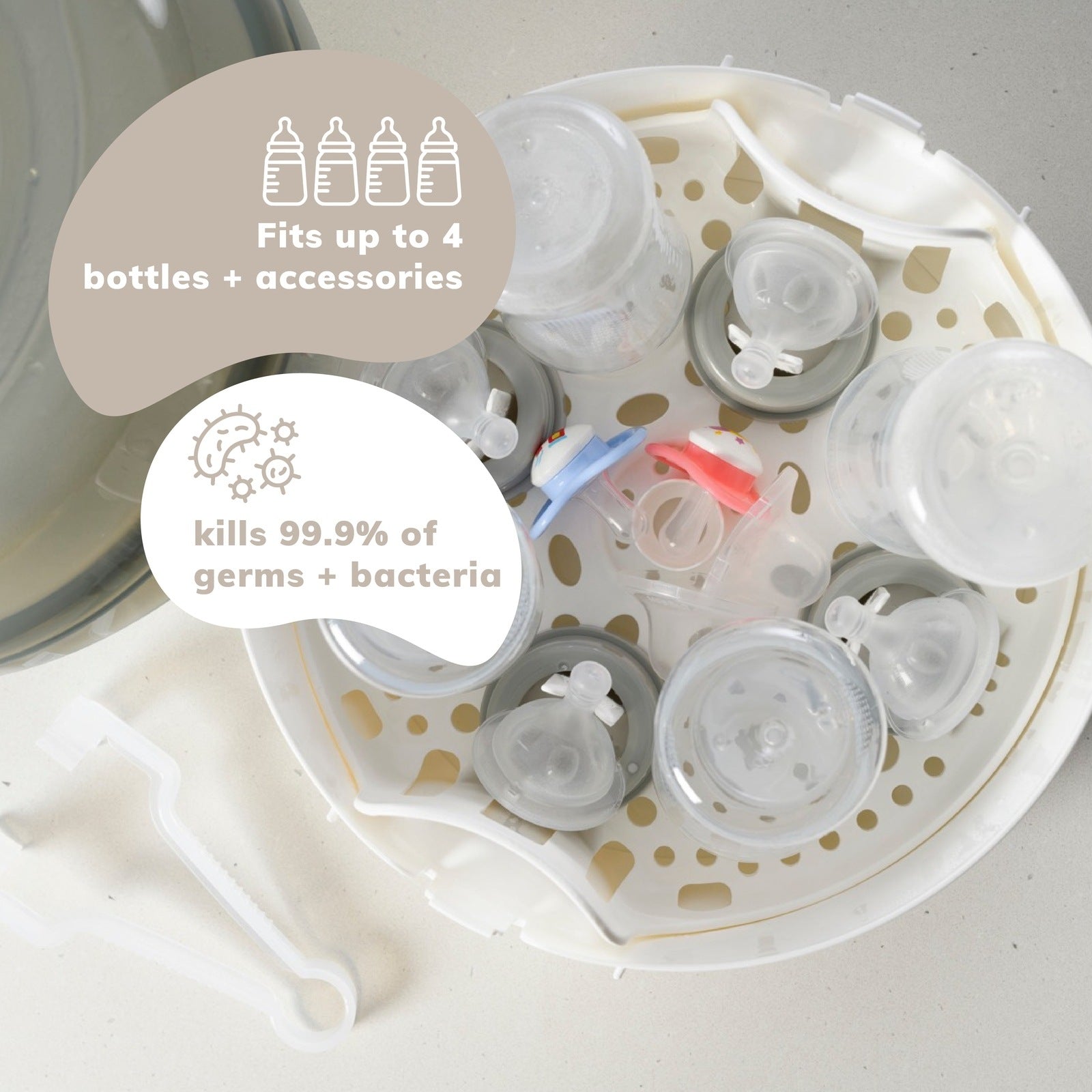
Newborn immune systems are still developing, which is why proper cleaning and sterilising of feeding equipment is recommended in the early months. You don’t need to become obsessed. You just need a sterilisation system.
Pick one method:
• Steam steriliser
• Boiling
• UV sterilisation
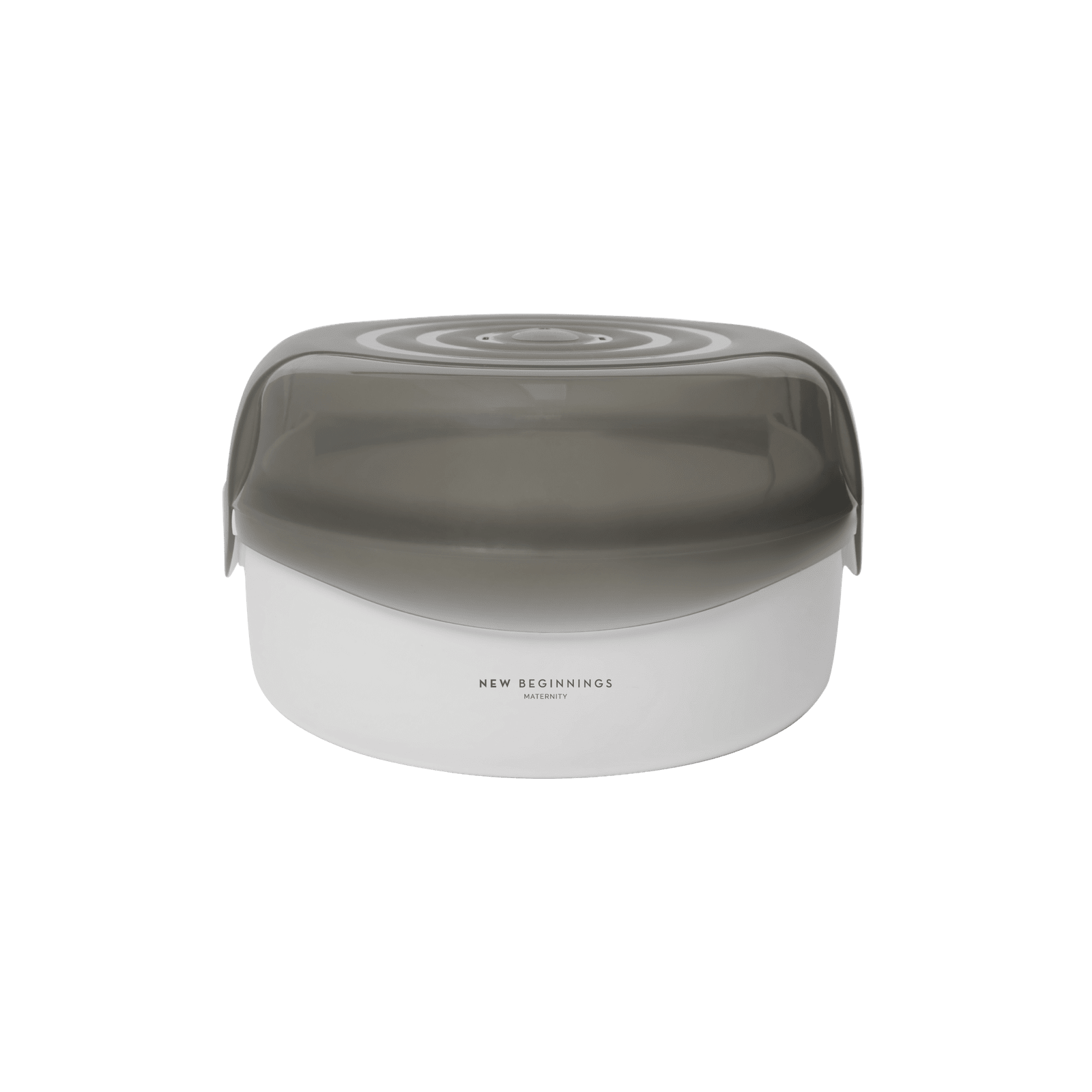
Set it up before baby arrives. Test it once. Know where it lives on the bench. Future-you will be grateful. Shop the New Beginnings sterilisers here.
4. Milk Storage Sorted
If you’re expressing, even occasionally, you’ll need somewhere to store milk safely. Think:
• Storage bottles for fridge
• Breastmilk storage bags
• Clear measurement markings
You don’t need an industrial freezer stash before birth. You need a couple of reliable containers and the knowledge that you can add more later.

5. The Most Important Item: A Flexible Mindset
Feeding can look different to what you imagined. Sometimes dramatically different. That doesn’t mean you did it wrong. It means babies are humans, not instruction manuals.
Instead of aiming for the perfect feeding plan, aim for:
• Options
• Support
• A bit of self-compassion
That’s the setup that actually carries you through.
What You Can Calmly Ignore
You do not need:
• Every bottle size immediately
• Multiple pumps “just in case”
• A year’s supply of storage bags
• To decide your entire feeding strategy at 36 weeks pregnant
Start small. Add as you go. Your baby will not review your setup.
Feeding Prep Checklist at a Glance
Here’s your simple, no-overwhelm newborn feeding checklist:
• 3–6 baby bottles
• Slow flow teats
• One breast pump
• A steriliser and bottle warmer kit (so cleaning and heating milk isn’t a nightly negotiation)
• Milk storage containers
• A calm, flexible mindset
That’s it. Feeding prep is not about stockpiling or turning your kitchen into a lab. It’s about setting up a steady, practical system so when feeding begins, you feel organised instead of overwhelmed.

FAQs About Feeding Prep
How many baby bottles do I actually need for a newborn?
Most first-time parents can comfortably start with 3–6 bottles. You can always buy more once you know your baby’s feeding pattern.
Do I need a breast pump before birth?
It’s not mandatory, but having one available can help with engorgement, supply support, or mixed feeding. It gives you options without pressure.
What’s the best way to sterilise baby bottles?
Steam sterilising, boiling, and UV sterilisation are all commonly used methods. The best one is the one you’ll use consistently and correctly.
Are glass baby bottles safe for newborns?
High-quality tempered glass baby bottles are durable and easy to clean. Many parents choose glass because it’s non-porous and resistant to scratching or staining over time.
You don’t need to have feeding perfectly mapped out before your baby arrives. You just need a few solid essentials and the confidence to adjust as you go. That’s real preparation.