Before I had my baby, I spent so much time preparing for labour, packing my hospital bag, and thinking about what those first few weeks with a newborn would look like. I read about contractions, feeding schedules, and sleep deprivation, but one thing I wasn’t truly prepared for was postpartum bleeding.
Looking back, this is one of the things I wish more mums talked about openly. The first time it happens, it can feel confronting, especially when you’re already physically exhausted and emotionally overwhelmed from giving birth. If no one has told you what to expect, it’s easy to wonder whether what you’re experiencing is normal.
In this guide, I want to walk you through what postpartum bleeding actually looks like, how long it usually lasts, when to be concerned, and why having the right postpartum essentials, like maternity pads, can make recovery so much more comfortable.
Why Does Postpartum Bleeding Happen?
After birth, your body begins the process of healing and returning to its pre-pregnancy state. One of the biggest parts of this recovery happens in the uterus.
Once the placenta is delivered, your uterus starts to contract and shrink back down in size. As it heals, it sheds the remaining blood, tissue, and mucus from the uterine lining. This discharge is called lochia, and it is a completely normal part of postpartum recovery.
Whether you’ve had a vaginal birth or a c-section, postpartum bleeding is expected. In fact, many mums are surprised to learn that bleeding still occurs after a caesarean because the uterus still needs to heal internally.
For most women, postpartum bleeding moves through different stages. It usually begins as bright red and heavier bleeding in the first few days, then gradually becomes pink or brown before lightening to a creamy or yellow-white discharge[1].

What Does Postpartum Bleeding Feels Like in the First Few Days?
This was the part that genuinely surprised me the most.
In the first few days after birth, postpartum bleeding can feel like a very heavy period, often much heavier than many mums expect.
You may notice the bleeding feels strongest:
- when you first stand up after resting
- after going to the bathroom
- during or after breastfeeding
- after moving around more than usual
Just a heads up, feeding in those first few days after birth can sometimes make things feel a little more intense downstairs, and you may notice the bleeding temporarily increase.
This is completely normal.
Breastfeeding stimulates the release of oxytocin, which triggers uterine contractions. These contractions help your uterus shrink back down to its pre-pregnancy size, but they can also cause cramping and make the bleeding feel heavier during or just after a feed.
It can definitely feel a little uncomfortable (and yes, it can hurt), especially in those early days when everything already feels tender, swollen, and sore. As confronting as it can feel, this is actually a positive sign that your body is healing and doing exactly what it needs to do after birth.
It’s also common to notice in those first few days:
- small blood clots
- sudden heavier gushes
- bleeding that feels lighter, then heavier again
If no one has prepared you for it, this can feel a little alarming at first, but in most cases it’s a normal part of postpartum recovery.
What I really wish I knew beforehand is that the flow can change constantly in those early days. One moment it may feel manageable, and the next it can suddenly become heavier again, especially after feeding or moving around.

Why Are Maternity Pads Essential for Postpartum Recovery?
This is definitely not the time for regular sanitary pads.
Postpartum bleeding is usually much heavier than a normal period in the early days, and your body is often far more sensitive after birth. If you’ve had stitches, swelling, tenderness, or general soreness, comfort becomes just as important as absorbency.
That’s why maternity pads are an essential part of postpartum recovery.
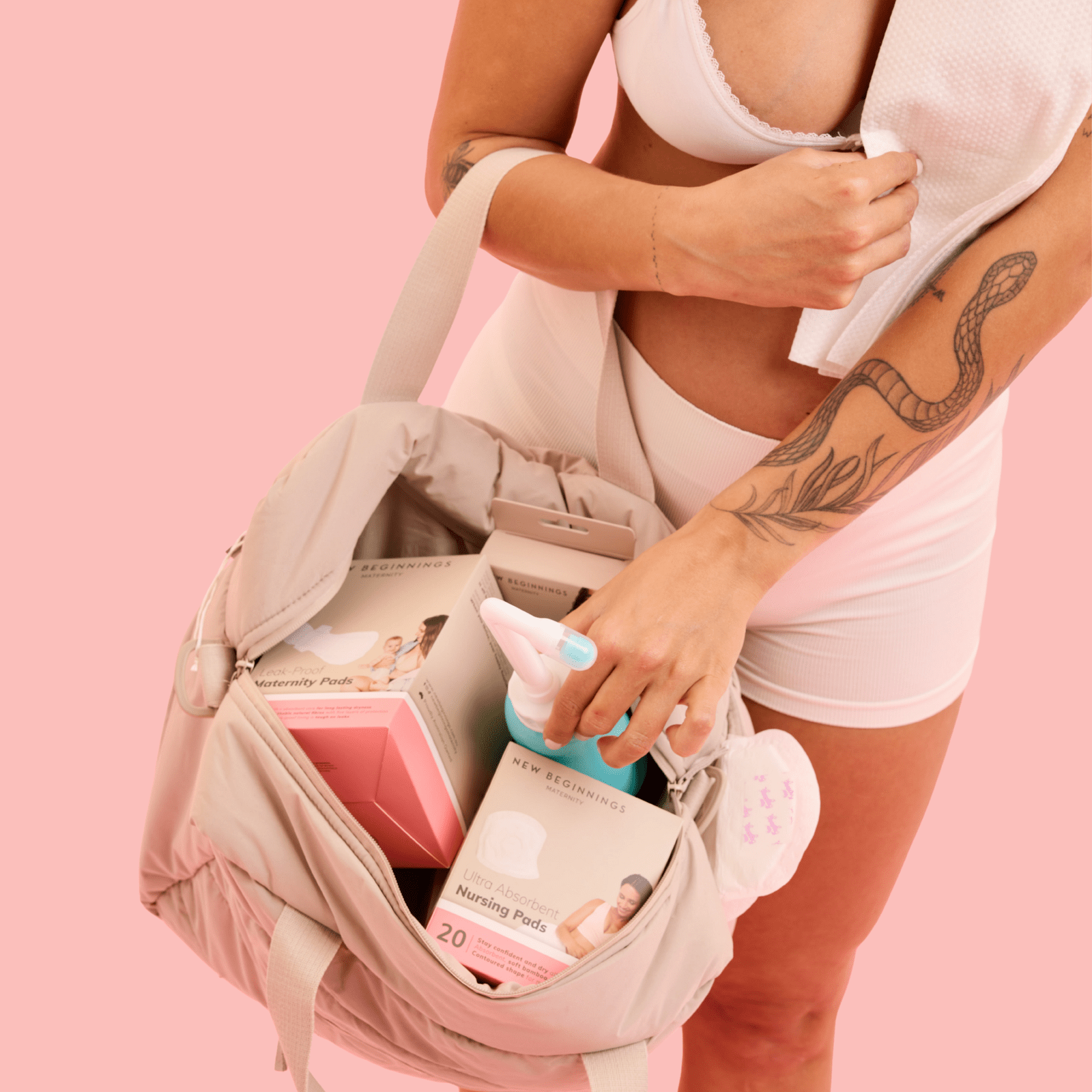
The New Beginnings Maternity Pads are designed specifically for postpartum recovery.
They’re:
- extra long for better coverage
- have double the wings for double the hold (hello!)
- highly absorbent for heavier bleeding
- soft and gentle on sensitive skin
- ideal for those early days after birth
If you’ve had stitches, swelling, or tenderness, having a softer maternity-specific pad makes a huge difference.
Honestly, this is one of those products I’d tell every pregnant mum to pack before going into labour.

How Long Does Postpartum Bleeding Last?
One of the most common questions mums ask is: how long does postpartum bleeding last?
For most women, postpartum bleeding lasts anywhere from two to six weeks, although it is usually heaviest in the first three to four days.
After that, the bleeding typically becomes lighter and changes in colour.
A general timeline often looks like this:
Days 1–4
Bright red and heavy
Days 4–10
Pink, red-brown, or watery
After day 10
Light brown, yellow-white, or creamy discharge

It’s also completely normal for the bleeding to temporarily become heavier again if you’ve been more active, lifted too much, or simply haven’t had enough rest [2].
Sometimes your body really does tell you when it needs you to slow down.
When to Be Concerned About Postpartum Bleeding?
While postpartum bleeding is normal, there are a few signs that mean it’s important to check in with your healthcare provider.
Speak to someone urgently if you notice:
- soaking through one pad in under an hour
- very large blood clots
- bleeding suddenly becoming bright red again after slowing down
- dizziness or weakness
- severe abdominal pain
- fever
- strong unpleasant odour
These can be signs that your body needs medical support.
Always trust your instincts.
If something feels off, it’s always worth checking.
How to Care for Your Downstairs During Postpartum Recovery?
Those first few days after birth can leave everything downstairs feeling tender, swollen, and sore, especially if you’ve had tearing, stitches, or a vaginal birth. During postpartum bleeding, keeping the area clean and comfortable can make a huge difference to how you feel day to day.
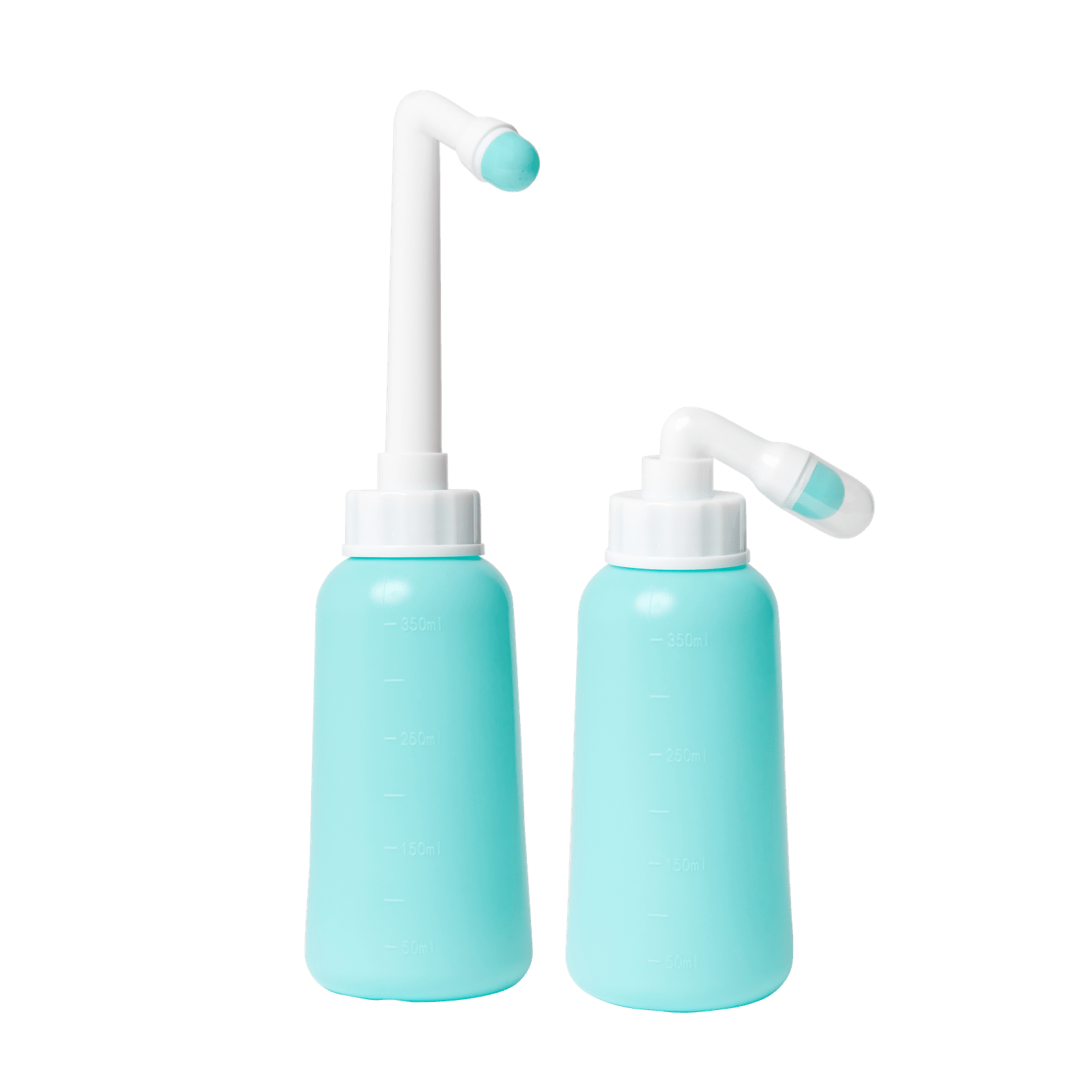
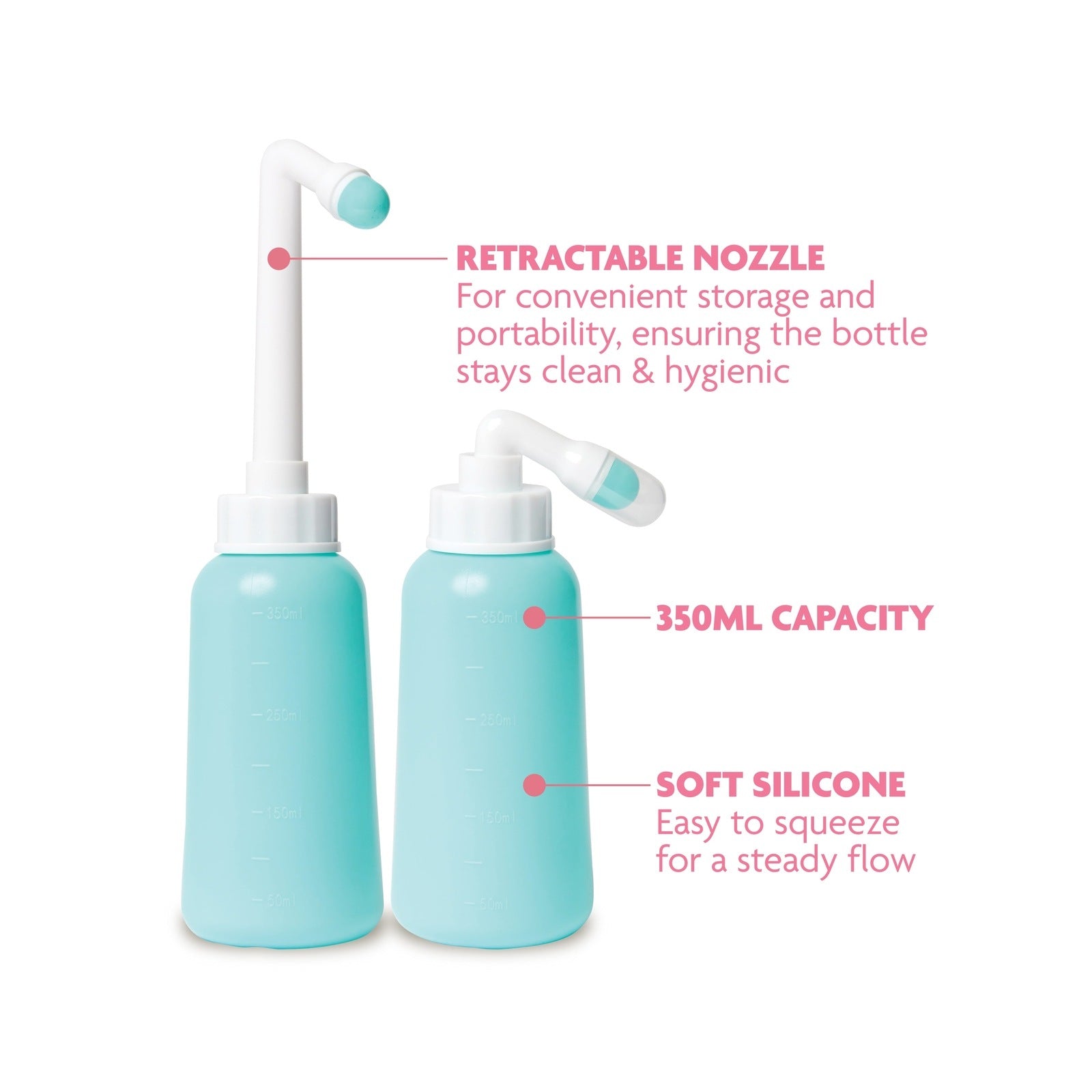
A maternity pad is essential for managing heavier bleeding while also being gentle on sensitive skin. Choose a soft, highly absorbent pad and change it regularly to help keep the area clean and dry. A perineal wash bottle can also be one of the most helpful postpartum essentials. Filling it with warm water and gently rinsing the area after going to the bathroom can help soothe discomfort, support hygiene, and make those first toilet trips feel much less intimidating. Pat the area dry gently rather than wiping, and wear loose, breathable underwear to help everything heal comfortably.
If you're after all the postpartum essentials, be sure to check out our hospital essentials kit.
My Biggest Postpartum Recovery Tip
If I could tell every pregnant mum one thing before birth, it would be this:
Rest more than you think you need to.
The bleeding often becomes heavier when you’ve been on your feet too much.
Those early postpartum weeks are not about getting back to normal quickly. They’re about healing well.
Keep your maternity pads within reach, wear the comfortable underwear, accept help where you can, and give yourself permission to slow down.
Your body has just done something extraordinary.
Postpartum Bleeding FAQs
Is postpartum bleeding normal after a c-section?
Yes. Postpartum bleeding happens after both vaginal births and caesarean births because the uterus still needs to shed tissue and heal [3].
How heavy should postpartum bleeding be?
It is usually heaviest in the first few days after birth and gradually becomes lighter over time.
How long do I need maternity pads for?
Most mums use maternity pads for the first several days to one week, then move to regular pads as the bleeding lightens.
When should I call my doctor?
Seek medical advice if you are soaking a pad in under an hour, passing very large clots, or experiencing fever, severe pain, dizziness, or an unpleasant odour.