It's 2am. Your newborn has been on and off the breast for what feels like hours, and you're staring at the ceiling wondering if this is normal, if something is wrong with your supply, or if your baby is simply the world's slowest eater. You google it. You find conflicting information. You feed some more.
Sound familiar? You are not alone, and you are almost certainly doing nothing wrong.
Newborn feeding is one of those things that nobody can fully prepare you for before your baby arrives. The sheer frequency of it, the unpredictability, the way a session that seemed to end twenty minutes ago somehow leads straight into another one. It can feel relentless, especially in those first few weeks when you and your baby are both still learning.
What we want to do here is give you a clear, honest picture of what normal newborn feeding actually looks like, how long sessions typically run, how often you can expect to feed, and when the pattern starts to settle. Because knowing what's normal makes the 2am scrolling a lot less stressful.
The short version: there is no single correct answer for how long a newborn should feed. But there are some useful guidelines, and knowing them can make a real difference.
How Often Do Newborns Need to Feed?
In the first two to four weeks of life, newborns typically need to feed every one and a half to three hours, which works out to around eight to twelve feeds in a twenty-four hour period [1]. Yes, that includes through the night.
The reason for this is straightforward. Your baby's stomach is tiny in the early days and breast milk is digested quickly, which means they genuinely need refilling often. Feeding on demand, rather than to a fixed schedule, is also one of the key ways your milk supply gets established in these early weeks. Every feed sends a signal to your body to keep producing.
It's important not to let a newborn go longer than four hours between feeds in these early days, even if they seem content to sleep. If you have a particularly sleepy baby, you may need to gently wake them to feed. Signs that a baby needs waking include going more than three to four hours without feeding, producing fewer wet nappies than expected, or seeming unusually lethargic.
The good news is that this pace does ease. By around four weeks, many babies start to show a more recognisable pattern, and by two to four months you may start to see a more natural routine emerging on its own.
How Long Should Each Breastfeeding Session Last?
Here is where things get genuinely variable, and that variability is completely normal.
A newborn breastfeeding session can last anywhere from ten minutes to forty-five minutes, sometimes longer. Some babies are efficient feeders who finish up in fifteen minutes and are clearly satisfied. Others are slower and more leisurely, pausing frequently, drifting off to sleep mid-feed, and then waking up to keep going. Both are normal [2].
As your baby grows and gets better at breastfeeding, sessions typically shorten. By a few months in, many babies can complete a full feed in as little as five to ten minutes per side. But in the newborn period, it is not unusual for a single session to take the better part of an hour, particularly if your baby is sleepy or still learning to latch efficiently.
A few things can affect how long a session runs:
- Milk flow. A fast letdown can mean a shorter session. A slower flow means baby has to work harder and may feed for longer.
- Milk storage capacity. Every mum's body is different. A larger storage capacity means baby can take more in one sitting and may go longer between feeds.
- Baby's temperament. Some babies are businesslike about feeding. Others treat it as an extended social occasion.
-
Sleepiness. Newborns are often drowsy during feeds, which means things take longer. Gently stimulating them, such as by unswaddling, stroking their cheek, or changing sides, can help keep them feeding actively.
If your baby is producing enough wet nappies, gaining weight, and seems settled after feeds, the length of each session is generally not something to worry about.

How Long Should You Feed on Each Side?
There is no fixed rule here either. The general guidance is to feed on one side until your baby naturally slows or stops, then offer the other side. This ensures your baby gets both the foremilk at the start of the feed and the fattier hindmilk that comes later, which is important for satiety and weight gain.
Most babies will feed from both breasts during a session, but some will be satisfied after one side. That is fine too. If your baby finishes on one breast only, start the next feed on the other side to keep things balanced and to avoid engorgement.
Alternating sides across feeds matters more than hitting a specific number of minutes on each one. Some lactation consultants recommend using a hair tie or a note on your phone to remember which side you started on last time.
What Is Cluster Feeding and Is It Normal?
If your baby suddenly seems to want to feed constantly, with barely a gap between sessions, they may be cluster feeding. This is when a baby has many short feeds close together over a period of a few hours, and it is a completely normal and expected part of newborn behaviour [3].
Cluster feeding most commonly happens in the late afternoon and early evening, and it often coincides with growth spurts. It does not mean your supply is low. In fact, the opposite is true: cluster feeding is one of the ways your baby signals your body to produce more milk. It is supply-and-demand working exactly as it should.
It can feel overwhelming, particularly when you have already been feeding all day and your baby wants to be on the breast again an hour later. But knowing it is temporary, and that it is actually doing something useful, can help you push through it.
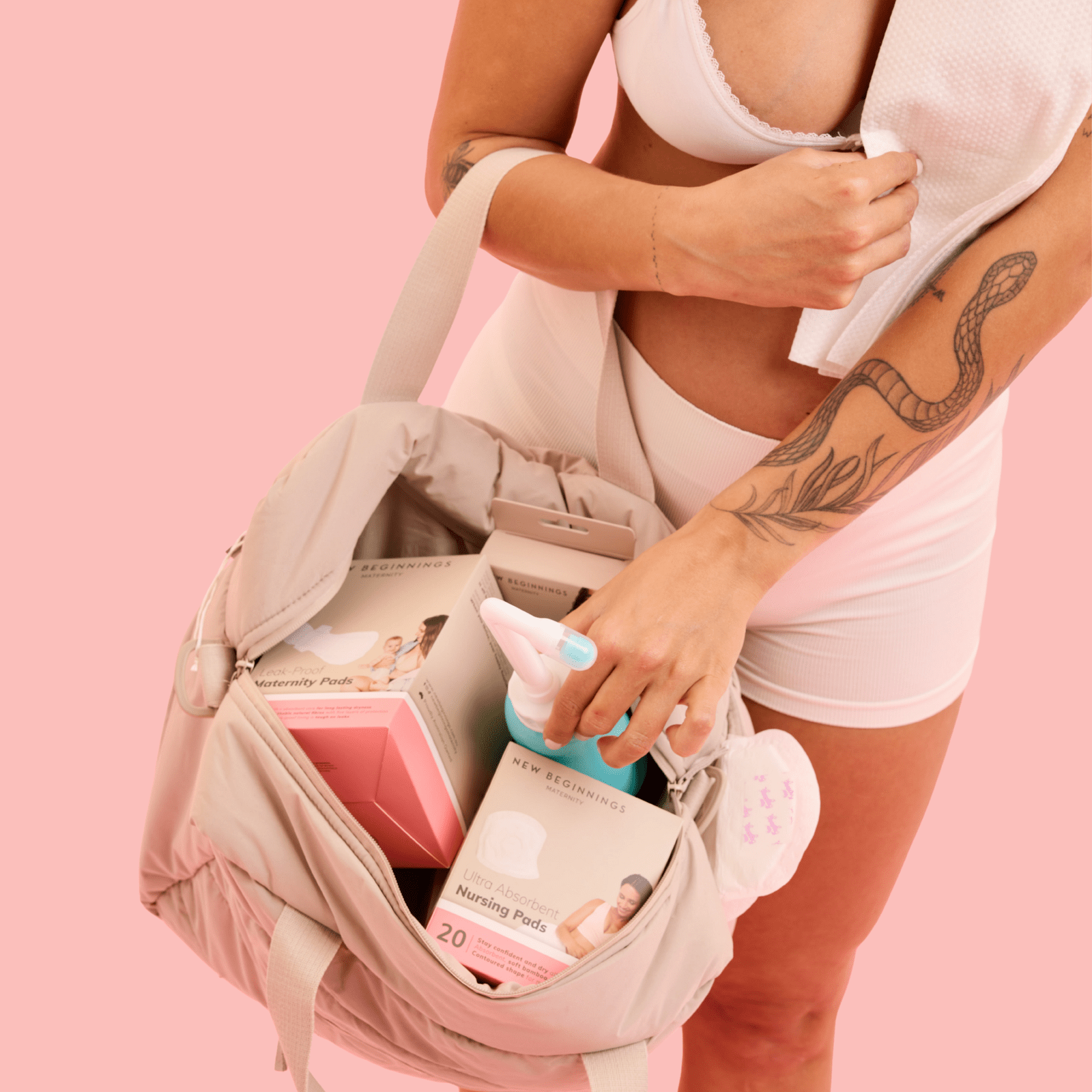
If you are experiencing cluster feeding and looking for ways to stay comfortable, having the right gear on hand makes a real difference. Washable Nursing Pads are worth having close by during frequent feeding periods, when leaking between sessions is common. Made with a super-absorbent bamboo inner layer and a waterproof backing, they keep you dry without creating extra laundry stress. They come with a wash bag included so you can toss them straight in with your regular load.
"Better than any other nursing pad I've used"These reusable nursing pads are a lifesaver! They're super absorbent and the backing is a genius touch. No more leaks ruining my clothes. They're comfortable and easy to clean. I'm so glad I found these!
Gabrielle, Washable Nursing Pads (8pk)

When Is the Best Time to Feed?
Honestly, the best time to feed your newborn is when they show you they are hungry. Rather than watching the clock, watch your baby. Hunger cues in newborns include rooting (turning their head and opening their mouth), sucking on their hands, making small sounds, and stirring from sleep. Crying is actually a late hunger cue, which means your baby has already been trying to tell you for a while. Catching the earlier signals makes latching easier and the feed calmer for both of you.
That said, the early morning is worth noting as a practical pumping window if you are also expressing. Most mums have their highest milk supply in the morning, which gradually decreases across the day. If you are building a freezer supply or supplementing feeds, morning pumping sessions tend to yield the most milk.
If pumping is part of your routine, a Wearable Breast Pump can make those sessions significantly less disruptive. It fits inside your bra, operates quietly, and lets you move around freely while expressing. With LacTech™ technology that mimics the natural rhythmic phases of breastfeeding, including massage, suction, and expression modes, it works with your body rather than against it.
"Gentle, Quiet, and Efficient — Even in a Cinema!"
After a few days of using the LacTech™ Wearable Breast Pump, I'm seriously impressed. Even though it's hospital-grade, it feels much gentler on breast tissue compared to the traditional hospital pump I've used previously. It's also incredibly quiet and discreet. I even managed to pump during a movie at the cinema without anyone noticing!
— mom512695, Wearable Breast Pump