I didn’t start my motherhood journey thinking I’d become passionate about breast pump technology. And yet, here we are. After three babies, countless pumping sessions, and more time tethered to power points than I care to admit, I can confidently say this: a wearable breast pump changed everything for me.
With my first baby, pumping felt like a full-time job layered on top of an already overwhelming new role. I was constantly planning my day around sockets, sitting still for long stretches, and feeling like my entire routine revolved around expressing milk. It worked, technically, but it wasn’t sustainable. I was exhausted, mentally overloaded, and quietly frustrated that something meant to support feeding felt so limiting.
By the time I found wearable pumps, it felt like someone had finally designed pumping equipment for real mums living real lives.
Why Traditional Breast Pumps Can Feel So Limiting
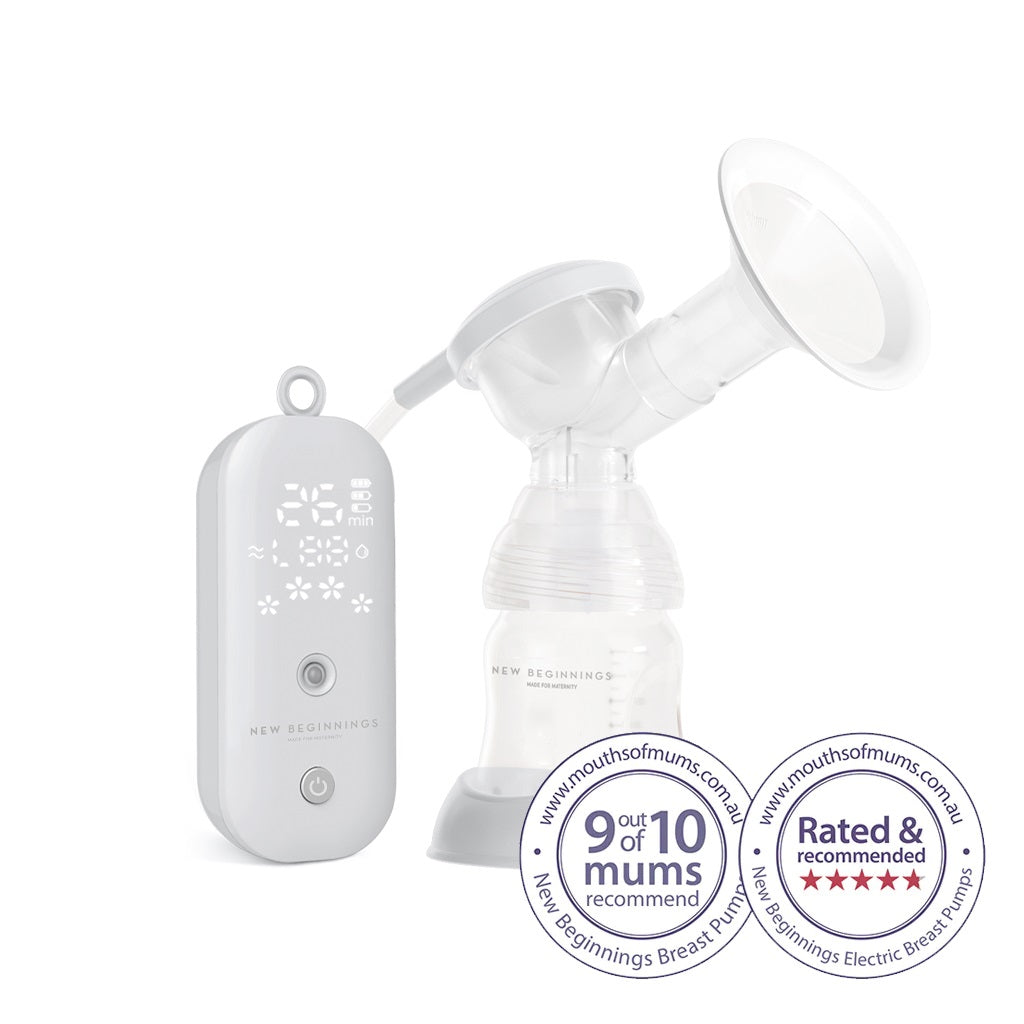
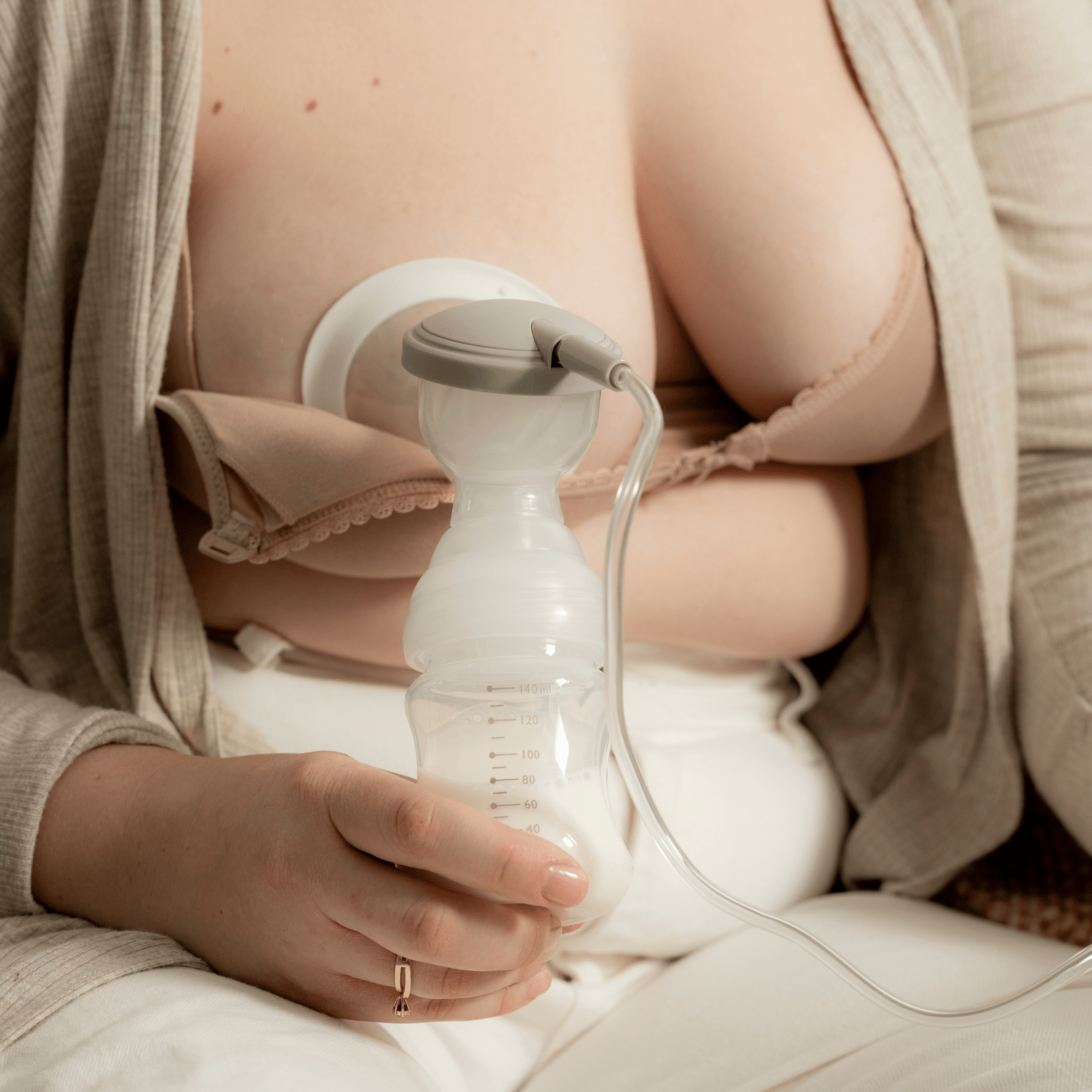
Don’t get me wrong, traditional electric pumps absolutely have their place. They’re powerful, reliable, and for many mums, they’re the first option offered. They do the job and they do it well. But they also come with one very real drawback: they ask you to stop everything else.
You’re seated. You’re plugged in. You’re watching the clock. You start timing feeds, naps, meetings, errands, and even showers around pumping sessions. For a new mum, or a working mum like me, that kind of restriction adds up quickly and can feel overwhelming before you’ve even had your first coffee.
In those early weeks, your mental load is already enormous. You’re healing, feeding, learning your baby’s cues, and adjusting to a completely new version of yourself. Being physically anchored to a pump during that time can make you feel oddly stuck, like the world is moving on while you’re paused, waiting for the session to finish.
It might sound ridiculous, but with everything I had experienced up until this point, the feeling of being restricted whilst pumping was my last straw. The lack of freedom weighed on me until it disappeared. And once it did, there was no going back.

How a Wearable Breast Pump Changed My Entire Routine
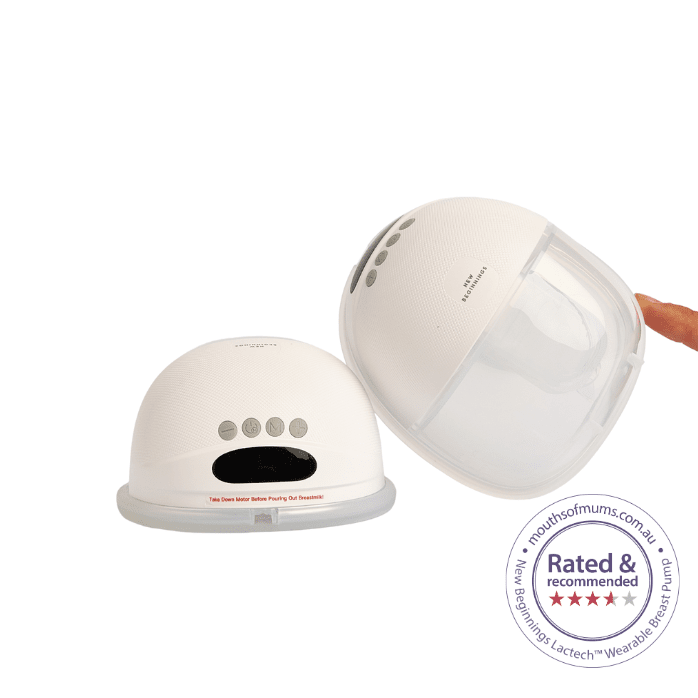
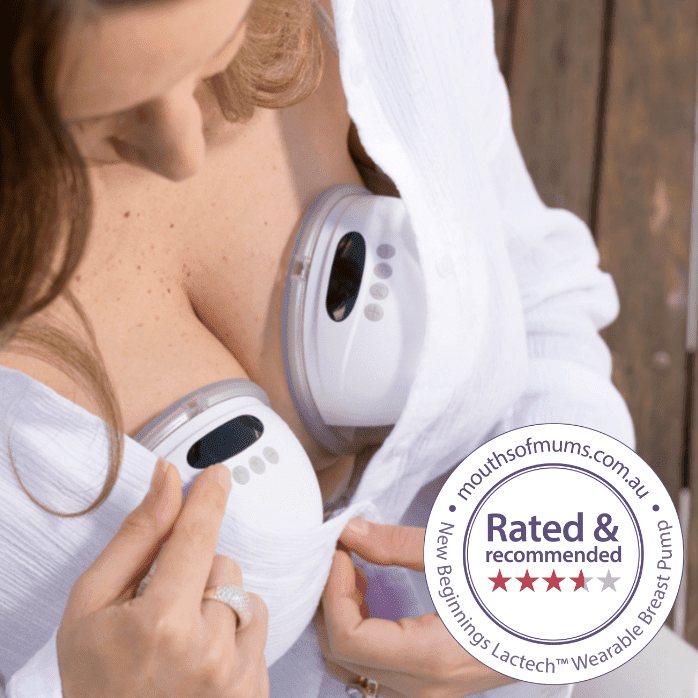
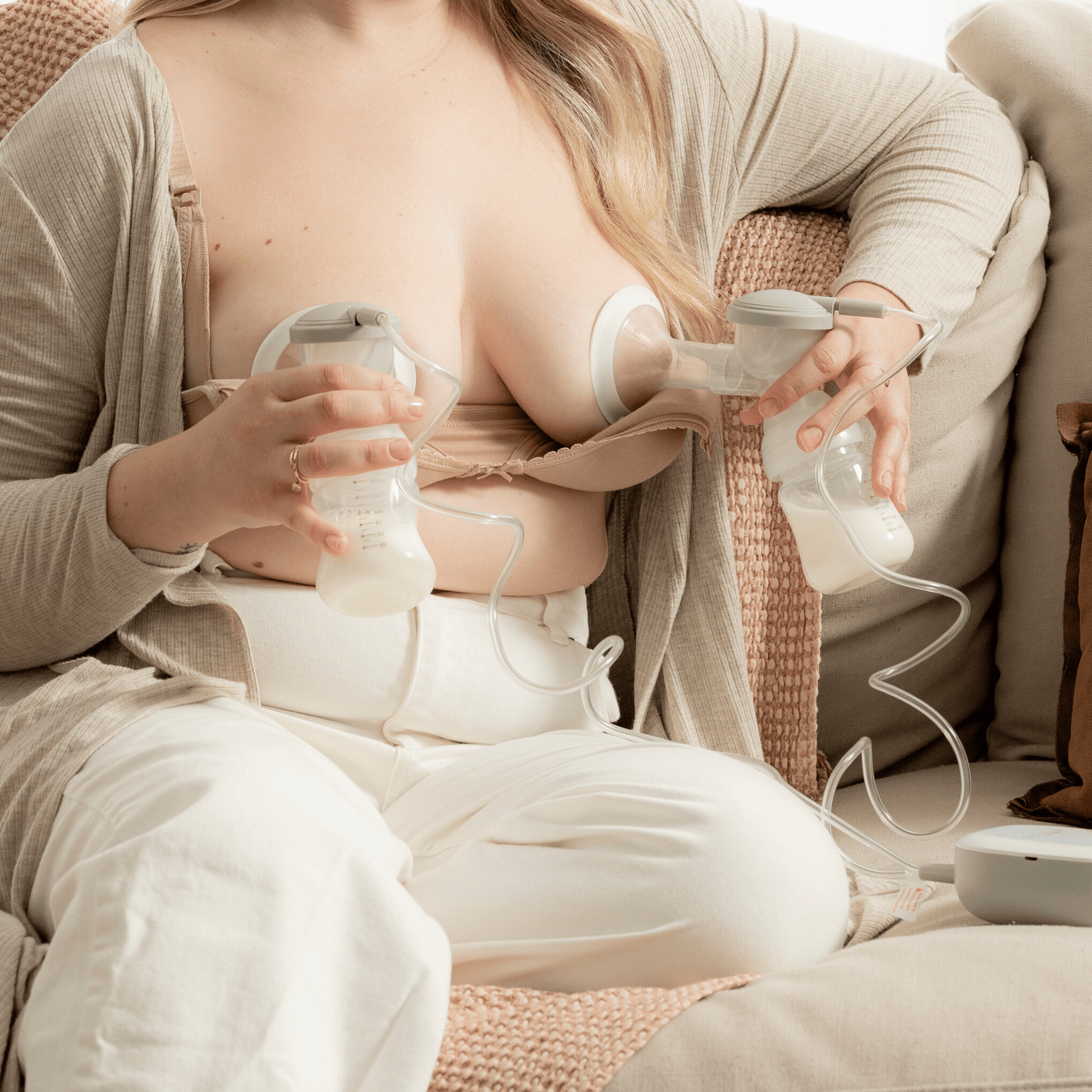
The biggest shift for me when I started using a wearable pump was freedom, real, tangible freedom. I could pump while holding my baby, while answering emails, while eating lunch, or while sitting comfortably on the couch instead of hunched forward in a chair.
Suddenly, pumping didn’t require stopping my life. It fit into it.
That change alone reduced my stress levels significantly. And stress matters more than we often acknowledge when it comes to milk supply. When your body feels calmer and more supported, letdown comes more easily. Pumping sessions feel less rushed, less tense, and far more sustainable long term.
For the first time, pumping felt like something I could maintain, not something I had to endure.
Exposing the Myths... All the Bells and Whistles Don't Matter
One of the biggest myths around pumping is that milk output comes down to the pump alone. Stronger suction, more settings, better specs. In reality, your body plays a much bigger role than the machine ever will. Comfort, correct fit, and consistency matter far more than raw power.
When a pump fits well and feels comfortable, you’re naturally more inclined to use it regularly and for long enough to let your body settle into the rhythm. When pumping doesn’t pinch, pull, or feel awkward, your body is more relaxed — and that makes a real difference. Stress and discomfort can interfere with oxytocin release, which is the hormone responsible for milk letdown, meaning even the “best” pump won’t work at its best if your body feels tense or unsupported.
This is where a well-fitting wearable pump can feel like a quiet shift rather than a dramatic change. It supports natural movement, allows you to sit and breathe normally, and feels less like a medical device and more like part of everyday life. Especially in the postpartum period, when your body is still healing and finding its new normal, that sense of ease matters more than we’re often told.

The Technology That Actually Makes a Difference
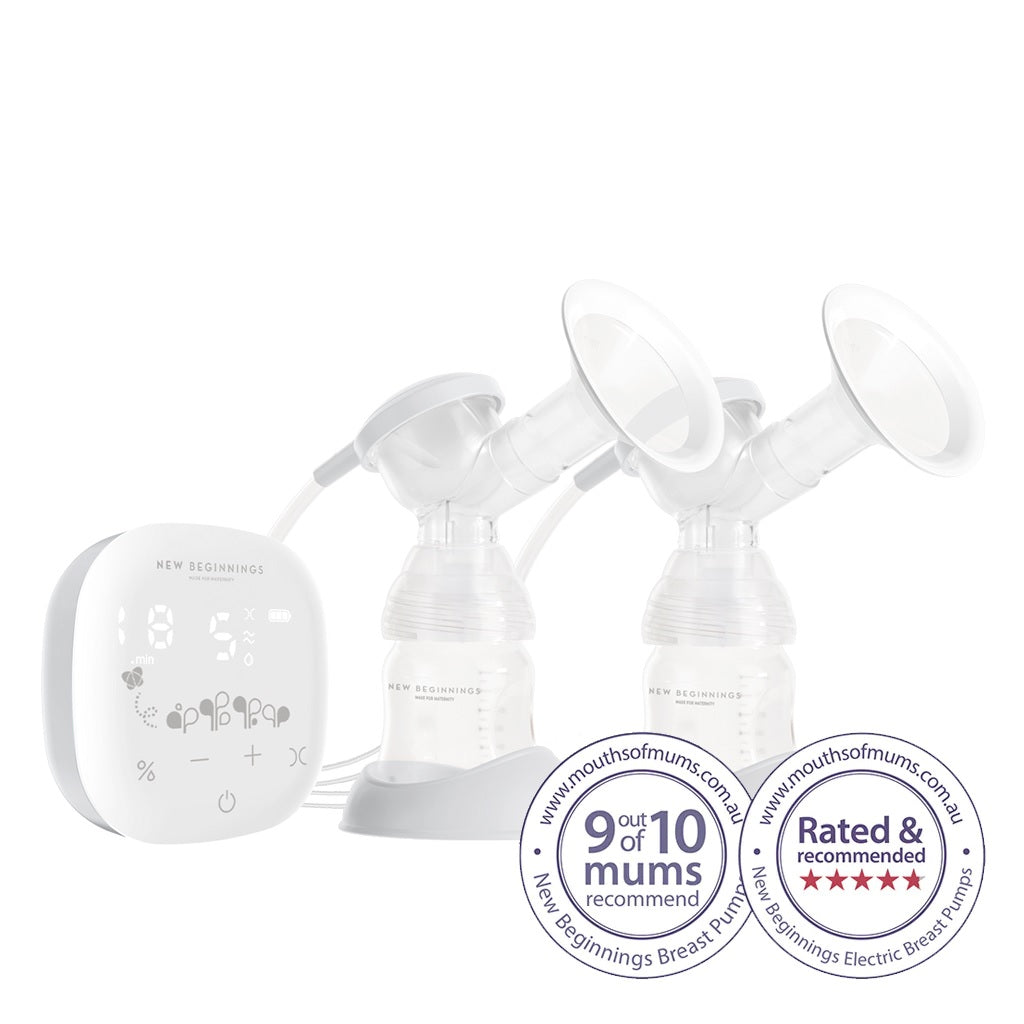
Wearable breast pumps aren’t just smaller versions of traditional pumps. The technology behind them has evolved significantly, and when it’s done well, it can genuinely improve both comfort and milk expression. After years of pumping across different stages of motherhood, these are the features that actually matter in real life.
Natural stimulation and expression modes
Modern wearable pumps use intelligent suction patterns designed to mimic a baby’s natural feeding rhythm. This typically includes an initial stimulation phase to encourage letdown, followed by an expression phase that supports steady, effective milk removal. When pumping feels more natural, your body responds more easily.
Adjustable suction levels
Every body is different, and one suction setting does not fit all. The ability to adjust suction strength allows you to find what feels comfortable and effective, rather than pushing through discomfort. Comfort isn’t just a nice-to-have here, it directly affects how long and how often you’re able to pump.
Quiet, discreet operation
Noise matters more than you realise until you’re trying to pump around other people, during a meeting, or while your baby sleeps. A quiet motor makes pumping feel less clinical and far more discreet, helping it blend into daily life rather than disrupt it.
Hands-free, wearable design
The hands-free design is what truly changes the experience. Being able to move, sit naturally, hold your baby, or simply relax while pumping removes the feeling of being trapped. It turns pumping from a scheduled event into something that can fit around the rest of your day.
Designed for real-life routines
Good wearable pumps are built to support consistency. They’re easy to use, quick to assemble, and simple to clean. When pumping doesn’t feel like a chore, it becomes far more sustainable over time and that consistency is key to maintaining supply.
Wearable Pumps and Returning to Work
Going back to work while breastfeeding was one of the parts of motherhood I felt quietly anxious about. I remember staring at my calendar before my first week back, trying to work out where pumping was meant to fit between meetings, deadlines, school drop-offs, and the general chaos of normal life. On paper, I had “pumping breaks.” In reality, I had back-to-back calls and a mild sense of panic.
Before I switched to a wearable pump, pumping while working felt like an event - it was disruptive, time-consuming, and mentally exhausting... and that was on a good day.
The first time I used a wearable pump at work, I honestly felt like I was getting away with something. I pumped during a video meeting. I answered emails. I didn’t disappear from my desk or spend half my day watching the clock. I just… carried on. And for the first time since returning to work, feeding my baby didn’t feel like it was competing with my job.
That flexibility changed everything. It removed the constant pressure to choose between being “good at work” or “good at feeding.” Instead, pumping became something that fitted into my day rather than derailing it. For me, that’s what made continuing to express not only possible, but sustainable.
If you’re heading back to work and wondering how on earth pumping is meant to work alongside everything else, you’re not overthinking it. The right setup can make a genuinely life-changing difference.

If pumping feels hard, it’s not because you’re doing something wrong. Feeding is complex, physical, emotional, and deeply personal. The right tools don’t magically remove every challenge, but they can remove unnecessary barriers.
A wearable pump doesn’t just change how you pump. It changes how pumping feels. And that shift can be the difference between pushing through and giving up entirely.
Wearable Breast Pump FAQs
Is a wearable breast pump as effective as a traditional pump?
Yes, for many mumas it is. Research shows that milk output is influenced more by comfort, consistency, and correct fit than by pump style alone. When a pump feels comfortable and easy to use, mums are more likely to pump regularly and effectively.
Can a wearable breast pump be used as a primary pump?
Absolutely. Many mums use wearable pumps as their main pump, especially when flexibility and mobility are priorities. Some choose to combine wearable and traditional pumps, while others rely solely on wearable options.
Are wearable pumps suitable for exclusive pumping?
Yes, wearable pumps can support exclusive pumping when used consistently and with proper fit. Choosing the right flange size and suction settings is key.
Are wearable breast pumps good for returning to work?
They’re ideal. Wearable pumps allow discreet, hands-free pumping that fits more easily into a workday without disrupting meetings or schedules.