Before I had my first baby, I knew labour came in “stages”. What I didn’t know was what that actually meant in real life. No one explained how long some stages can drag on, how strange your body might feel, or how emotional the whole thing can become. I had read the books, listened to the podcasts, packed the hospital bag and still found myself thinking, “Is this normal?” more times than I can count.
After going through labour more than once, I’ve learned this: knowing the stages doesn’t make birth predictable, but it does make it less scary. So here’s a calm, honest walkthrough of each stage of labour - the way it really feels, not the movie version.
Early Labour: The Slow Build You Might Second-Guess
Early labour is sneaky. It doesn’t usually announce itself with drama. For many mums, it starts quietly, a dull backache, mild cramping that comes and goes, or just a feeling that something isn’t quite right. With my first, I kept telling myself I was being dramatic. “Surely this isn’t labour yet,” I thought, because it felt far too… underwhelming.
This stage can last hours, or even days, especially for first-time mums. Contractions may be irregular and manageable, which is why many women stay home during early labour. You might still be chatting, resting, bouncing on a ball, or trying to sleep between surges. It’s less about doing and more about letting your body warm up.
Waters breaking? That big movie moment doesn’t usually happen here. For most women, waters don’t break until much later, sometimes not until you’re pushing. Early labour is often quiet, confusing, and full of doubt. And yes, all of that is normal.

Active Labour: When Things Get Real (and Weird)
Active labour is when contractions settle into a pattern and intensity ramps up. This is the stage where you stop questioning whether you’re in labour and start thinking, “Okay, this is definitely happening.”
Active labour is the part where your body starts doing things you definetly did not sign up for. Shaking, sweating, suddenly feeling freezing, waves of nausea, even vomiting between contractions. I remember lying there thinking, "has my body actually lost the plot?" It felt chaotic, intense, and honestly, more than a bit alarming the first time.
But every single time, the midwives were completely unfazed. Calm as anything. “Yep, totally normal.” What’s actually happening is a big hormone and adrenaline surge, helping your body cope with the work it’s doing. It might look dramatic from the outside, and it definitely feels dramatic on the inside, but it’s not your body failing - it’s your body stepping up.
There’s research behind this too. Studies published in the American Journal of Obstetrics and Gynecology show that things like shivering and nausea are really common during active labour, driven by hormonal shifts and adrenaline¹. Knowing that didn’t make it feel pleasant, but it did stop me from panicking.[1]
This is usually the point where talking becomes effort and you turn inward without even trying. Less chatting. More breathing. Letting each contraction roll through you instead of fighting it.
It’s intense, yes, but it’s not random. Your body knows exactly what it’s doing, even when it feels completely unhinged.

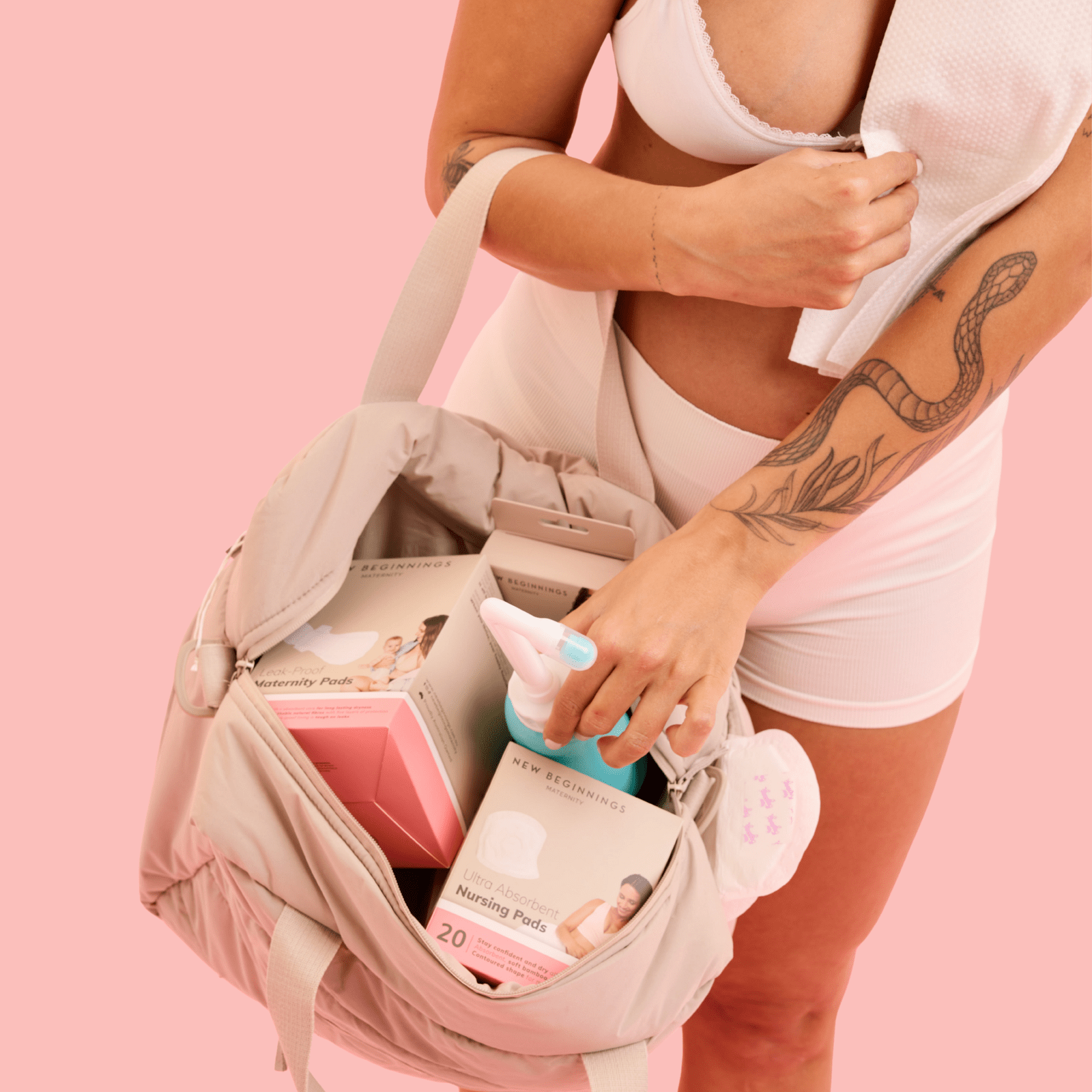
Shop Hospital Bag Essentials.
Transition: The Stage Nobody Warns You About Properly
Transition is the stage that catches most mums off guard. It’s intense, overwhelming, and often emotionally chaotic. This is the moment when many women say, “I can’t do this anymore.” I remember saying exactly that - tears, frustration, full meltdown and my midwife calmly responded, “That means you’re close.”
Transition is your body preparing to push. It’s usually the shortest stage, but it can feel endless when you’re in it. Emotions swing wildly. One minute you’re crying, the next you’re laughing, then snapping at your partner for breathing too loudly. Hormones, exhaustion, and intensity collide here.
The best thing you can do for transition is prepare emotionally. Know that hitting a wall is often a sign you’re nearly there. Have support people around you who can stay calm, remind you to breathe, and hold space when you feel like you’ve got nothing left.
Pushing: Not Quite What You Expect
Let’s be honest, pushing rarely feels the way it looks on TV. For me, it wasn’t so much about pain as it was about pressure, an overwhelming, can’t-ignore-it urge that honestly felt exactly like needing to do the biggest poo of my life. And yes, sometimes you do poo. Sometimes you vomit. Sometimes both happen at once. It’s not glamorous, but it is very, very normal.
What surprised me most was how quickly I stopped caring. In the moment, your body completely takes over. Modesty disappears. Dignity is optional. Midwives have seen it all before, they clean things up so fast you barely even register it happening. No one flinches, no one makes it a “thing”, and suddenly you realise it really doesn’t matter.
This stage felt strangely powerful for me. Focused. Almost grounding. Instinct kicks in, and instead of fighting what your body is doing, you work with it. One push at a time, your body does exactly what it was designed to do, even if it looks nothing like the movies.
The Placenta: Not Quite Finished Yet
Once bub arrives, there’s often a sense of relief, followed by the realisation that you’re not quite done. Yep, the placenta still needs to be delivered, and while it’s usually much gentler than the birth itself, it can come with its own surprises.
With my first, my placenta was stubborn and took longer than expected. There was pressure, waiting, and a lot of deep breathing. Shaking is common again here, as your hormones shift and your body starts to come down from the intensity of birth.
This stage is quieter, but still important. Let your support people help you. Sit, breathe, and allow your body to finish what it started.
 The First Walk and Shower: A Vulnerable Reset
That first walk to the bathroom after birth is one of the most vulnerable moments of labour nobody talks about. You’re shaky, sore, covered in fluids, wearing maternity pads and postpartum undies, and trying to stay upright while your body catches up.
And then there’s the first shower. Warm water, washing away sweat, blood, and exhaustion. I remember standing there thinking, “My body feels wrecked and also incredibly powerful.” It’s a physical and emotional reset all at once.
The Emotional Aftermath
Holding your baby for the first time is impossible to describe properly. Relief, love, shock, exhaustion, disbelief, it all hits at once. Labour isn’t just a physical event. It’s emotional, messy, raw, and transformative.
Knowing what each stage involves doesn’t make it easy, but it can remove some of the fear. When you understand that strange sensations, intense emotions, and unexpected reactions are part of the process, you’re better equipped to breathe through them instead of panicking.
Labour is a journey, not just to meet your baby, but to meet yourself in a completely new way.
You’ve got this, mumma.

FAQs: Stages of Labour
How do I know if I’m really in labour?
Early labour can feel like period cramps, backache, or restlessness. Contractions may be irregular, and waters often don’t break until later.
Is it normal to shake or vomit during labour?
Yes. Hormones and adrenaline can cause shaking, sweating, nausea, or vomiting, especially in active labour and transition¹.
What does pushing actually feel like?
For many mums, it feels like intense pressure and the urge to poo. This is normal, and midwives expect it.
When does transition happen?
Transition happens just before pushing and is often the most intense stage. Feeling overwhelmed is common and usually means you’re close.
What happens after the baby is born?
You’ll deliver the placenta, may experience shaking again, and begin immediate postpartum recovery.
What if my water breaks before contractions start?
This is called PROM and happens in around 8–10% of pregnancies. Contractions usually begin within 12–24 hours.[2]
Do I need postpartum products straight away?
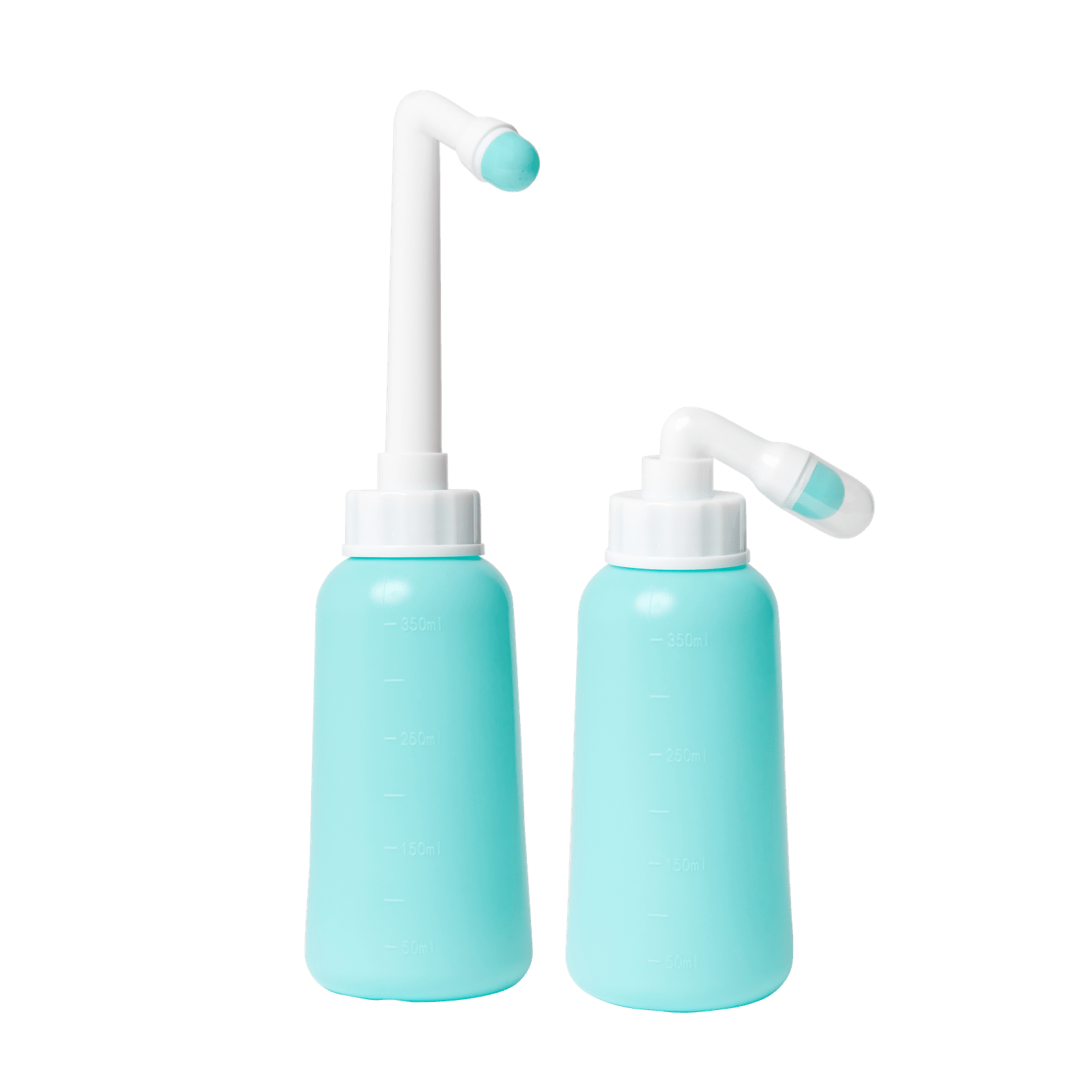
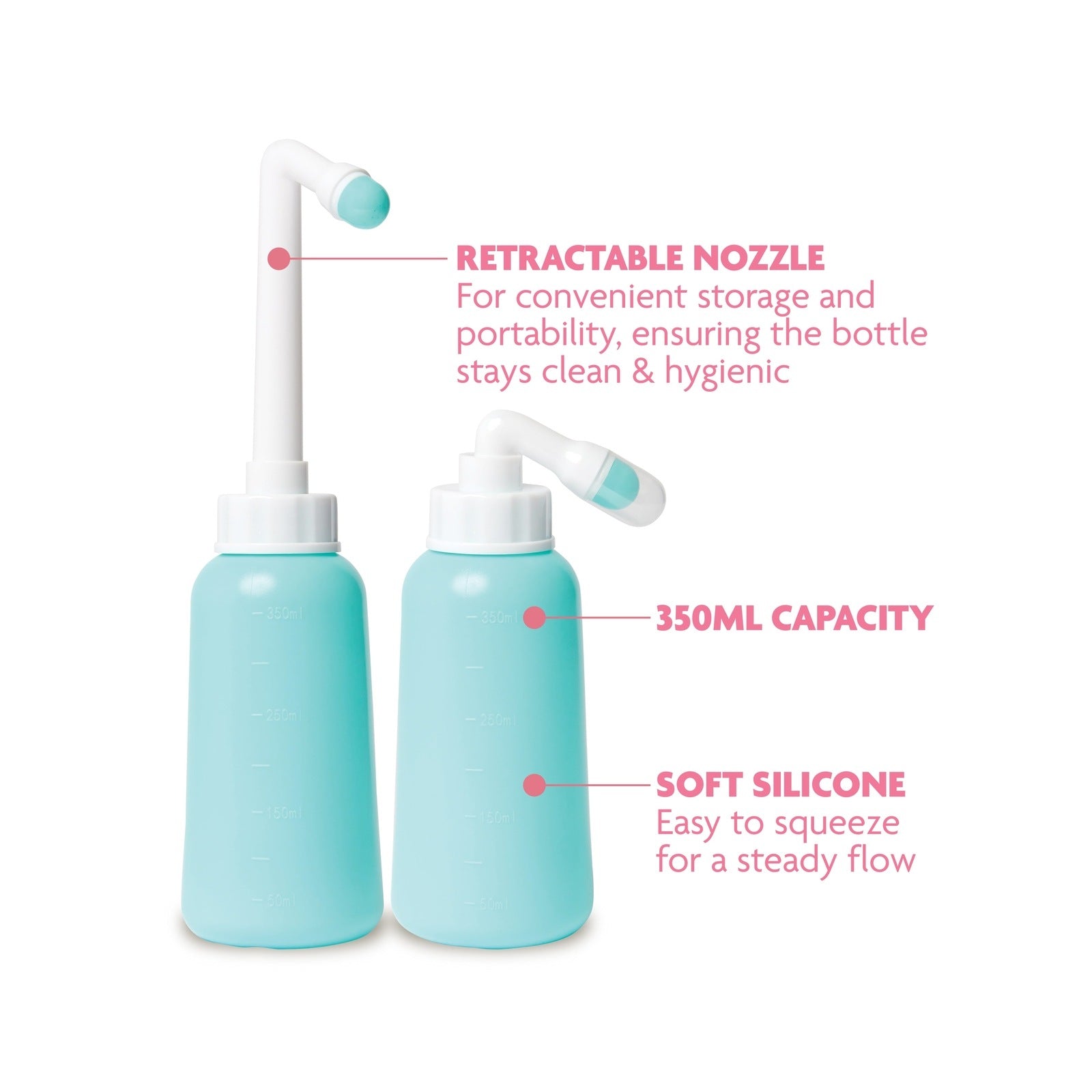
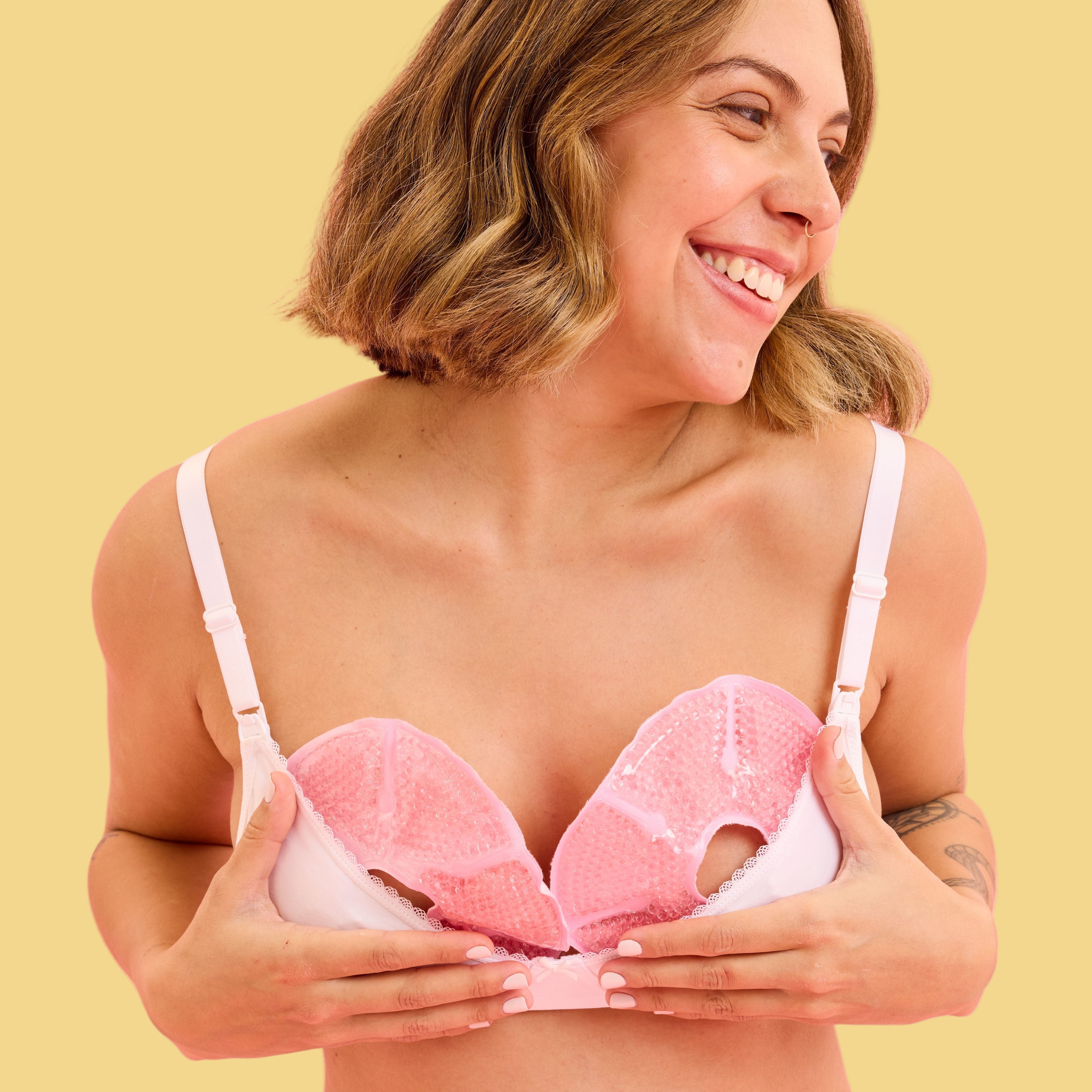
Yes. Recovery starts immediately. Maternity pads, postpartum hot and cold packs, and peri wash bottles can make those first hours far more comfortable.