It's on almost every baby checklist. It's in almost every hospital bag guide. And yet plenty of mums arrive home with a newborn and realise they have absolutely no idea whether they actually need one, how to use it, or which of the seventeen options on the market is right for them.
So let's answer the actual question first, then get into the types.
Do you need a breast pump? Maybe. It depends entirely on how you plan to feed your baby and what your daily life looks like. What we can tell you is that for a significant number of breastfeeding mums, having a pump on hand makes a real and practical difference, and knowing which type suits your situation before you buy saves a lot of frustration later.
Why Do Mums Use a Breast Pump?
There are more reasons to use a breast pump than most people realise before they have a baby. You might use one to [1]:
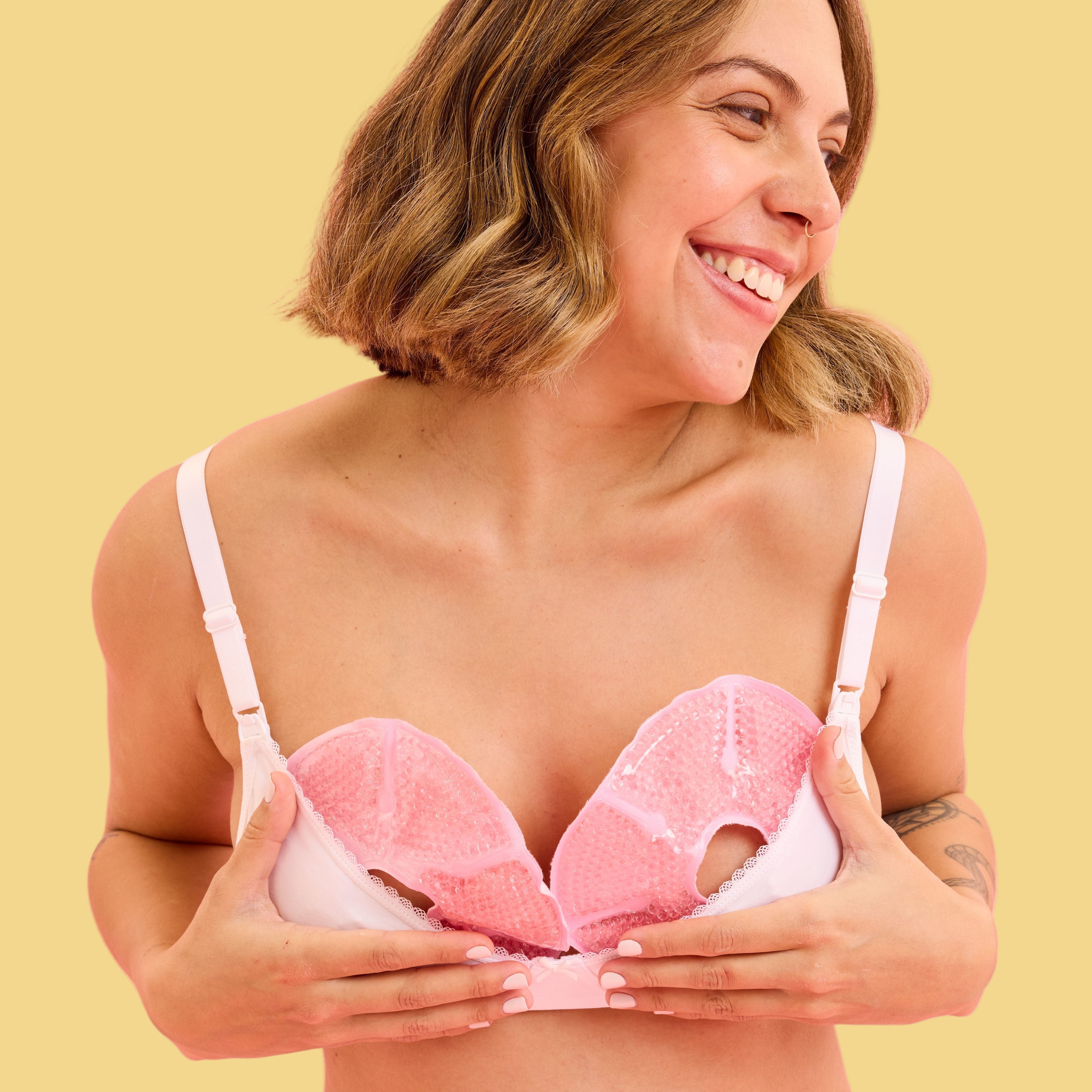
- Relieve engorgement when your milk comes in and your breasts become uncomfortably full
- Build a freezer supply so your partner or someone else can feed your baby while you sleep, rest, or return to work
- Maintain or increase your milk supply, since milk production works on a supply-and-demand basis and regular expressing helps signal your body to keep producing [2]
- Continue providing breast milk if your baby is having trouble latching, is premature, or is unwell and unable to feed directly at the breast
- Have flexibility, so feeding isn't entirely dependent on you being present at every single feed
If none of those apply to your situation, you may genuinely not need one. Some exclusively breastfeeding mums who are always with their baby and have no supply concerns never pick up a pump. But for most mums, at least one of those reasons will be relevant at some point in the first twelve months.
What Are the Different Types of Breast Pumps?
There are three main types and they suit very different situations.

Manual Breast Pumps: Simple, Quiet, and Portable
Manual pumps are hand-operated, affordable, and require no power source. You control the suction yourself by squeezing a lever or handle. They are quiet, lightweight, and easy to take anywhere.
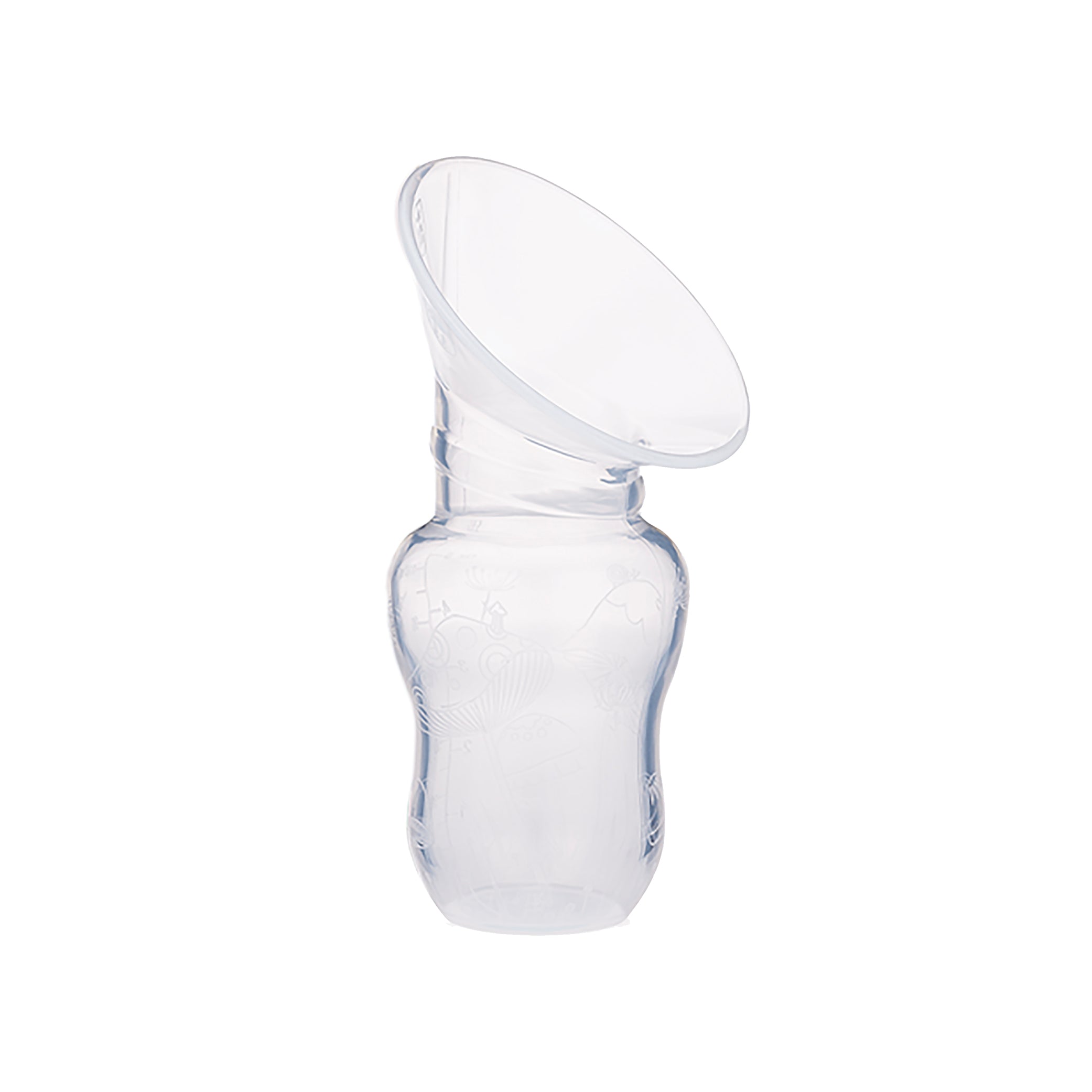
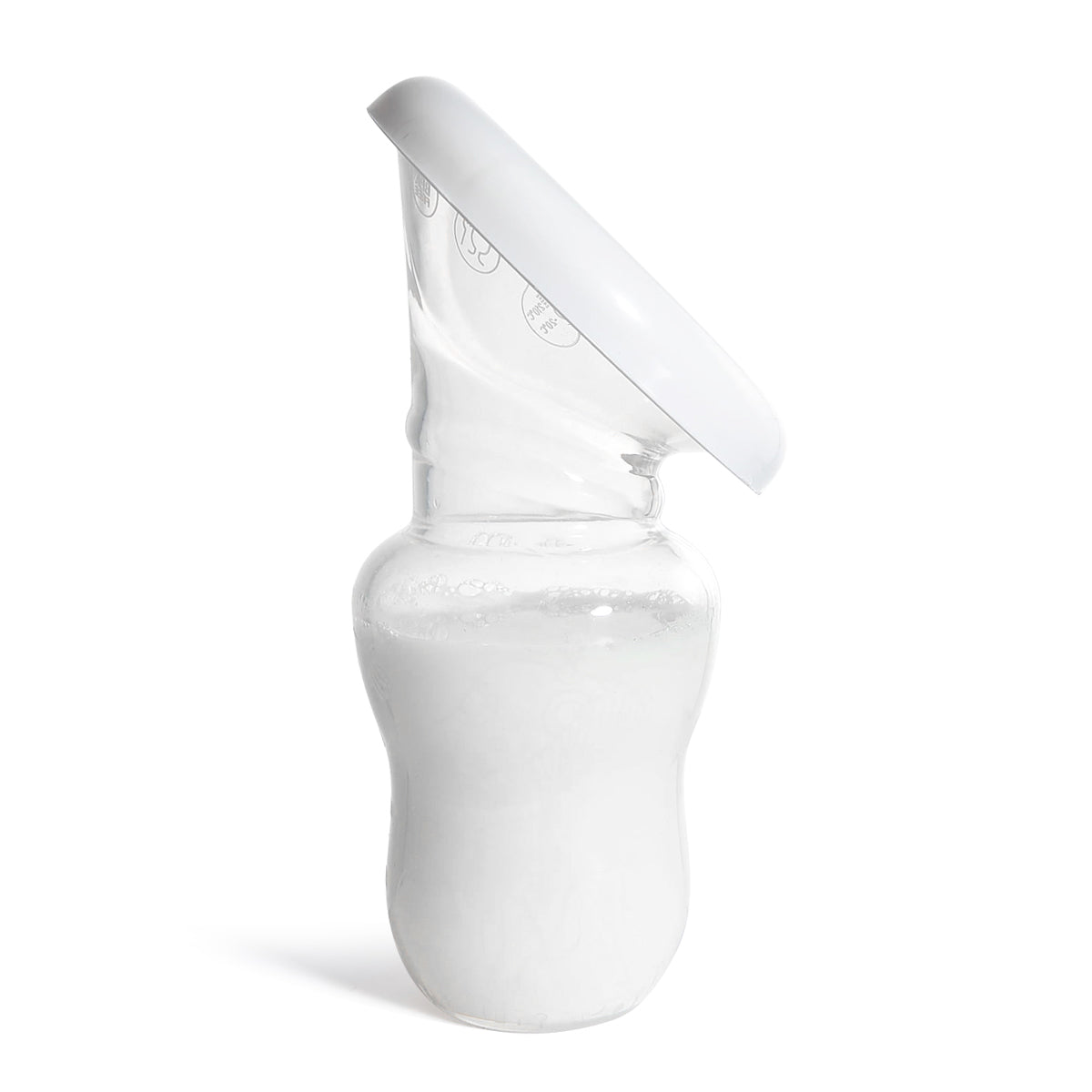
They are well suited to mums who only need to express occasionally, want a simple backup option, or are primarily breastfeeding and just need something on hand for the odd missed feed or engorgement relief. The Silicone Manual Breast Pump is made from 100% food-grade silicone, is soft and silent, and can also be used as a passive milk catcher on the opposite breast while feeding [3].
The main limitation is that manual pumping takes more physical effort and time than electric options. If you plan to express regularly or for extended periods, an electric pump will serve you better.
Electric Breast Pumps: Efficient for Regular Use
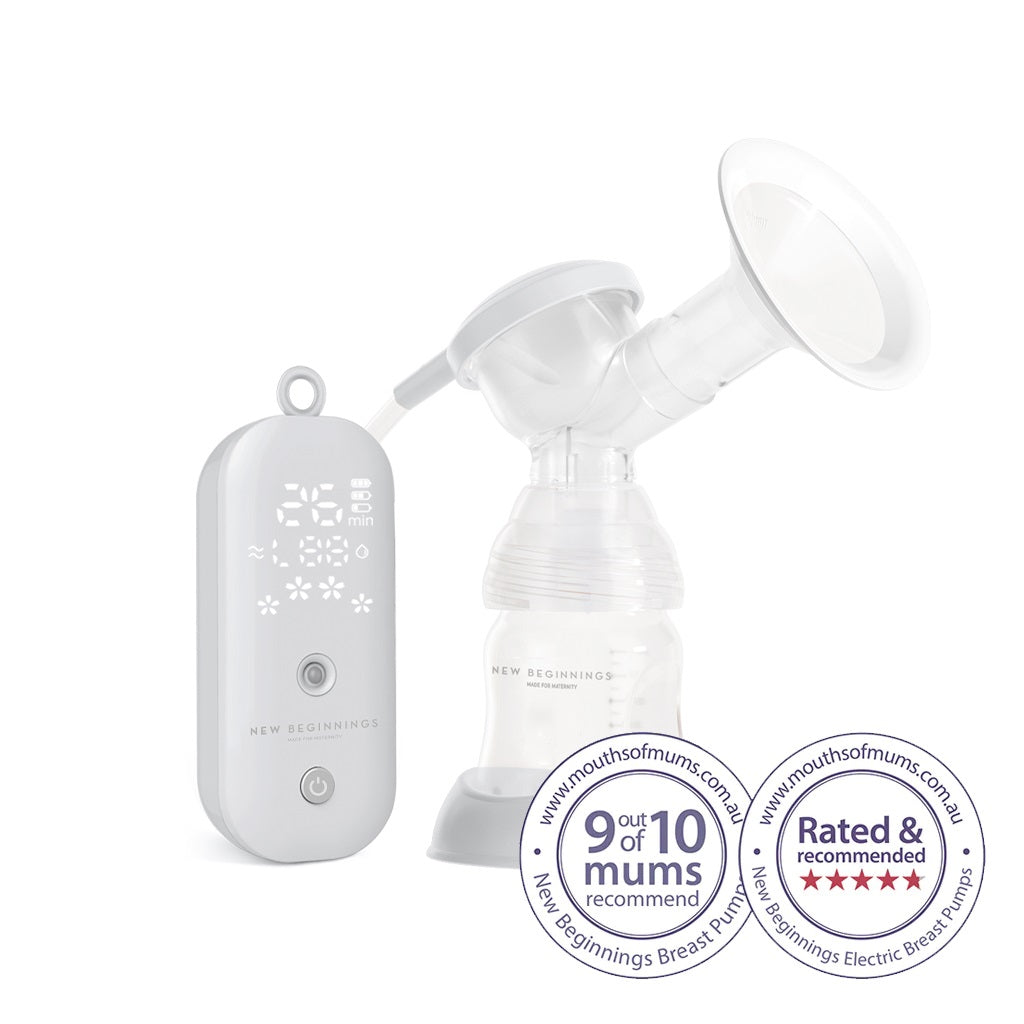
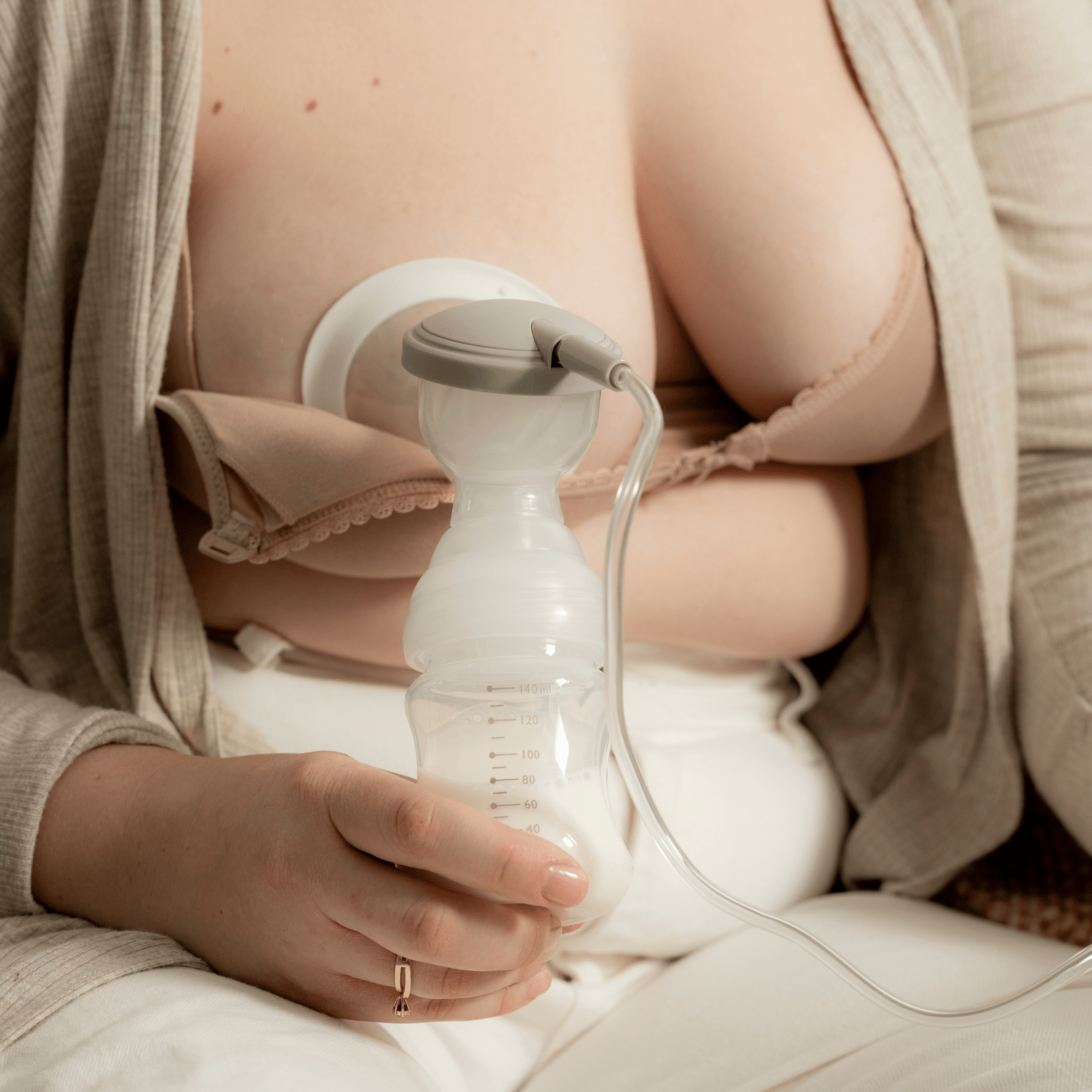
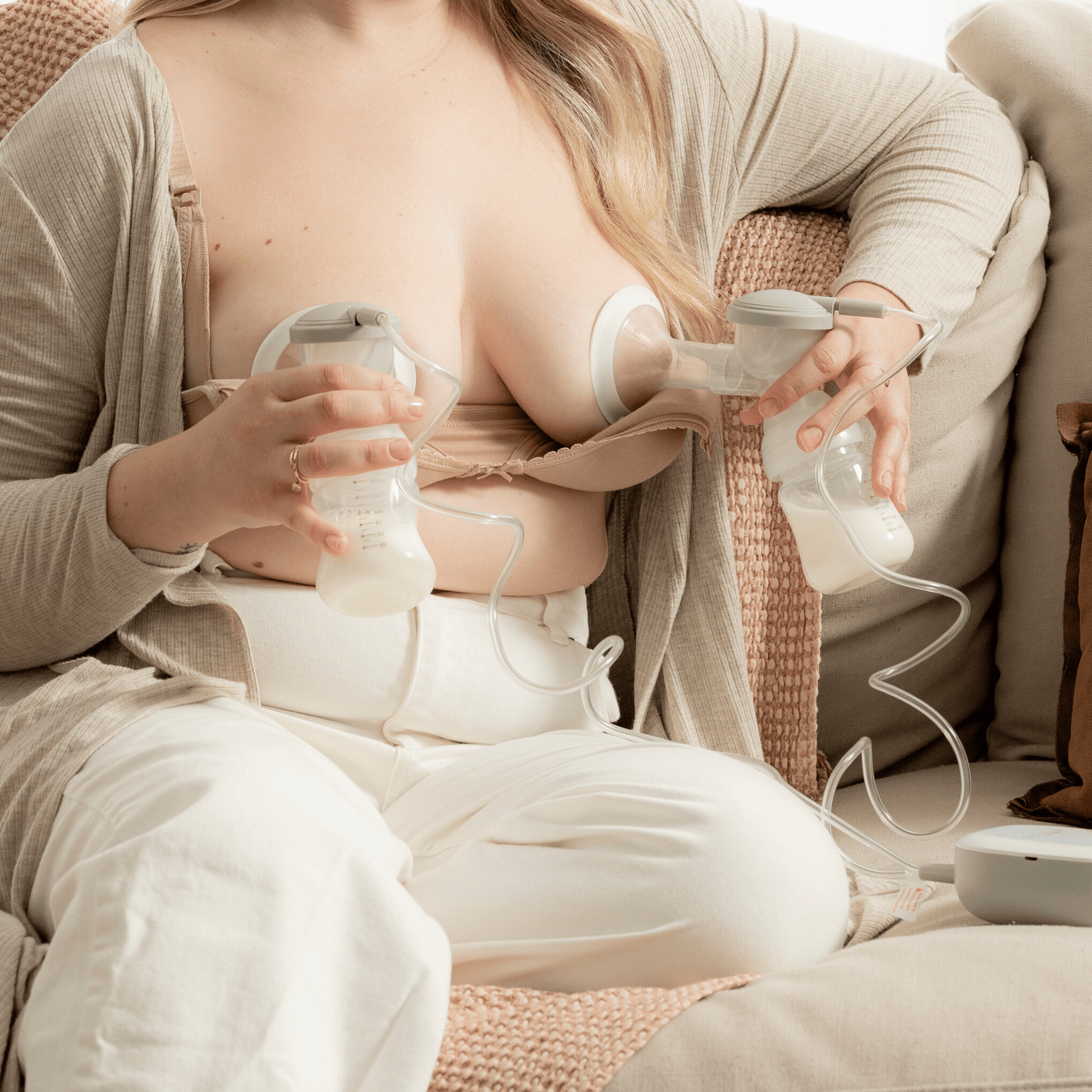
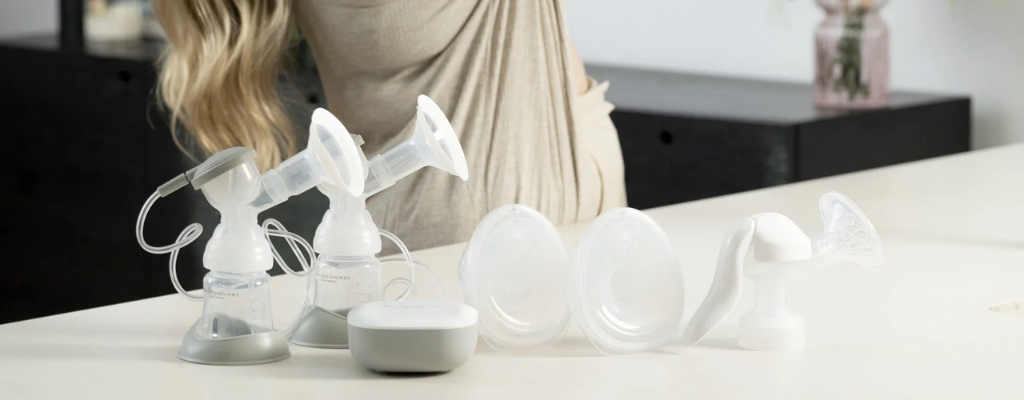
Electric pumps use a motor to create suction and are significantly more efficient than manual options. They come as single pumps (one breast at a time) or double pumps (both breasts simultaneously).
A single electric pump works well for mums who express occasionally at home and want something more powerful than manual but don't need to maximise speed. The Single Electric Breast Pump is a practical choice for this kind of moderate use.
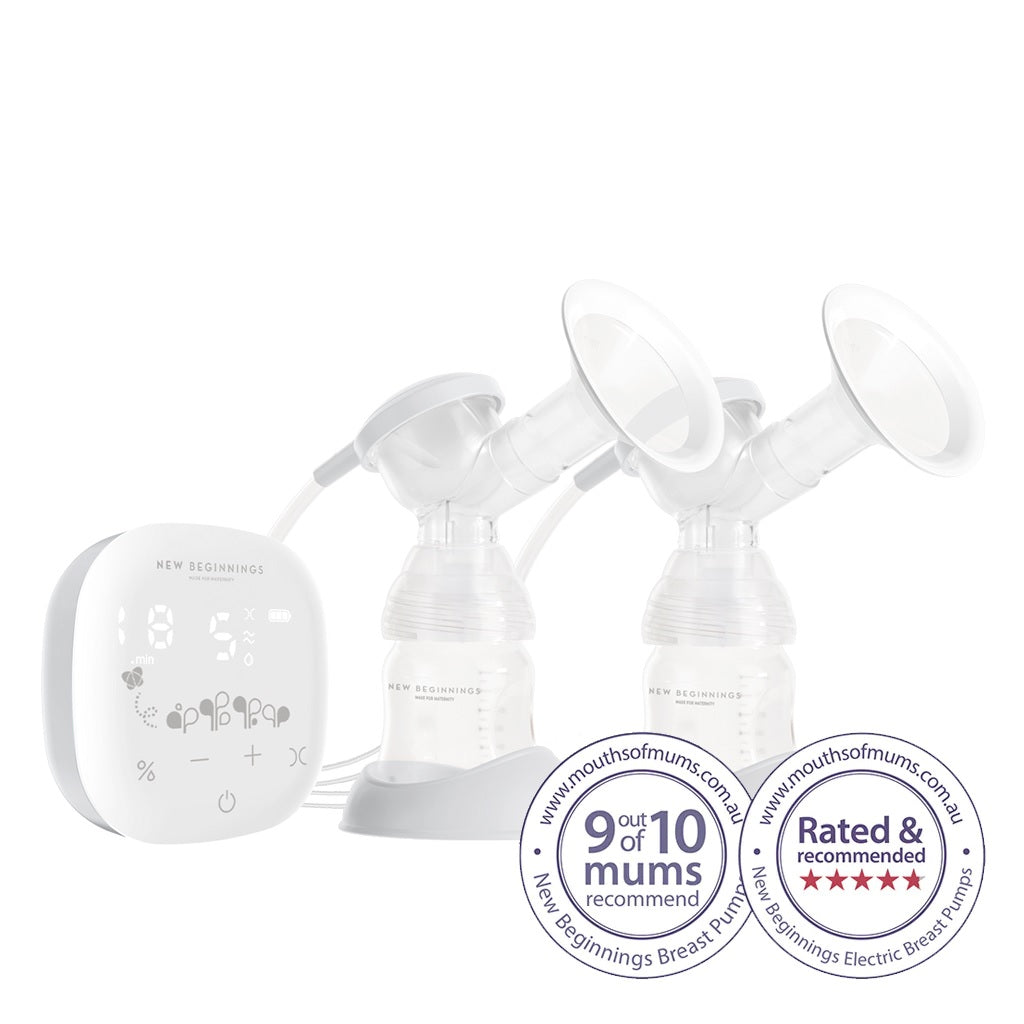
If you are pumping frequently, returning to work, exclusively pumping, or want to cut your expressing time in half, a double pump is the more efficient option. The Double Electric Breast Pump expresses from both breasts at once, which not only saves time but can also produce a better let-down response.
"What a lifesaver!"
This has been a lifesaver with my first baby! I was initially having some issues expressing from my left breast but now with the double breast pump my expressing has never been better.
— Gladis T., Double Electric Breast Pump
Wearable Breast Pumps: The Most Flexible Option
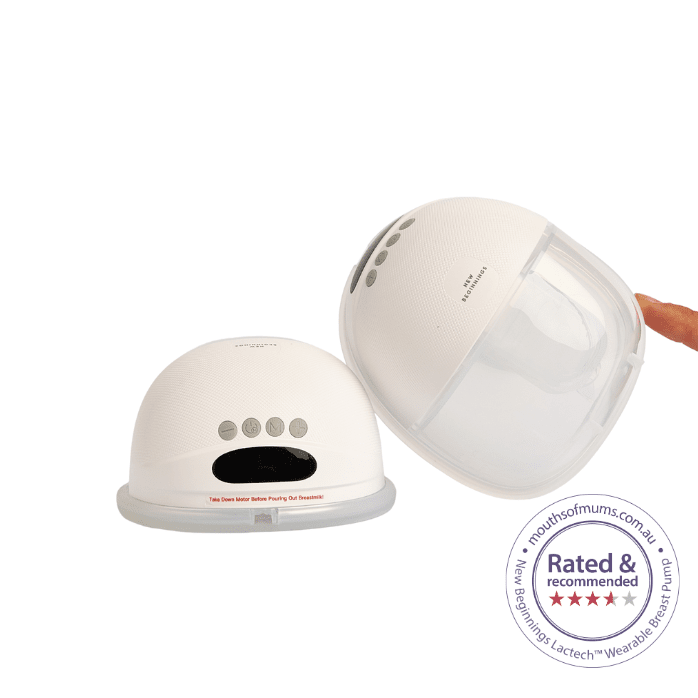
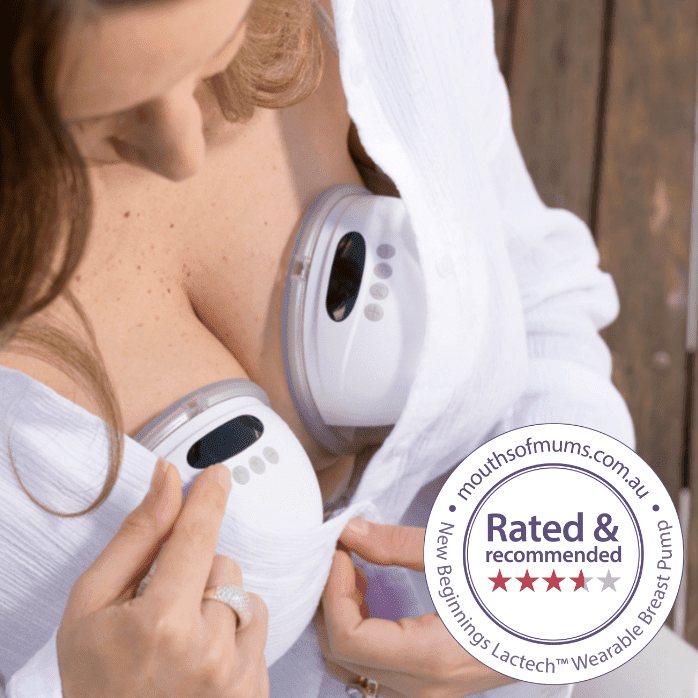
Wearable pumps sit inside your bra and operate hands-free. No cords. No tubes. No being anchored to a power point while you wait for the session to finish. You can express while working, cooking, feeding another child, or simply moving around the house like a normal person.
The Wearable Breast Pump uses LacTech™ technology to mimic the natural rhythmic phases of breastfeeding across four modes and nine suction levels, giving you a personalised and comfortable pumping experience. It holds up to 180ml per cup, runs for up to 2.5 hours on a full charge, and comes with multiple flange sizes plus a nipple ruler so you can find your correct fit from the start, which makes a significant difference to both comfort and output.
For mums who are going back to work, pumping frequently, or just want the freedom to get on with their day while expressing, a hands-free breast pump changes the experience entirely.
"A solid nod of approval"
This double wearable breast pump pack has been designed with a new mum in mind, right down to having fewer parts to clean and assemble, and having the ultra handy nipple ruler to ensure you can find the right fit straight from the get go. My first time round breastfeeding and then exclusively pumping was made so difficult with not knowing my correct flange size, but this time around the Lactech Breast Pump has all the info and supporting parts to ensure this would not be a problem again. The pump is ultra quiet, comfy to wear and easily slides into my bras.
— Kaylie035, Wearable Breast Pump
Manual Vs Electric Vs Wearable Breast Pumps
| Manual Breast Pump | Electric Breast Pump | Wearable Breast Pump |
|---|---|---|
| Operated by hand. You create suction with a handle or squeeze body. | Powered by a motor for consistent suction and faster expression. | Completely hands-free and cord-free sits inside your bra for quiet, discreet pumping. |
| Best for occasional use, quick relief, or travel. | Great for daily or exclusive pumping and building supply. | Perfect for multitasking mummas who need to pump on the go (or while eating toast one-handed). |
| Small, lightweight, and super quiet. | Some noise from the motor, but efficient and powerful. | Ultra quiet and compact. No cords, no bottles hanging off you. |
| Lower cost and easy to clean. Ideal as a backup or starter. | More expensive, but worth it for frequent pumpers. | Higher price tag, but convenience and freedom are priceless. |
| One breast at a time. | Single or double options for faster pumping. | Typically double - express both sides while staying mobile. |
| No charging or cords, just you and your pump. | Requires power or battery; most are rechargeable. | Rechargeable and wireless wear, pump, and move freely. |
| Shop the Silicone Manual Pump | Shop the Double Electric Pump | Shop the Wearable Breast Pump |