When I first started pumping, I assumed the flanges in the box would be fine. But I quickly learned there’s a big difference between a flange that technically fits and one that actually feels comfortable, protects your nipples, and helps you pump efficiently.
Getting the right flange size completely changed my pumping sessions. I'm talking less pain, less wasted milk, and more comfort.
This guide shares everything I wish I’d known sooner about flange sizes: how to measure properly, when it’s time to adjust, and how to choose the size that makes pumping easier and more effective for you, mumma.
What Is a Flange (or Breast Shield) and Why Does Size Matter?
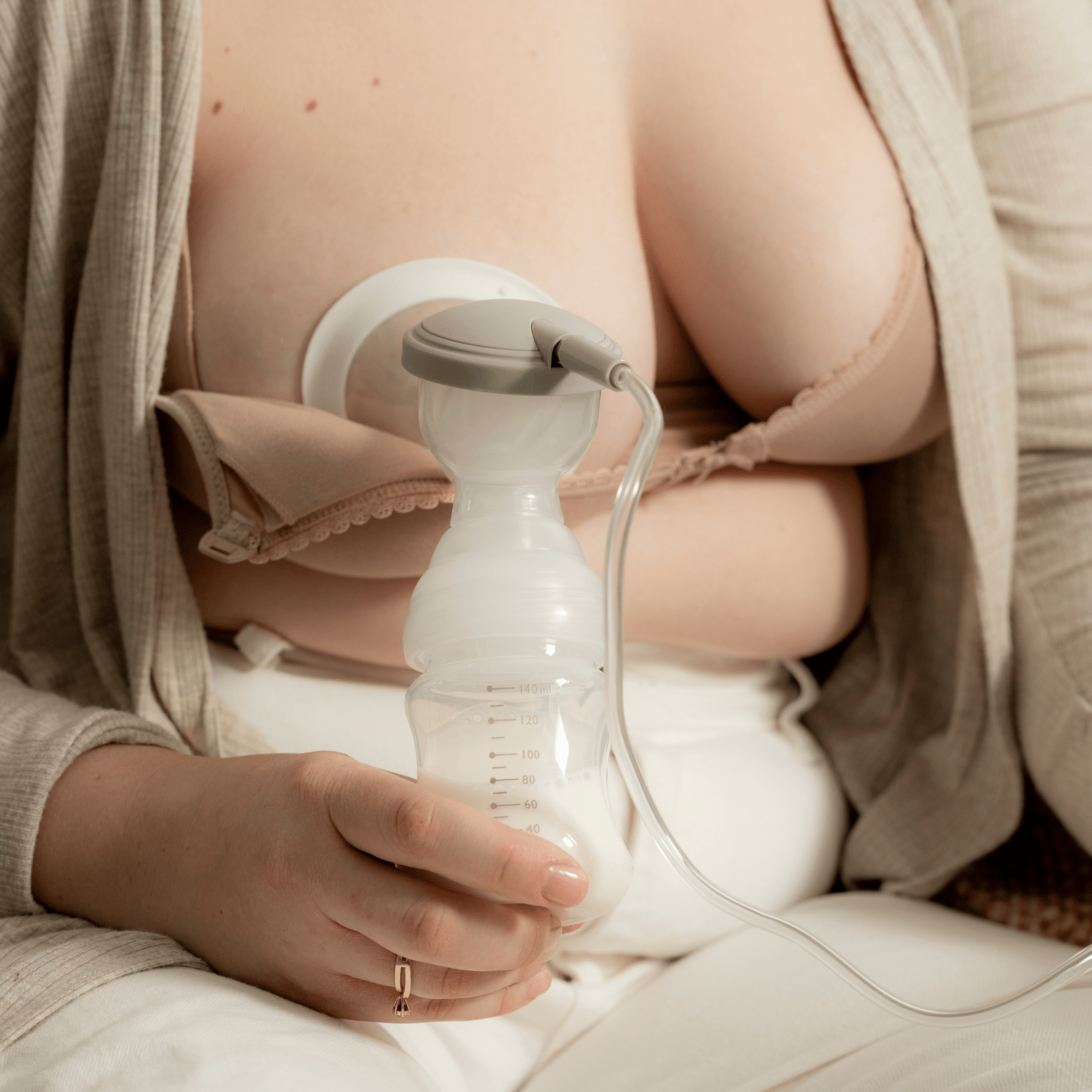
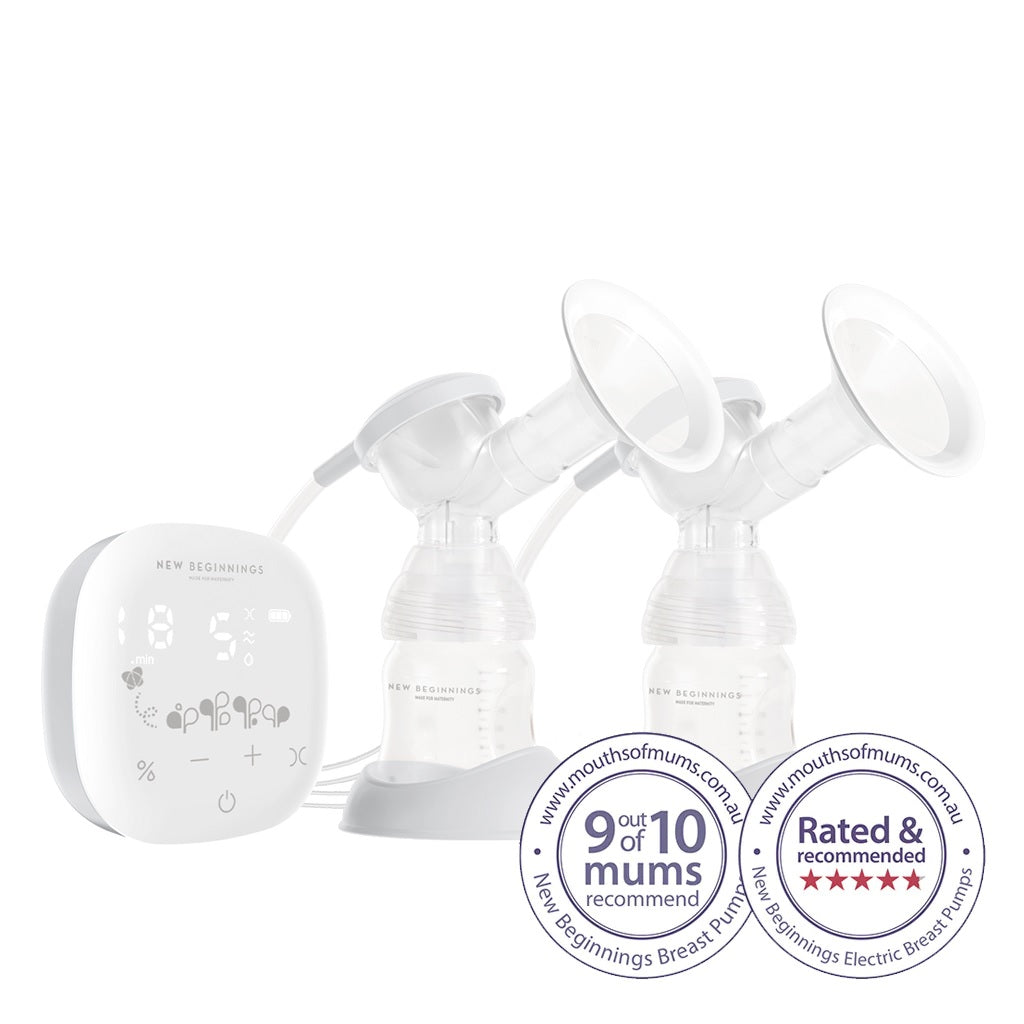
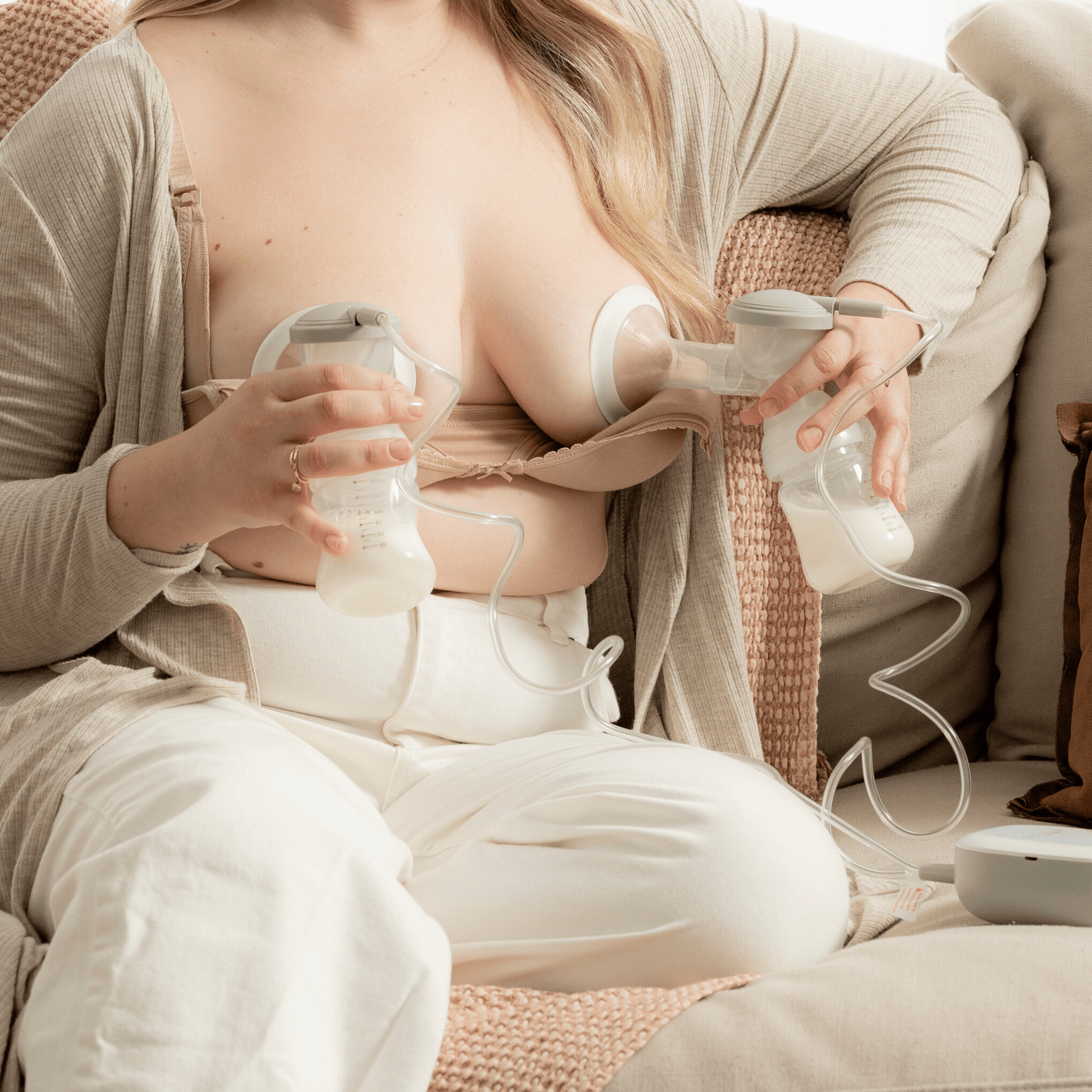
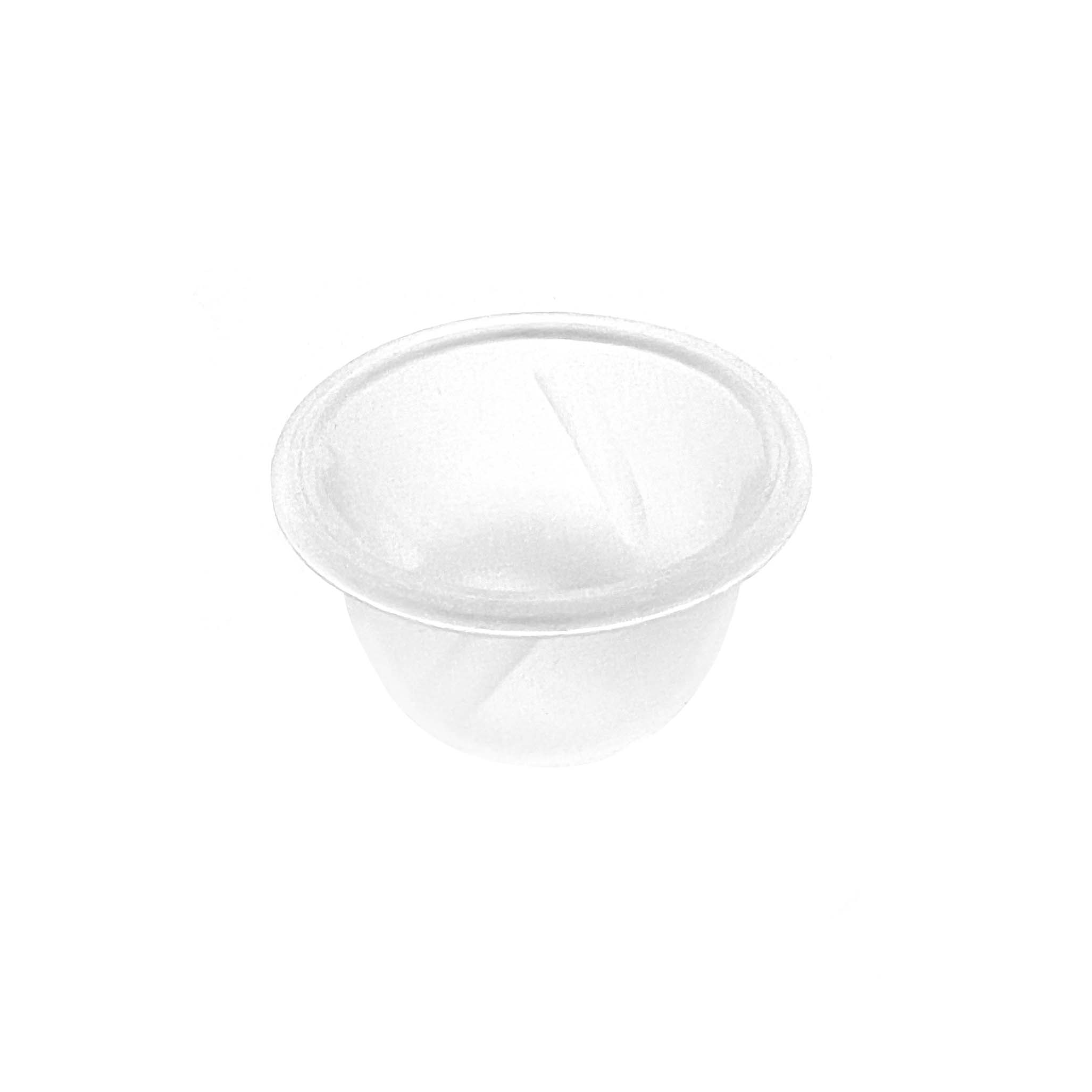
A flange, sometimes called a breast shield, is the part of your breast pump that sits over your nipple and areola. It creates the seal and gentle suction that draws milk out. If it does not fit properly, your pumping sessions can feel uncomfortable and far less effective.
Too small and your nipple may rub or pinch against the tunnel walls, causing soreness, cracking, and even blocked ducts. Too large and too much of your areola gets pulled in, suction feels weak, and milk flow can slow right down.
So many mums do not realise they are using the wrong flange size ¹ and it can make all the difference. A separate large-scale survey found that flange fit was one of the most consistently cited factors in pumping discomfort and reduced efficacy, with mums reporting a clear need for better sizing guidance. ²
Finding the right fit is not just about comfort. It is about protecting your nipples, keeping milk flowing, and making each pumping session a little easier. And honestly, we will take easier any way we can get it.
What are the Signs your Flange isn’t Right?
Here is what many mums notice, and what experts consistently flag as red flags:
| Flange Too Small | Flange Too Large |
|---|---|
| Nipple pinches or burns; tip turns white | Suction feels weak; areola is pulled into the tunnel |
| Milk output is low even after long pumping | You have to turn up suction high to feel anything |
| Nipples are sore, cracked, or blistering | Lots of air sounds or leaks; little feedback from pump |
If you are experiencing persistent discomfort or your milk output seems much lower than it should be, adjusting your flange size could be the missing piece. ³ You can also find more guidance on managing pumping pain in our blog on what to do if breastfeeding is painful.
How to Measure Your Flange Size (Step-by-Step)
Here is how I measured mine, and tweaked until it felt just right:
- Step 1. Wait until after a feeding or pumping session, or at least until your nipple has fully rested. Measuring immediately after feeding can give an inaccurate result due to swelling and tissue changes.
- Step 2. Use a ruler or measuring tape marked in millimetres. Measure the diameter of your nipple alone, from one side to the other at the base, not including the areola. Some guides recommend measuring when the nipple is slightly stimulated, as this more closely reflects what happens during a pump session.
- Step 3. Once you have your measurement (for example, 18mm), add 2 to 4mm to allow space for comfortable movement and to avoid rubbing against the tunnel walls.
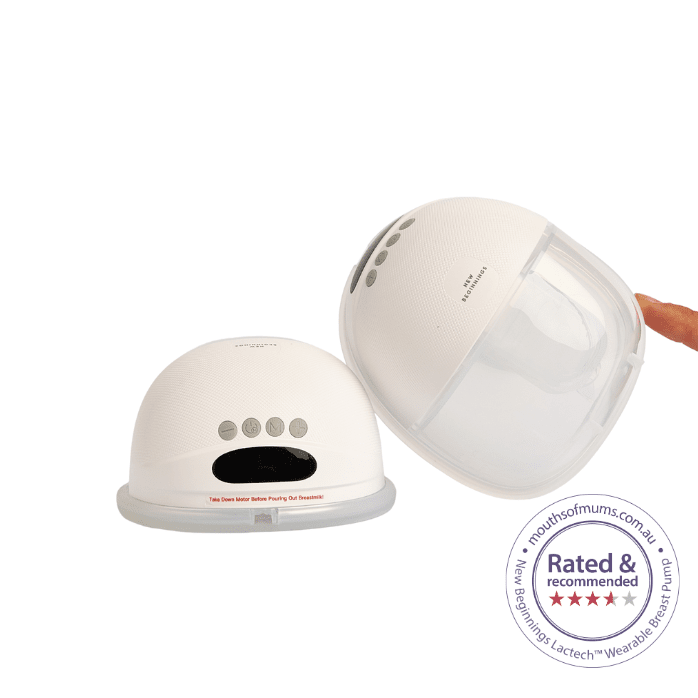
- Step 4. Compare this to the flange sizes available with your pump. The New Beginnings Double Electric Breast Pump includes multiple flange sizes in the kit so you can trial both straight away. The New Beginnings Wearable Breast Pump comes with a standard 24mm flange plus 21mm and 19mm flanges, and each box includes a nipple ruler to help you measure accurately.
- Step 5. Test with a short pumping session. Start at low suction and check that your nipple moves freely in the tunnel without rubbing the sides, that little or no areola is being pulled in, and that the overall sensation is comfortable rather than painful.

How Your Flange Size May Change Over Time
Even as a mum on my third bub, my flange size changed a few times in those early months. It is more common than people realise.
Your nipples can change size due to hormone shifts, engorgement, or fluctuations in milk supply. Breast tissue can swell or settle as you heal after birth. Your pumping style also matters: swapping between a double electric pump and a wearable pump can change how a flange fits over time.
I now check every few weeks, or any time I notice discomfort or a drop in output. Having a couple of extra flange sizes ready at home means you are not scrambling when your body changes. For a real look at how pumping sessions evolve week to week, our day in the life of pumping blog is a genuinely honest read.
Quick Reference: Flange Size Table
Here’s a rough guide many parents use (not all pumps are the same, check with yours):
| Nipple Diameter | Suggested Flange Size |
|---|---|
| 15–16 mm | 18–20 mm |
| 17–18 mm | 20–22 mm |
| 19–20 mm | 22–24 mm |
| 21–22 mm | 24–26 mm |
| 23–25 mm | 27–30 mm |
Use this as a starting point, but always test.
A side comment on Wearable Pumps vs Double Electric Pumps
Using a wearable pump like the New Beginnings Wearable Breast Pump adds a few extra considerations when it comes to flange fit.
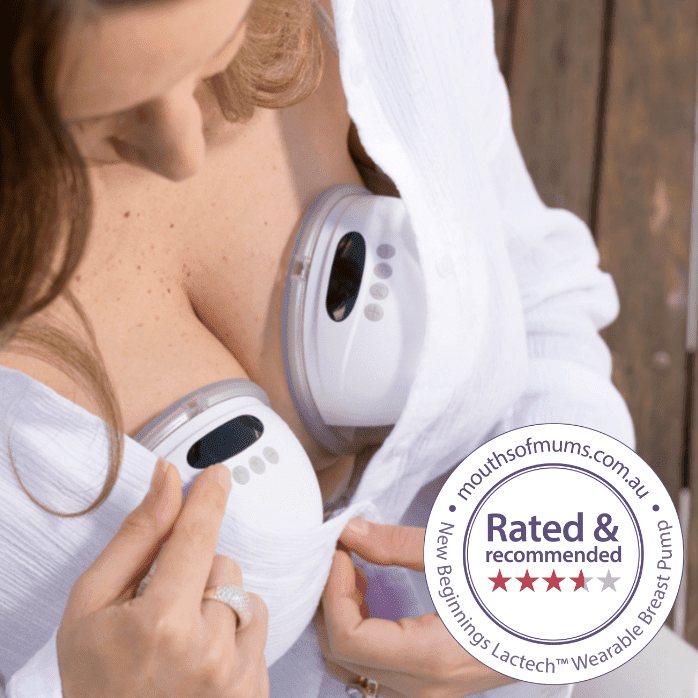
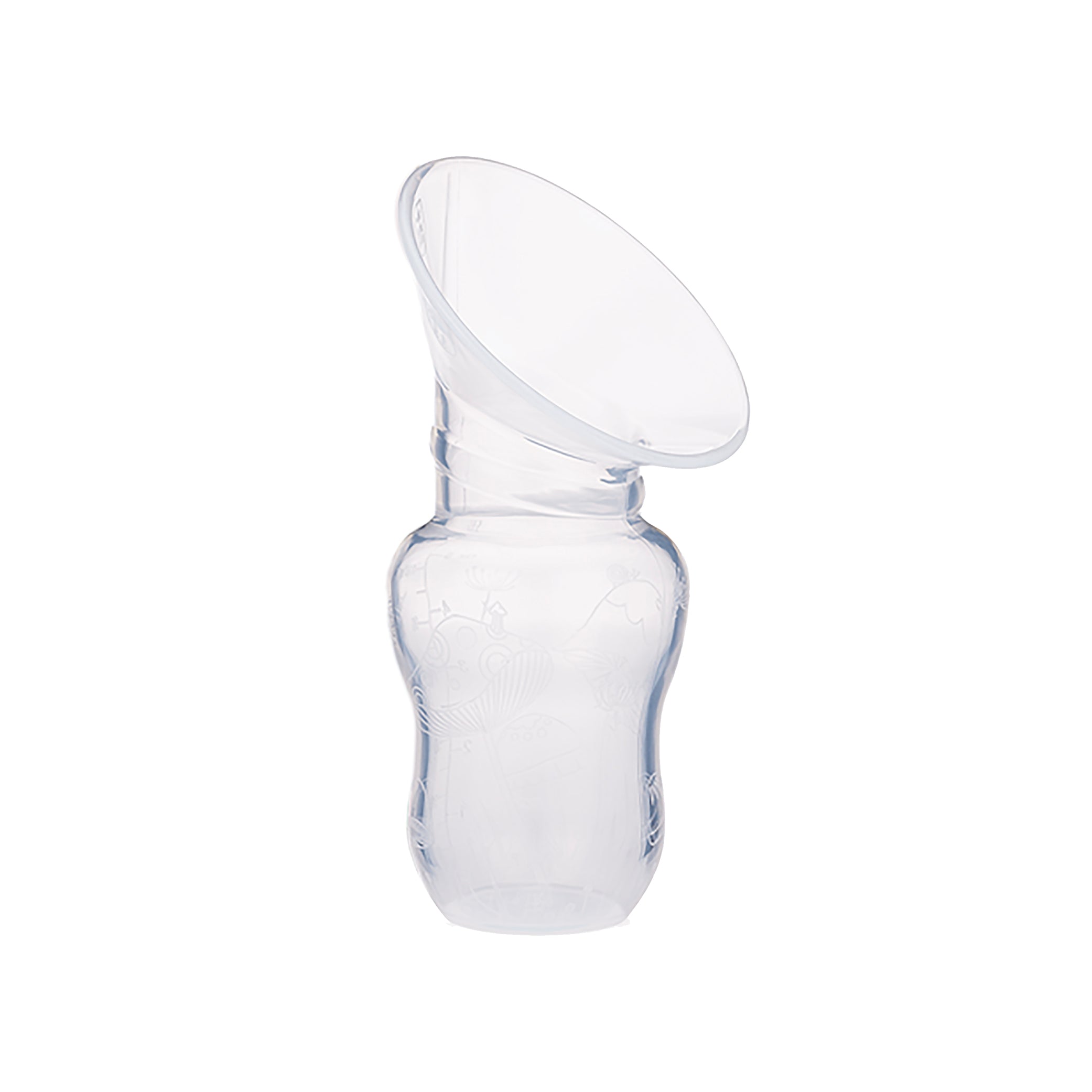
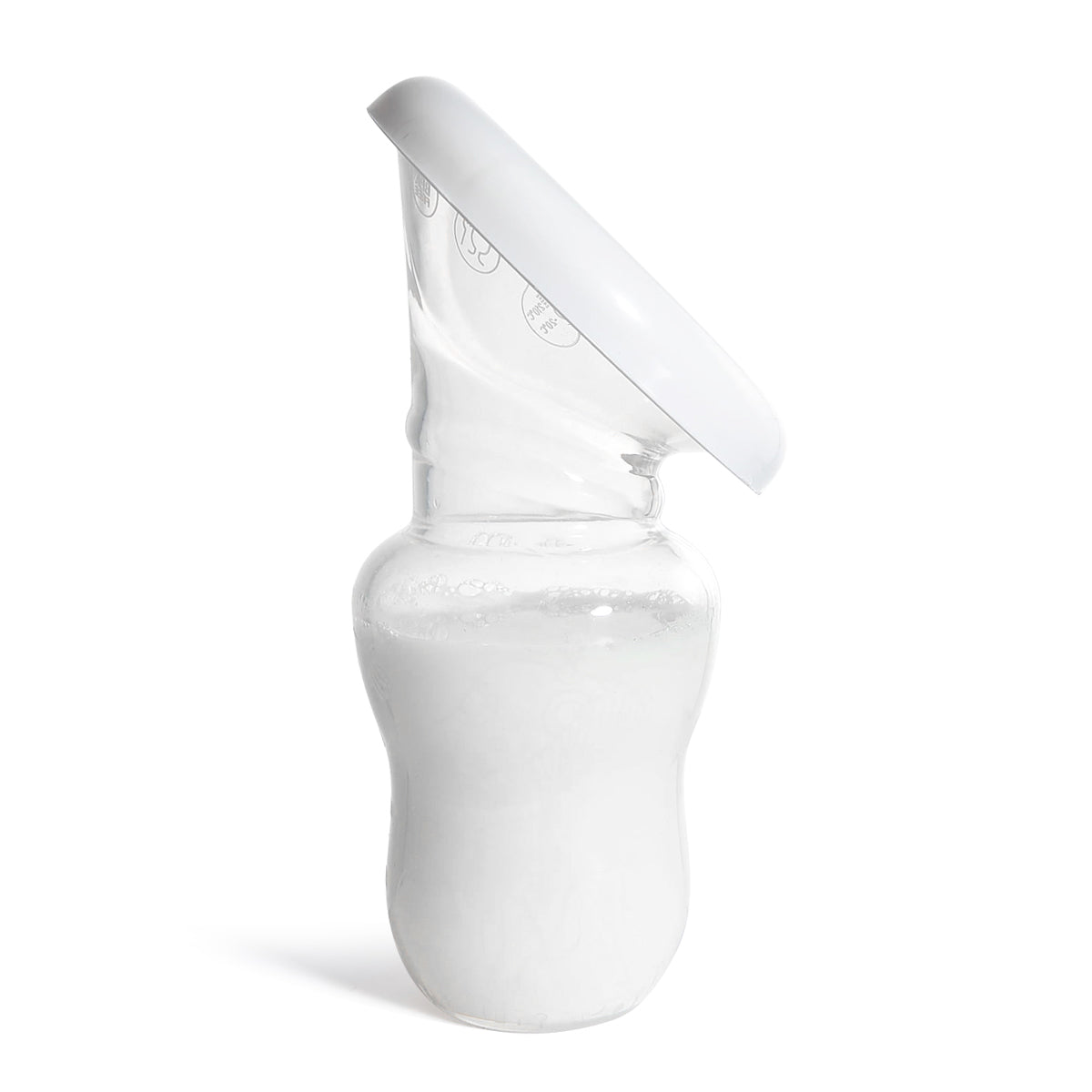
Because wearable pumps move with your body, the seal needs to be very secure to avoid leaks during normal activity, which makes a well-fitted flange even more critical. Wearable pumps often use silicone inserts to customise the tunnel diameter, so it is worth trialling different sizes or inserts if the standard size does not feel right. Comfortable fit and accurate centre alignment are especially important with wearable designs, since there is less rigid back support than a traditional pump.
With double electric pumps, since you are typically sitting still during a session, minor fit issues may feel less noticeable in the moment. Over time, though, a poorly fitted flange still causes nipple fatigue and can reduce output, so it is just as worth getting right.
Breast shield design, including how the flange interacts with breast tissue, directly impacts milk removal efficiency during pumping. ³ The right fit is not just a comfort issue. It is an output issue.

How New Beginnings Pumps Handle Flange Sizes
Here’s how NB’s pumps make life easier (from what I’ve used):
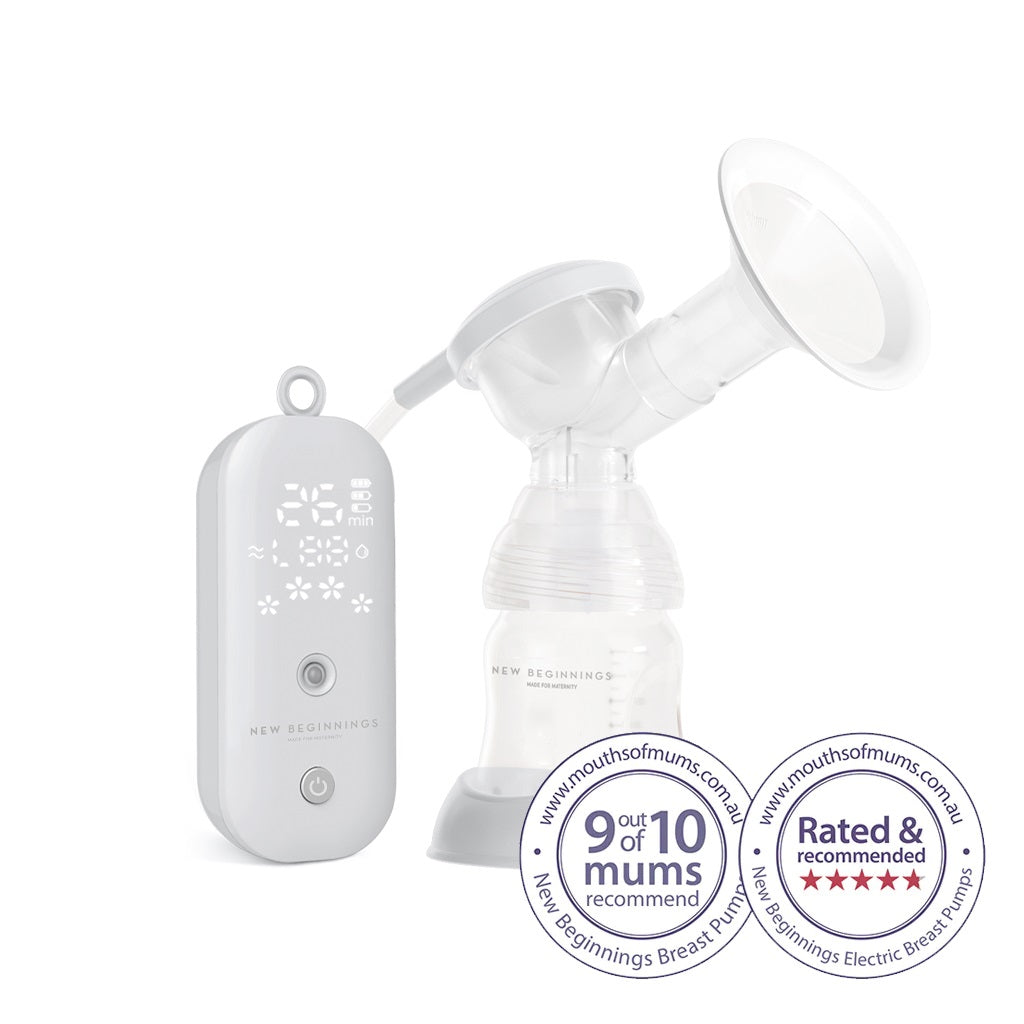
- Double Electric Breast Pump: Comes with two flange sizes in the kit, which allows immediate trial between sizes. If one feels off, you can swap to the other. You can also purchase extra sizes or add-ons here.
- Wearable Breast Pump: The standard 24mm flange is included, plus two 21mm flanges and two 19mm flanges for a customised fit. To make things even easier, each box also comes with a nipple ruler to help you measure accurately.
Tips & Tricks from My Pumping Journey
- Start with the larger flange if you are between two sizes. Too tight means pain
- Always centre your nipple in the tunnel before turning on suction
- Begin at low suction and ramp up gradually. High suction from the start amplifies discomfort rather than improving output
- Keep extra flanges or inserts clean and dry. Rotating between sets helps reduce pressure on healing tissue
- Replace flanges when you notice wear, cracks, discolouration, or deformation. Damaged parts affect the seal and, therefore, your output
- If both sides feel different, measure each nipple separately. It is common to need different flange sizes for each breast
Relevant Articles
- For what to expect in a realistic pumping day, check out A Realistic Day in the Life of Pumping.
- If you’re feeling discomfort, What Should I Do If Breastfeeding Is Painful has great tips.

Flange FAQ Section
What if the flange size I need is not included with my pump?
You can purchase additional sizes separately. The New Beginnings Double Electric Breast Pump flanges are available in 21mm, 24mm, and 28mm, and the Wearable Breast Pump comes with three sizes included. Silicone inserts are another option for fine-tuning fit between standard sizes. Always check compatibility with your specific pump model before purchasing.
How often should I re-measure my flange size?
Every few weeks during the early postpartum period is a good habit, or any time you notice discomfort, a drop in milk output, or your body feels different, such as during engorgement or as your supply settles. Nipple size can change throughout your entire pumping journey, not just in the early weeks.
Does flange size affect milk supply?
Yes, directly. A well-fitted flange helps you express milk more fully and efficiently with each session. A poor fit can restrict milk flow, reduce output, and make sessions longer and more tiring than they need to be. ¹ If your pumping sessions feel like hard work for little reward, checking your flange fit is the first place to start.
Can I use different flange sizes for each breast?
Absolutely, and many mums do. Nipples are not always symmetrical, and using different sizes on each side is completely normal. If one side consistently feels uncomfortable or produces less milk, try measuring that nipple separately and adjusting accordingly.
Is some discomfort normal when I first start pumping?
A small amount of sensitivity in the very first sessions is common as your body adjusts. But persistent pain, soreness, nipple rubbing, or any kind of tissue damage is not something you should push through. Adjust your flange size, lower your suction setting, and if things do not improve, reach out to a lactation consultant. Pumping should feel like a steady, comfortable pull, not something you dread.
How do I know if my flange size is affecting my milk output?
Signs to watch for include longer sessions with surprisingly little milk, needing to turn suction up high to feel anything, breasts that still feel full after pumping, or general pumping fatigue. If flow feels weak despite good suction, check your flange fit and ensure your nipple is centred in the tunnel before starting each session. ²