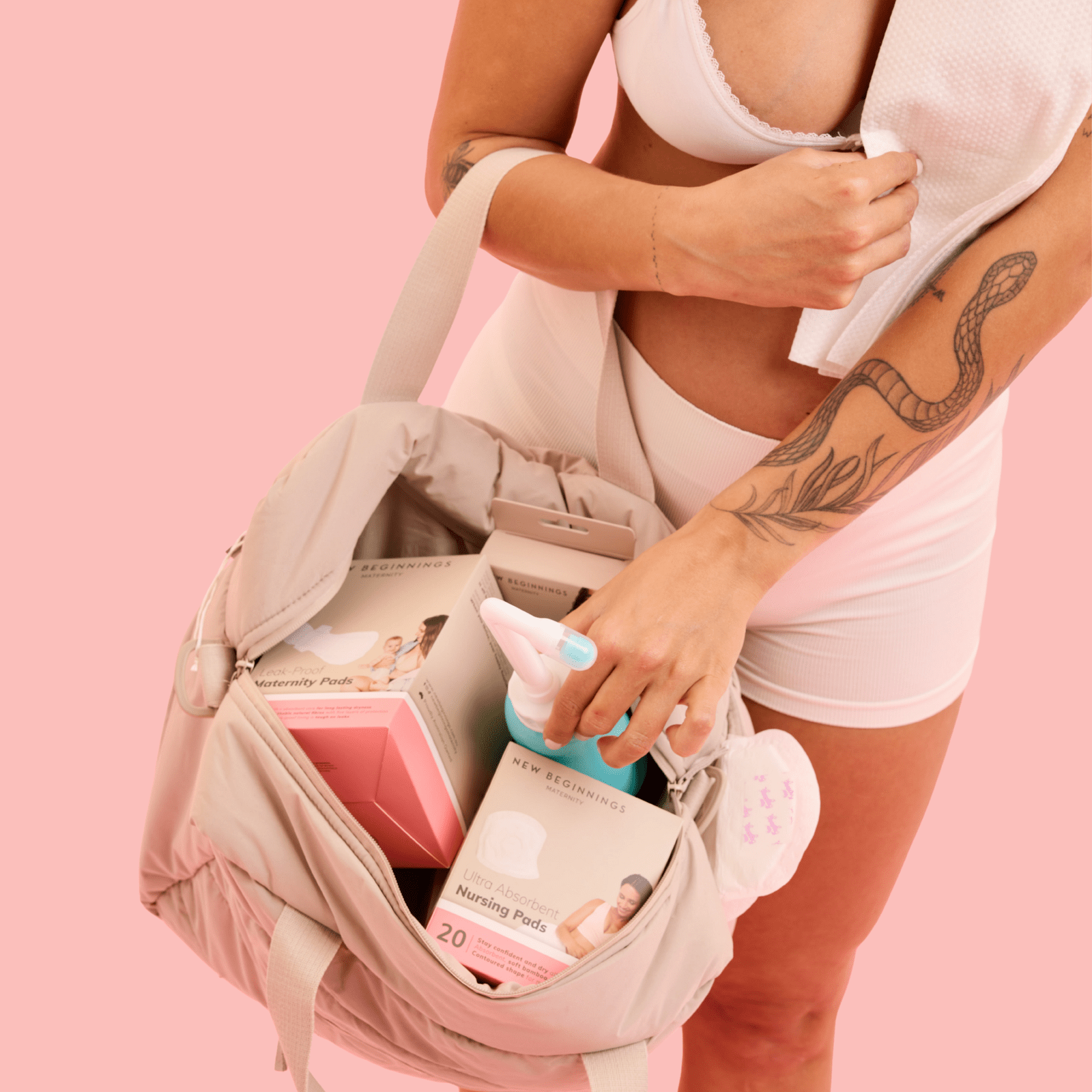
Hospital Musts
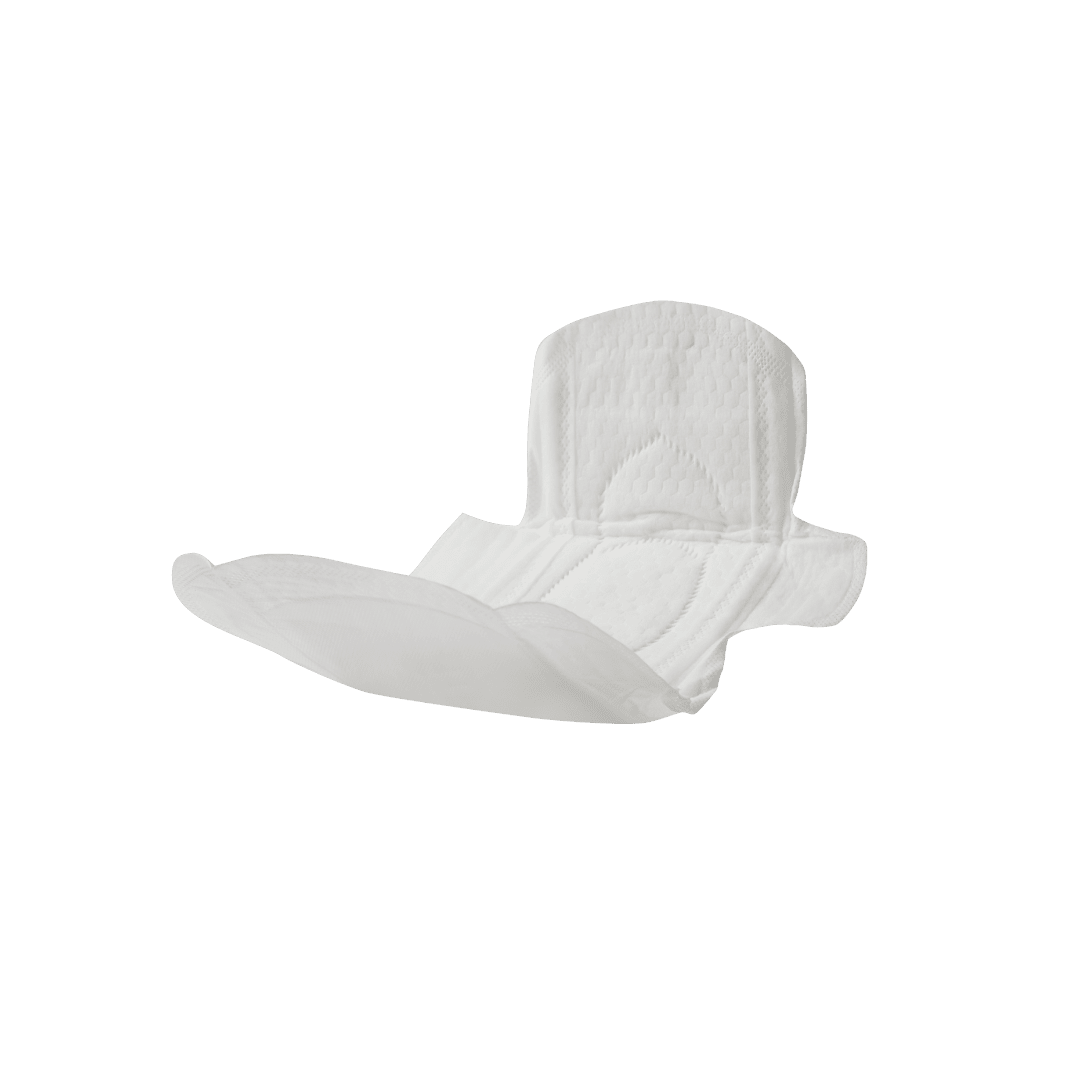
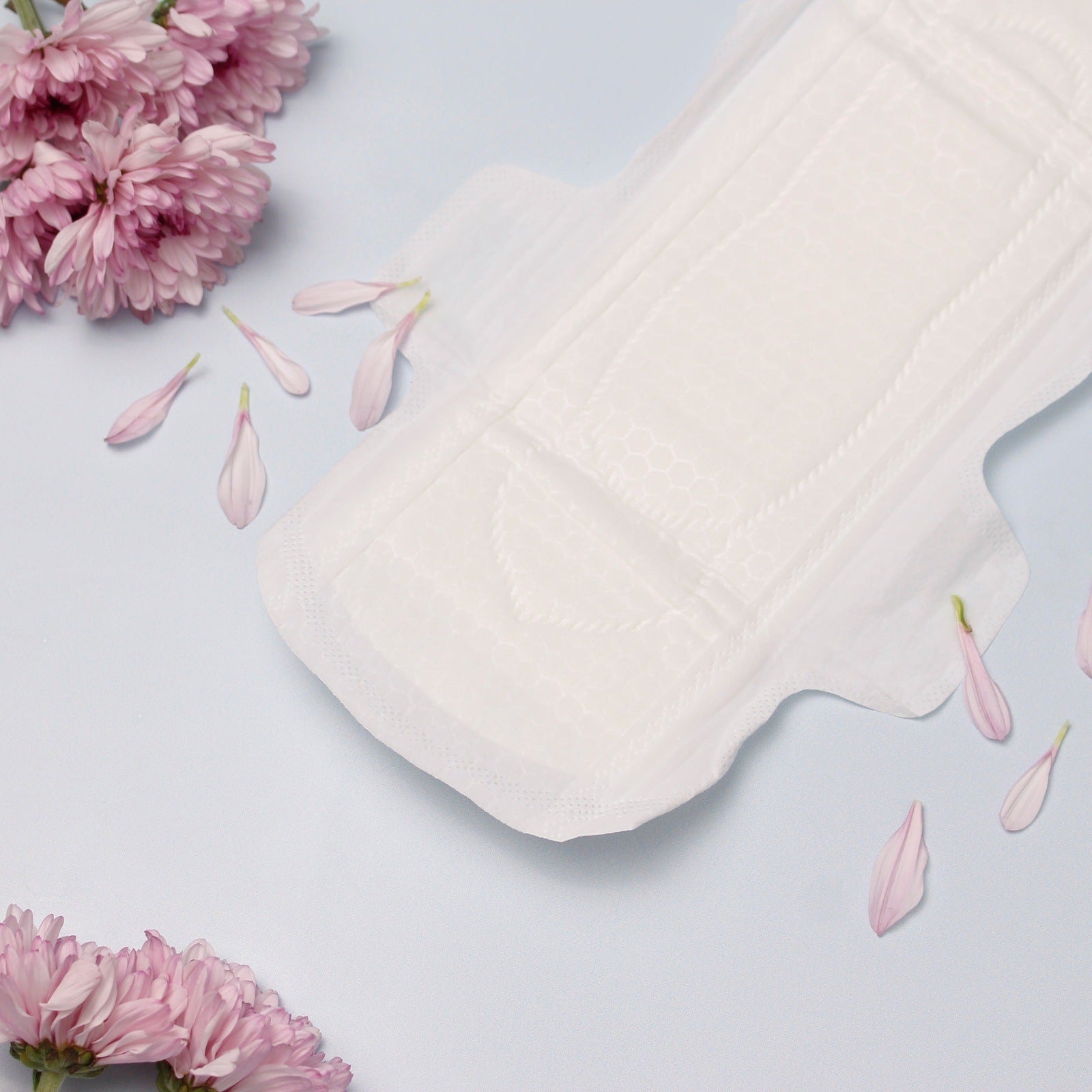
Type: Post Birth Care
Maternity Pads (24pk)
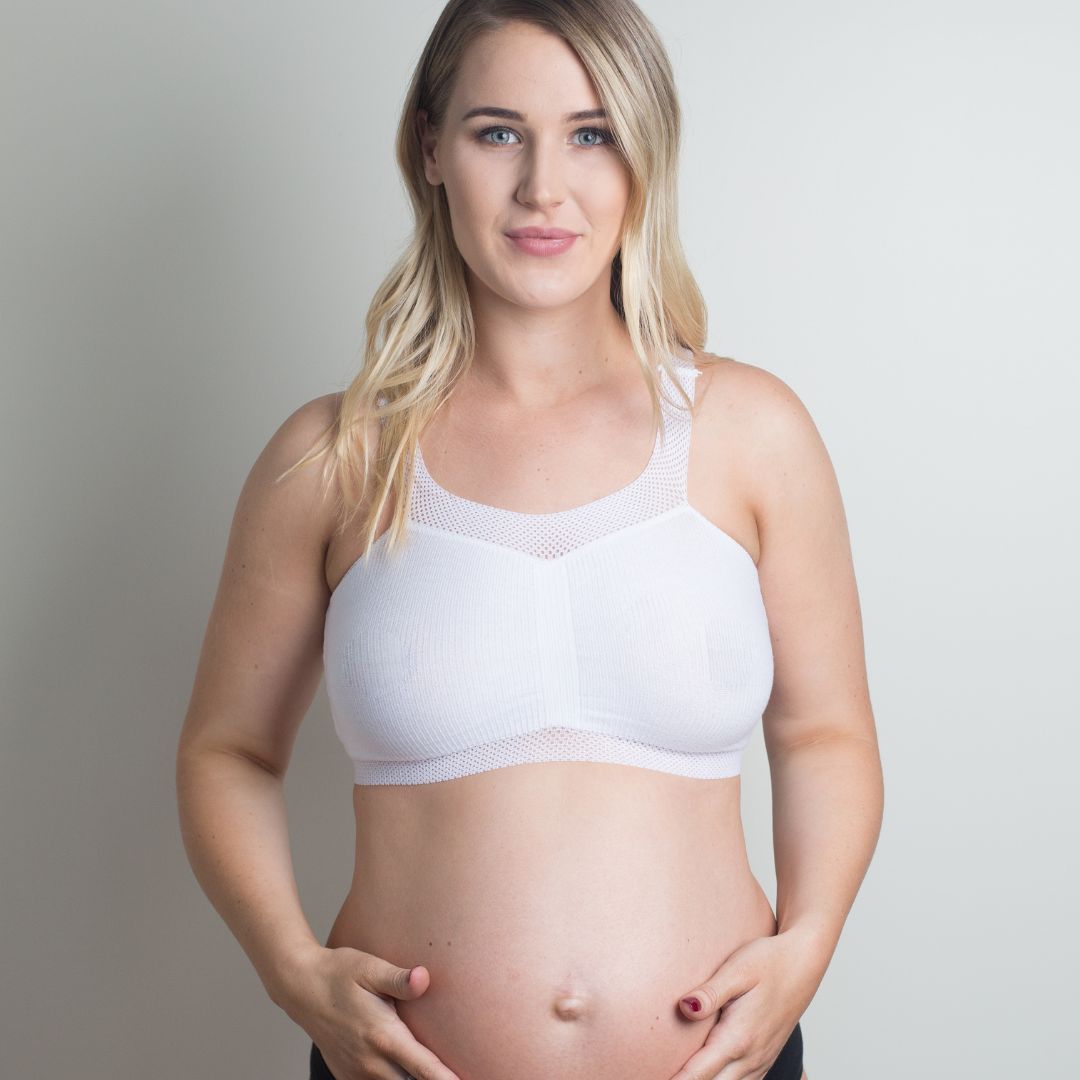
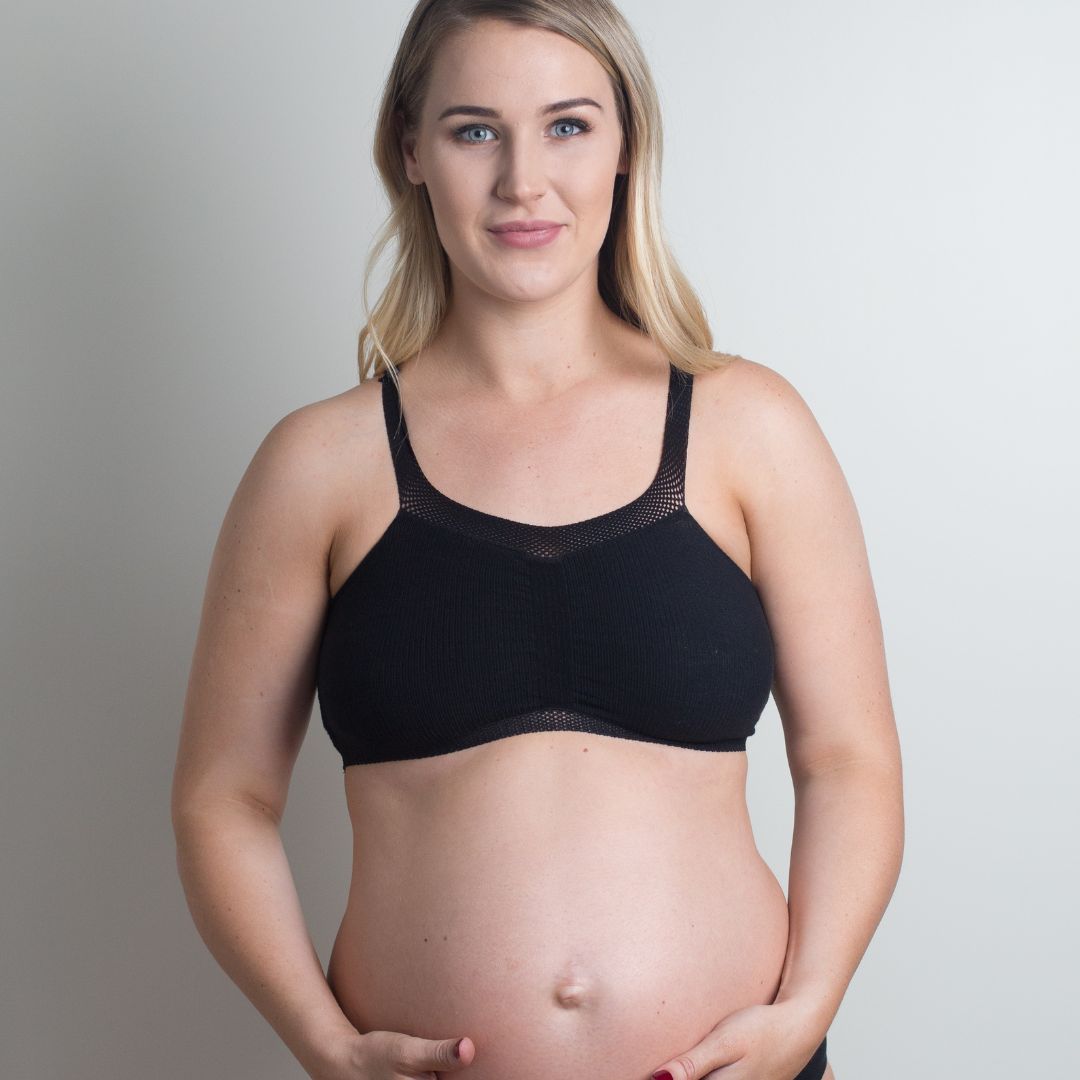
Type: Bras
Lounge Crop Top Bra


Type: Nursing Pads
Nursing Pads (40pk)

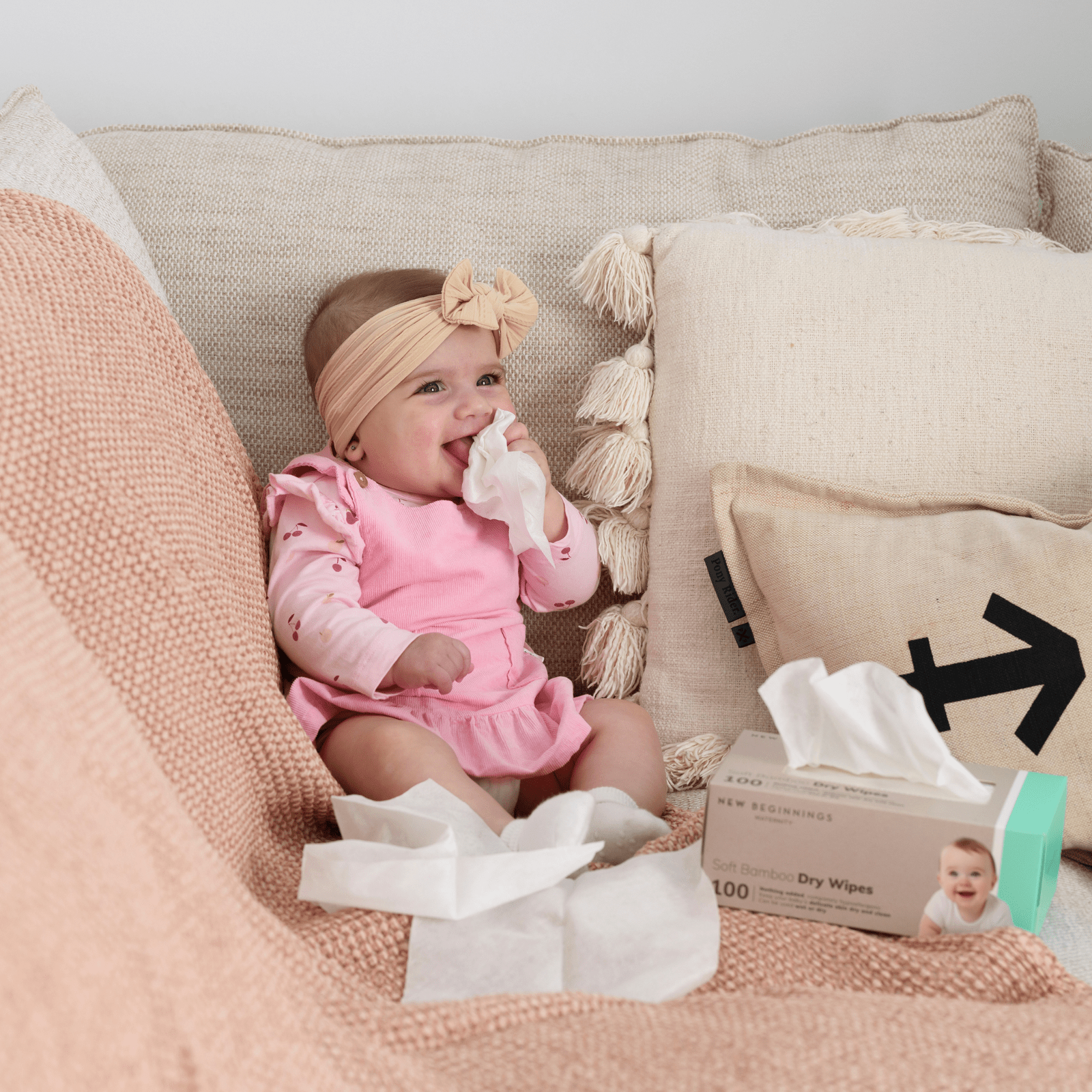
Type: Cleaning
Dry Wipes (100pk)


Type: Nursing Pads
Slimline Nursing Pads (40pk)


Type: Pumps & Feeding
Breastmilk Storage Bags (25pk)

Type: Nursing Pads
Nursing Pads (60pk)

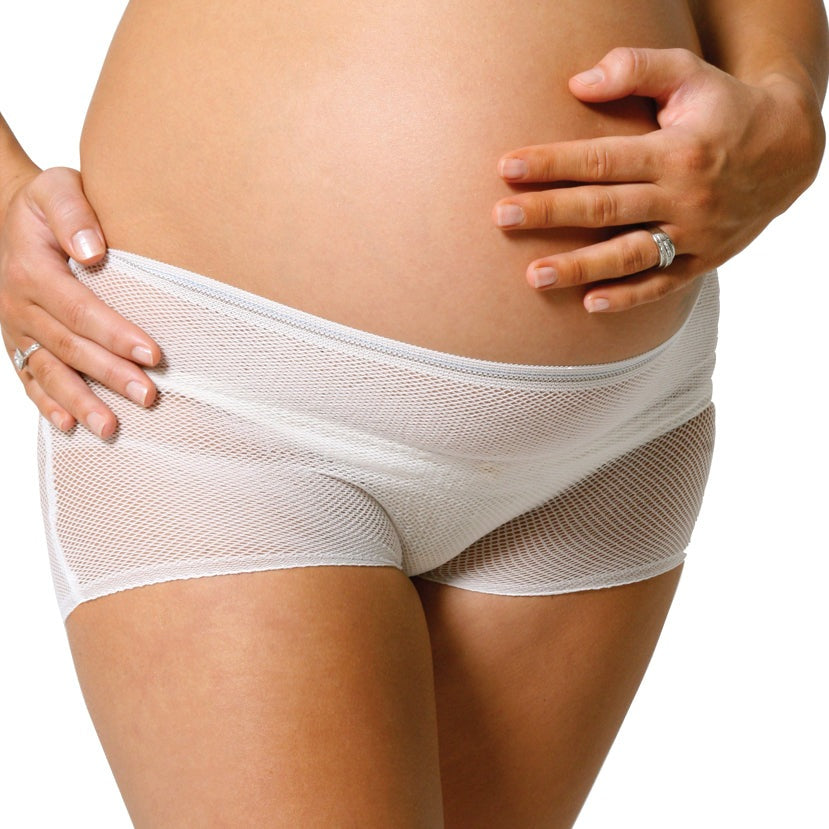
Type: Post Birth Care
Disposable Briefs (2pk)

Hospital Musts
There's a lot of consider when planning your hospital stay, so we're here to help with a list of our hospital must haves. Every mumma is different, so we've ensured you have all of the basics to be comfortable and healthy.
Spill the Milk

It's OK to Not Feel OK: Baby Blues, Postnatal Depression and Where to Find Support
Let's be real for a sec. Our feeds are full of sleepy newborn snaps and matching linen sets, but hardly anyone posts about crying in the pantry at 3am because the baby finally fell asleep and you can't. With World Mental Health Day landing on Friday 10 October, we want to have the chat that doesn't always happen at mothers' group: how new mums (and dads) are actually going, beyond the cute photos. Baby blues vs postnatal depression: what's the difference? The Baby Blues If you've just brought bub home and you're teary because your toast landed butter-side down, you're not alone. Around 80% of new mums get the baby blues, usually kicking in 3 to 5 days after birth. It's a mix of dropping hormones, broken sleep and the sudden realisation that you're now in charge of a tiny human 24/7. The good news? The blues usually ease on their own within a few days to a couple of weeks. Perinatal depression and anxiety (PNDA) When the heavy feelings stick around for two weeks or more, and start getting in the way of everyday life, it may be perinatal depression or anxiety. "Perinatal" covers pregnancy and the first year after birth, so it can start before bub even arrives. Up to 1 in 5 mums experience anxiety and/or depression during pregnancy or after birth Up to 1 in 10 dads and partners experience it too That's around 100,000 Aussie parents every year Picture your mothers' group catching up for a flat white. In a group of five, statistically one of those mums could be quietly doing it tough. Signs to look out for Feeling sad, flat or numb most of the day Constant worry or racing thoughts you can't switch off Losing interest in things you used to enjoy Feeling disconnected from bub, or like you're "not a good mum" Trouble sleeping even when you get the chance Pulling away from friends and family What causes it? There's no single cause. It's usually a pile-on of a few things: Hormone free-fall: oestrogen and progesterone drop sharply after birth, which can hit your mood hard. Sleep deprivation: waking every couple of hours for months takes a real toll on your brain and body. A missing village: lots of us don't live close to family anymore, and raising a baby without that support is tough going. Expectations vs reality: social media says glowing and organised. Reality is three days in the same tracksuit. Your history: a past experience of depression or anxiety, a difficult pregnancy or birth, or extra stress like money worries or relationship strain can all add to the load. Where to get support The biggest trap is thinking, "Everyone else is coping, I should just push through." You're not failing. You're adjusting to one of the biggest changes life throws at you, and support is out there. Save these numbers in your phone. They're free, confidential and run by people who get it: PANDA (Perinatal Anxiety & Depression Australia): 1300 726 306, the national helpline for expecting and new parents Gidget Foundation Australia: 1300 851 758, free psychological support for expecting and new parents, including telehealth ForWhen: 1300 24 23 22, helps you find the right perinatal mental health services near you Pregnancy, Birth and Baby: 1800 882 436, free advice from maternal child health nurses MensLine Australia: 1300 78 99 78, support for dads and partners, 24/7 Beyond Blue: 1300 22 4636, 24/7 mental health support Lifeline: 13 11 14, 24/7 crisis support if things feel too much right now Your GP, midwife or child and family health nurse is also a great first stop. They can check in on how you're going and help with next steps. This Mental Health Day, check in on your mates If someone you know has recently had a baby, don't just ask how bub is sleeping. Ask how she's going, and really listen to the answer. Drop off a meal, take the baby for a walk so she can shower, or just sit with her on the couch. And if you're the one struggling: you're doing better than you think, and you don't have to do it alone. 💛 FAQs What's the difference between the baby blues and postnatal depression?The baby blues affect around 80% of new mums, start 3 to 5 days after birth and usually pass on their own. Postnatal depression lasts two weeks or more and affects daily life, so it's worth getting support. How common is perinatal depression and anxiety in Australia?Up to 1 in 5 mums and 1 in 10 dads or partners experience it, around 100,000 Australian parents each year. Can dads get postnatal depression?Yes. Up to 1 in 10 new dads and partners experience perinatal depression or anxiety. Where can I get help for postnatal depression in Australia? Start with the PANDA National Helpline on 1300 726 306 Gidget Foundation on 1300 851 758, or your GP. For 24/7 crisis support, call Lifeline on 13 11 14. Sources: PANDA: How common are mental health issues in the perinatal period Gidget Foundation: What is PNDA SBS: How perinatal depression can affect new dads
Learn more
Why Your Bra Size Won't Stop Changing During Pregnancy
That bra that fit perfectly at your booking-in appointment? It might not make it to your third trimester. Here's the honest guide to why your bra size keeps moving, and when it's actually time to remeasure.
Learn more
Bra Fit After Birth: What to Expect And Why Your Old Bras Suddenly Don't Work
Nobody tells you that the bra you packed in your hospital bag might not fit by the time you get home. Here's what actually happens to your breasts after birth, and how to find support that keeps up.
Learn more