You know the moment. You go to hook your bra at the end of the day and the band leaves a red mark that takes twenty minutes to fade. Or you reach for your usual bra in the morning and the cups just don't sit right anymore, like they belong to a slightly different person.
Bra size changes during pregnancy more than most mums expect, and almost nobody talks about it. You hear plenty about the bump, the swollen ankles, the cravings. Your bra situation barely gets a mention, and yet the breast changes during pregnancy are some of the most physically obvious you'll go through.
The honest truth is your breasts are doing an enormous amount of work behind the scenes, and your maternity bra needs to keep up with that. A bra that's too tight or too small can genuinely be uncomfortable and unhelpful for what your body is trying to do.
So let's talk about what's actually going on, why your bra size keeps shifting, and when to remeasure instead of just squeezing into what you already own.
What's actually happening to your breasts?
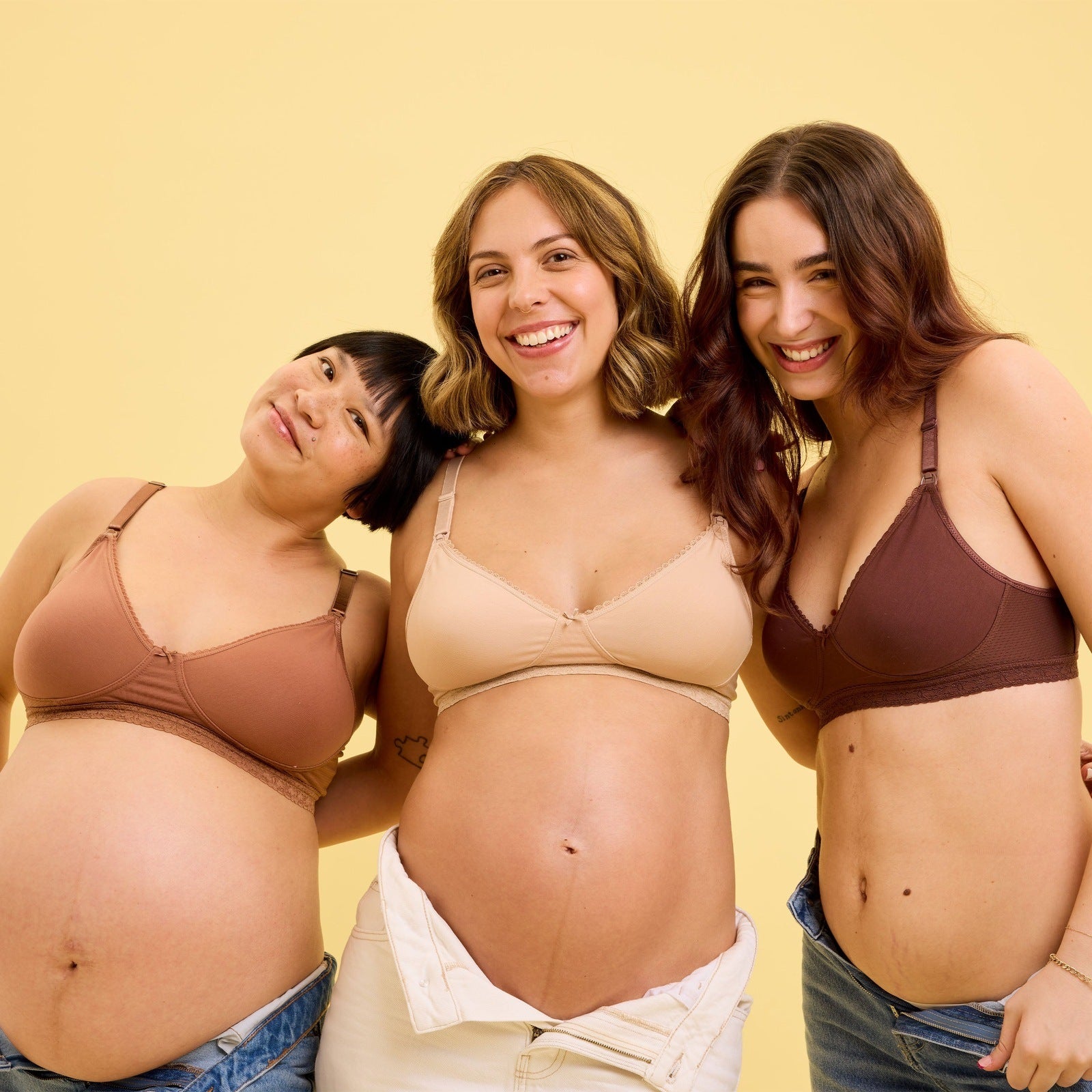
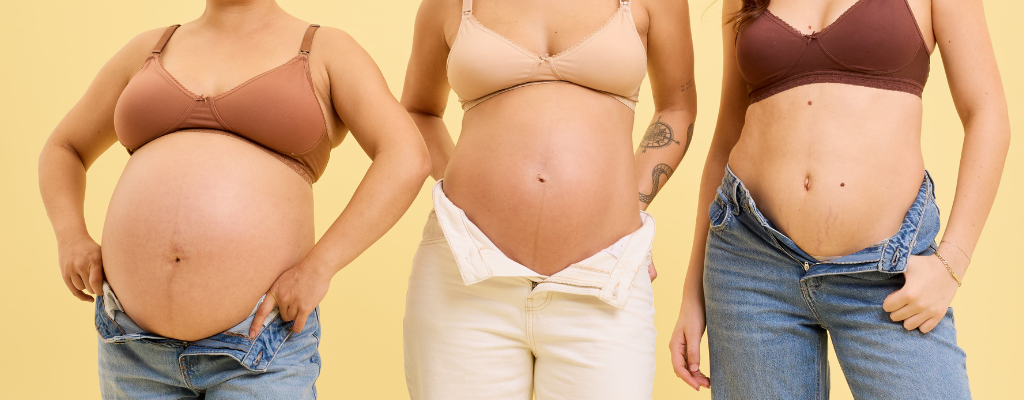
Breast changes are one of the earliest signs of pregnancy for a lot of mums, sometimes showing up before a missed period. This is your body responding to a rapid rise in hormones, which increases blood flow and prepares your breast tissue for feeding. Breasts and nipples change in size, colour and shape throughout pregnancy, and for many women, this starts well before the bump does. [1]
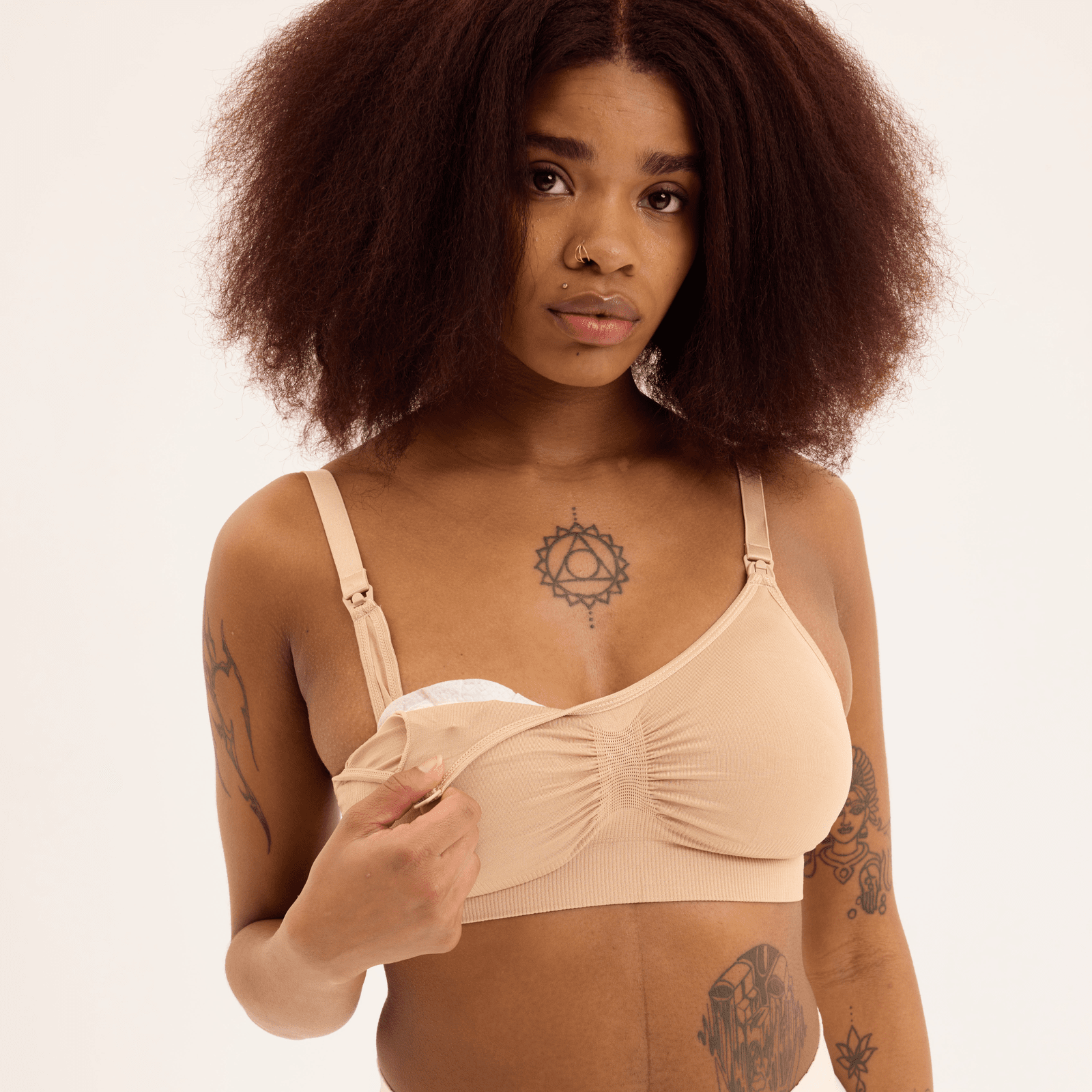
By around the second trimester, your breasts are capable of producing milk, and some mums notice their breasts leaking a small amount of colostrum from this point onwards. [2] This isn't something going wrong. It's your body quietly getting the factory set up early.
Here's the part that catches most mums off guard: this isn't a single, tidy jump from one size to the next. It's a gradual, sometimes lumpy, sometimes rapid process that keeps moving right through pregnancy and into your feeding journey.

So why does it keep changing more than once?
If you've noticed your bra fitting differently from one trimester to the next, you're not imagining it, and you're definitely not alone.
- First trimester: hormonal changes cause swelling and fluid retention, which often means tenderness before there's any visible growth. Your regular bra might just start to feel wrong, even if it still technically fits.
- Second trimester: this is usually when the most noticeable growth happens. Milk-producing tissue is developing, and many mums move up a full cup size or more during this stage.
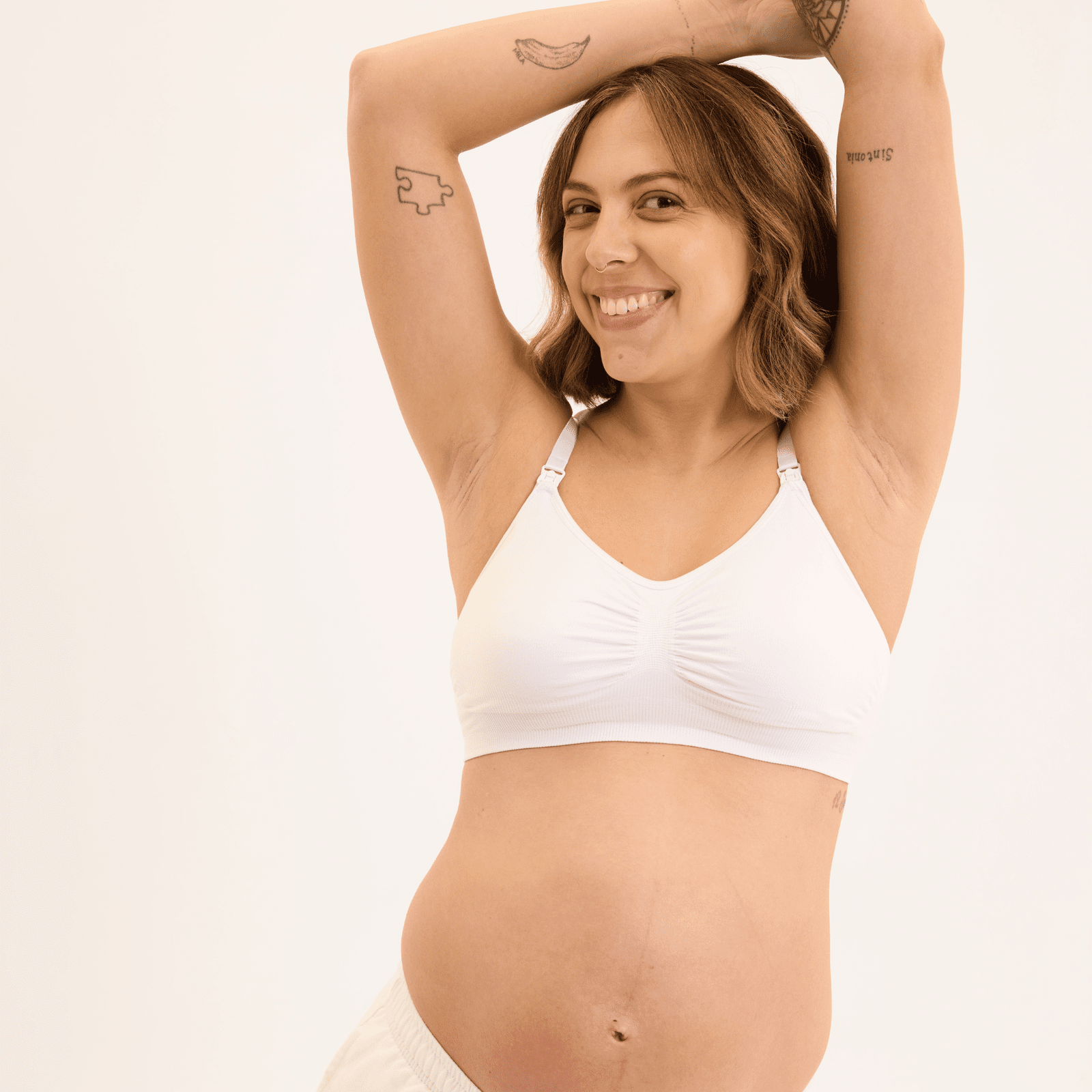
- Third trimester: growth tends to slow but doesn't always stop. Your ribcage can also expand slightly to make room for bub, which changes your band size as well as your cup.
- After birth: when your milk comes in, usually a few days after your baby arrives, your breasts fill further and can feel heavy, firm and much fuller than they did the day before. This is a completely normal and temporary stage. [3]
So really, you're not looking at one bra size change. You're looking at a moving target that shifts at least three or four times across pregnancy and early motherhood. That's a lot to ask of a single bra.
Why do your regular bras stop working?
Underwire is the biggest issue here. A wire that once sat comfortably under your bust can start digging into swollen breast tissue, and in more advanced pregnancy, it can actually press against the diaphragm area, which is uncomfortable and unhelpful when your lungs are already working around a growing bump.
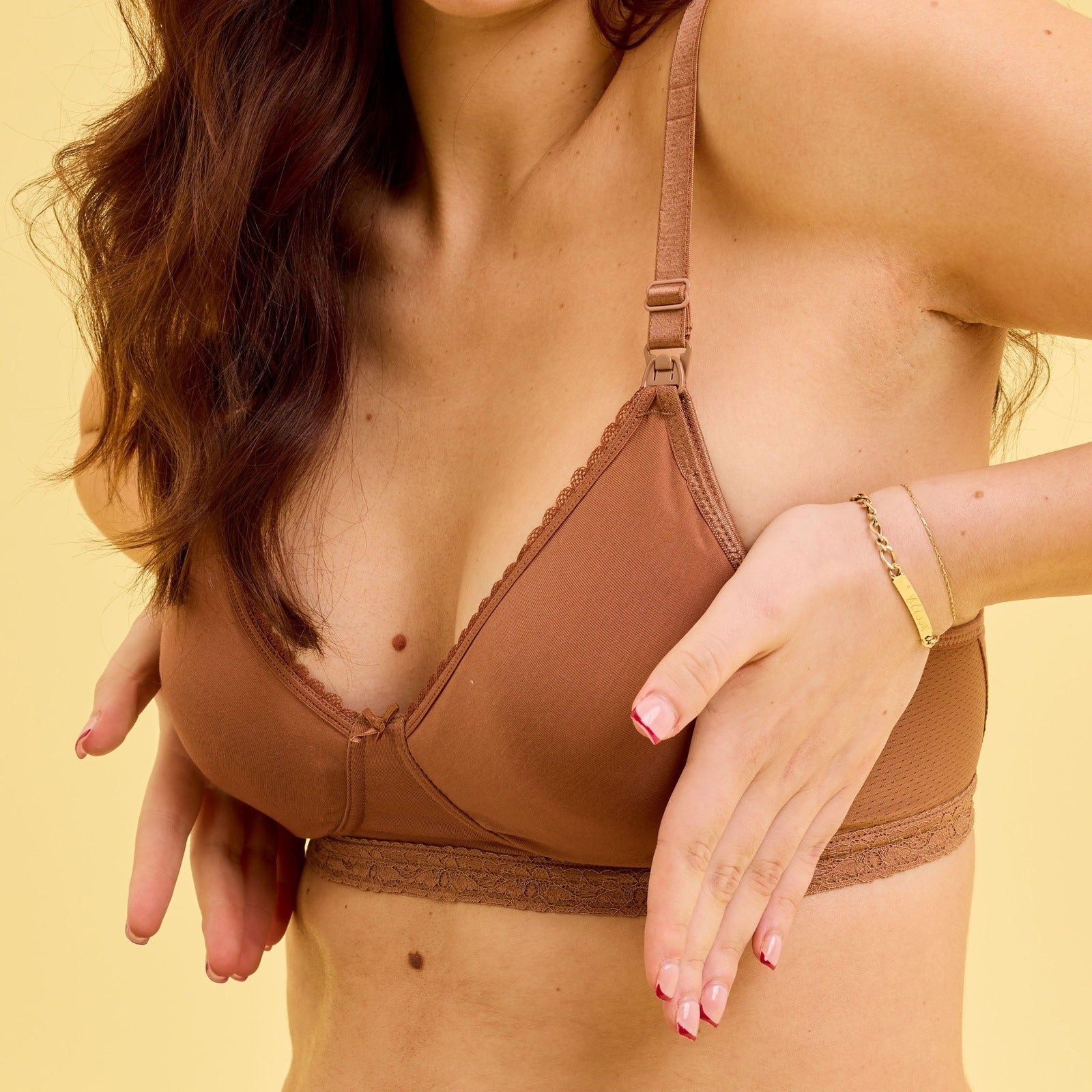
This is exactly why maternity bras are built without wire, with wider bands and softer, stretchier cups that move with you instead of fighting against you. If you're still wearing your pre-pregnancy bras and starting to feel that pinch, it's worth having a look at the maternity bras range rather than pushing through in something that no longer fits the job.
"Amazing"
I have been living in this bra post partum and it is supportive and so easy to breast feed with. It grows with my fluctuating breast size and it even fits wearable pumps in it with no issues!
— Angela J, Everyday Maternity Bra
When should you actually remeasure?
There's no single magic week. Every mum's timeline looks a little different. But there are some honest signs it's time to stop ignoring the discomfort and get remeasured.
- The band digs in, rides up at the back, or leaves marks that last more than a few minutes
- You're using the last hook on your current bra and there's nowhere left to go
- The cups gape, or you're spilling over the top
- You've noticed tenderness that feels linked to the fit rather than just pregnancy hormones
- You're heading into a new trimester and haven't checked your size since the last one
A good rule of thumb, straight from the New Beginnings customer care team: check in every trimester, and again once your milk comes in after birth. Your body isn't done changing just because the bump has arrived.

What should you actually measure, and how?
If it's been a while, here's the simple version.
- Band size: wrap a tape measure directly underneath your bust, where the band of your bra would sit. It should feel snug but you should still be able to breathe comfortably.
- Cup size: measure around the fullest part of your bust, keeping the tape level and parallel to the floor.
Sizing is based on your pre-pregnancy bra size rather than a fresh measurement at every stage, because our UGrow™ technology is built specifically to flex and grow with you across several cup sizes. That means one well-fitted bra can genuinely carry you through more of the journey than a standard bra ever could, without needing to be replaced every few weeks. If you're between sizes, it's worth trying both your usual size and one up to see which feels better on your body.
For a full breakdown by stage, our guide to choosing the right maternity bra walks through what to look for at each point in the journey, so you're not guessing.
What should be in your fit toolkit?
If you're not sure where to start, this is the shortlist worth knowing about.
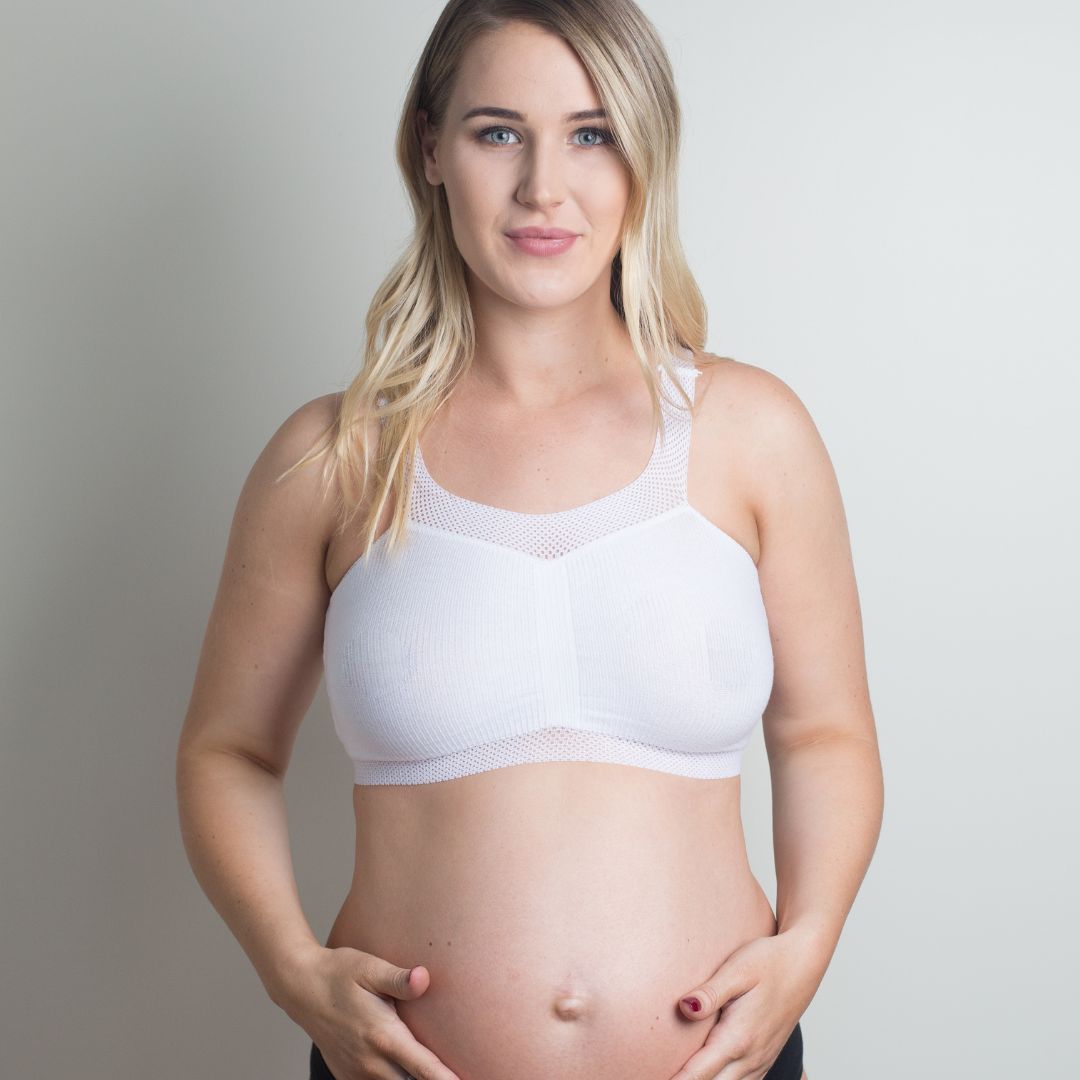
- Everyday Maternity Bra: a full-support, everyday option with UGrow™ technology, ideal if you have a fuller bust and want coverage that lasts from bump to feeding.
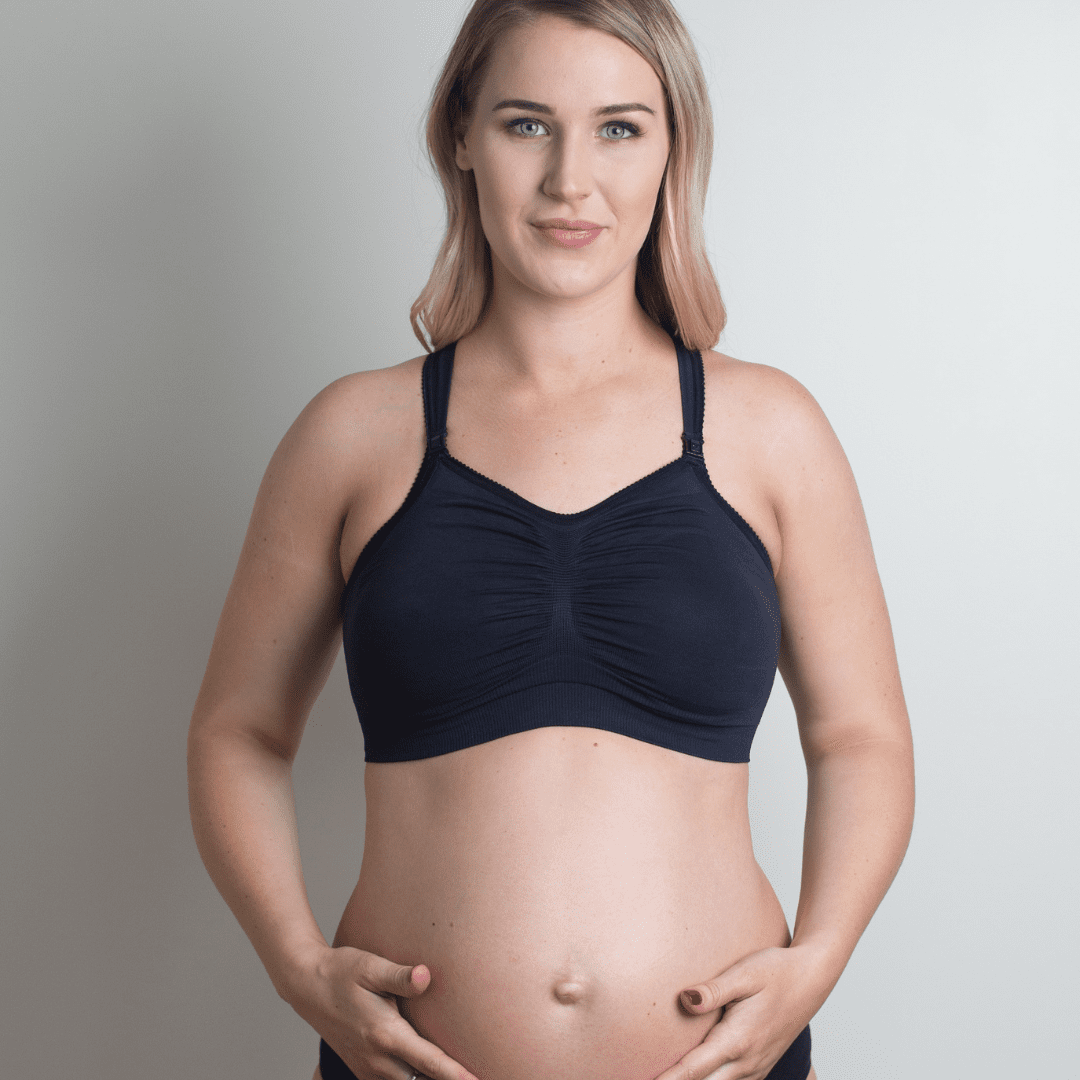
- Diamond Breastfeeding Bra: the most loved style for a reason, with lightly moulded soft cups and one-handed drop-down access for easy nursing later on.
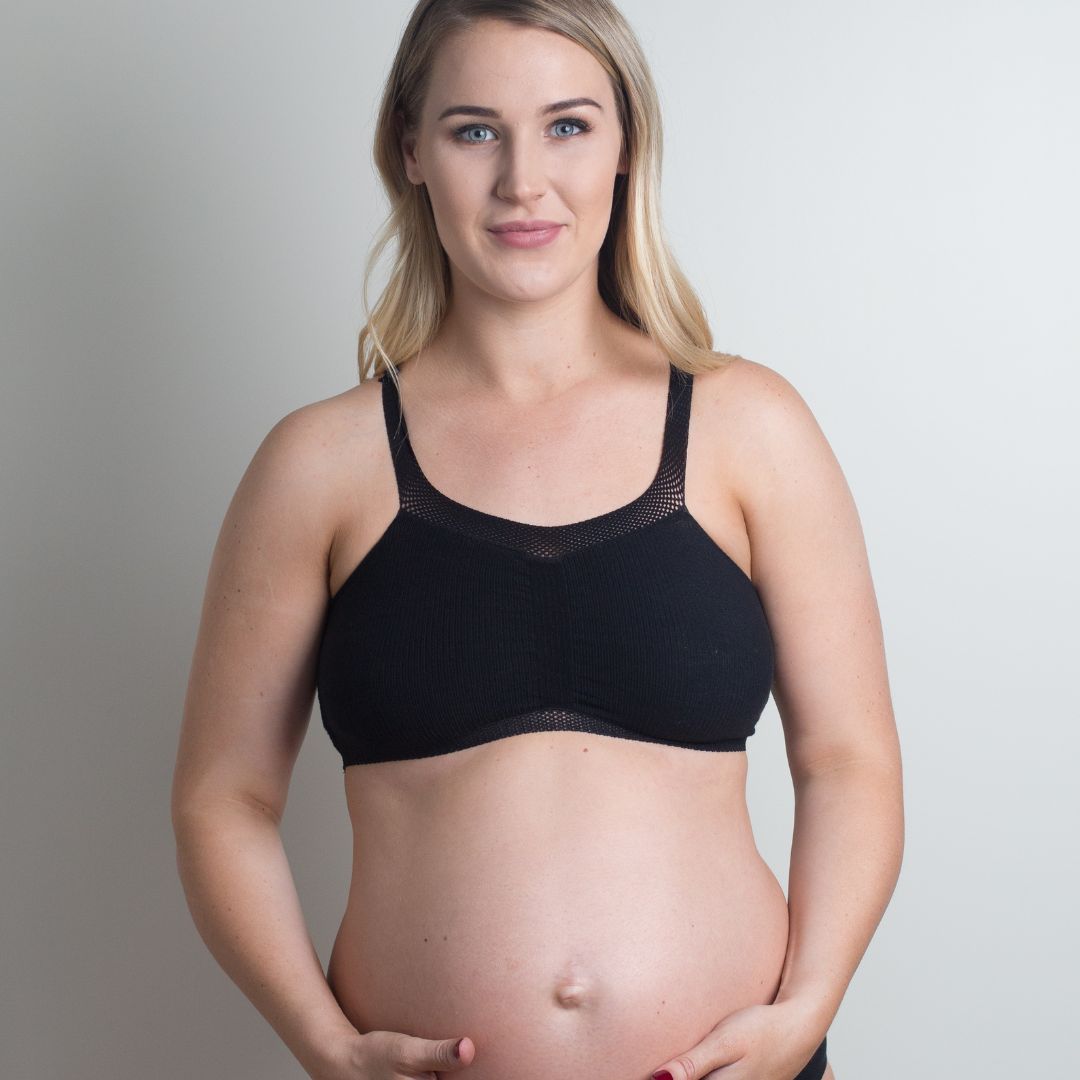
- Active Maternity Bra: built for movement, with moisture-wicking fabric if you're still exercising or just want something supportive to sleep in.
- UGrow™ Technology bra: the fabric behind all of it, designed to flex with your changing shape instead of locking you into one fixed size.
Why don't you need to have this figured out alone?
If you've been putting up with a bra that doesn't fit because you assumed it was just part of pregnancy, please don't. Discomfort isn't something you need to earn your way through. Your body is doing something genuinely remarkable, and it deserves support that actually keeps up with it.
Ready to check where you're at? Have a look through our maternity bras range and find something built to grow with you, not something you'll be replacing again in six weeks.
However this stage of your pregnancy is looking for you, you're doing it right. Bra size changes, bump size changes, none of it is a reflection of how well you're managing. It's just your body, quietly getting ready for the biggest job it's ever done.
Related Reads
More from the Spill the Milk blog:
- Navigating Maternity Bras: Exploring Six Essential Types
- How to Choose the Best Nursing Bra in Australia
- Understanding the Transition Bra
- Your Guide To Maternity Bras
- Why UGrow™ Maternity Bras

Frequently Asked Questions
1. How many times will my bra size change during pregnancy?
Most mums go through at least three noticeable shifts, one in each trimester, plus another change once your milk comes in after birth. Everybody's timeline is different, so use comfort as your guide rather than a set week on the calendar. Read more about our guide to maternity bras here.
2. When should I buy my first maternity bra?
There's no single right time. Some mums switch as early as the first trimester because of tenderness, while others wait until their regular bra starts to feel restrictive in the second trimester. If your current bra is uncomfortable, that's your sign, not a specific week. Have a browse of the maternity bras range when you're ready.
3. Should I size up or stick with my measurements if I'm in between sizes?
Try both. Because New Beginnings bras use UGrow™ technology to flex across several cup sizes, either option can work, it really comes down to whether you prefer a slightly looser or firmer fit as your body continues to change.
4. Why does underwire feel so much worse during pregnancy?
As your breast tissue grows and becomes more sensitive, wire that once sat comfortably can start pressing into tender areas and, in later pregnancy, against the diaphragm. This is why maternity bras are designed wire free from the outset.
5. Will my breasts change again after I give birth?
Yes. When your milk comes in, usually within the first few days after birth, your breasts can become fuller, firmer and more sensitive for a period of time. This is temporary and completely normal, though it's worth checking your fit again once you're through those first few days.
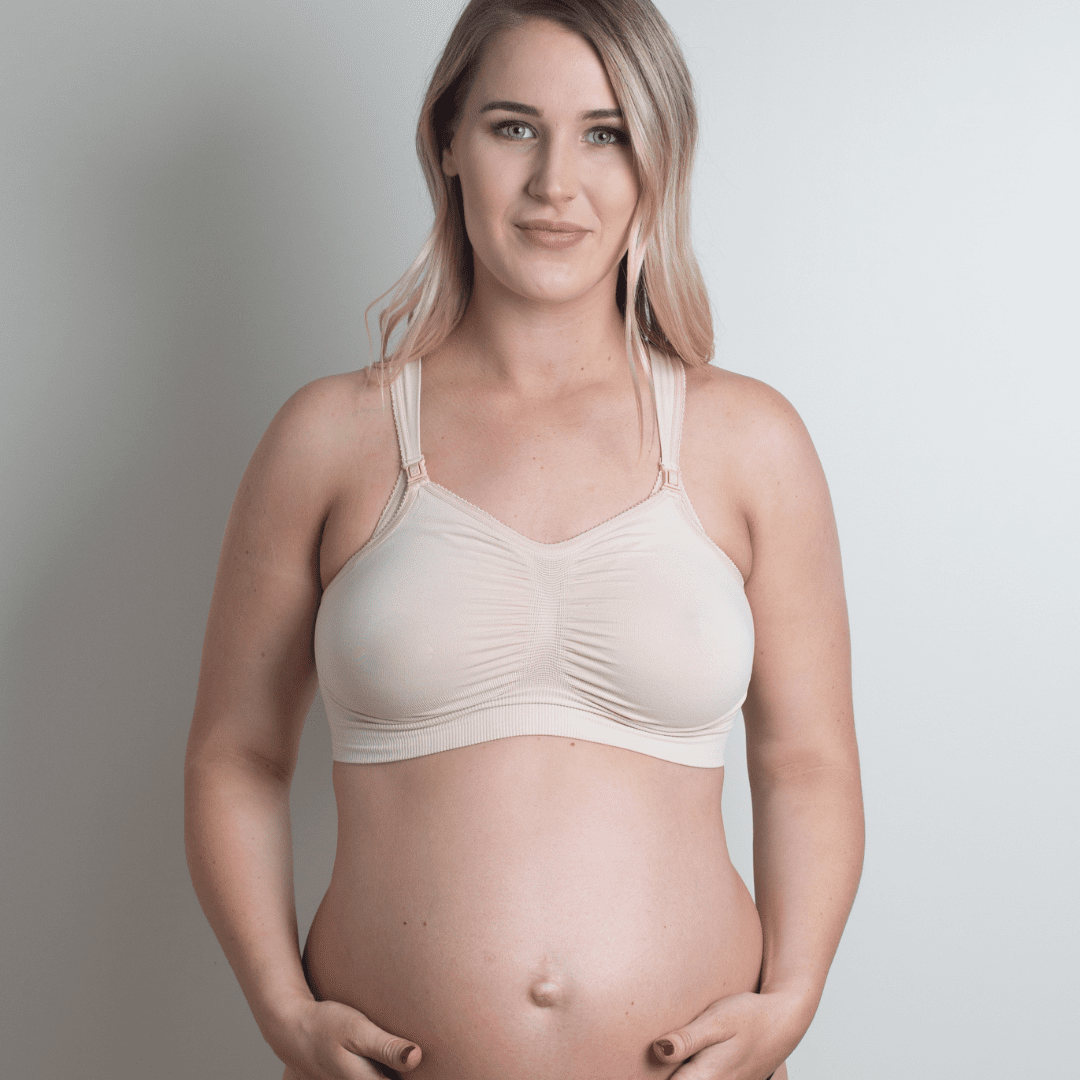
This is exactly the stage our Easy Feeding Transition Bra was designed for. With a practical cross front design, it makes breastfeeding effortless while still offering medium support for all day comfort, so you're not choosing between an easy latch and actually feeling held.
6. Do I need to buy a whole new bra every time my size changes slightly?
Not necessarily. UGrow™ technology is specifically designed to flex and adapt across a range of cup sizes, so one well-fitted bra can often see you through multiple stages. That said, if the band feels wrong or you're maxed out on hooks, it's time to check your size properly rather than pushing through.