I once threw out a full bottle of expressed milk because it had been out of the fridge for ninety minutes, and I was convinced it was "off." My mother-in-law watched me tip liquid gold down the sink and gently asked where I'd read that rule. I couldn't actually tell her. I just knew it, the way you know things when you're sleep-deprived and terrified of getting it wrong.
Turns out I was following a rule that didn't exist. And I'm willing to bet you've followed a few of these too.
Breast milk storage is one of those topics where the advice you hear from your aunty, your antenatal group chat, and the actual guidelines can all say wildly different things. Some of it's outdated. Some of it's genuinely important. And some of it is just... fine, despite what the group chat says.
Here's the honest, no-shame breakdown.
The Room Temperature Myth That's Stressing Everyone Out
The myth: Breast milk goes off within an hour at room temperature, no exceptions.
The truth: Freshly expressed breast milk stored in a clean, sealed container is fine at room temperature (26°C or below) for six to eight hours. That's according to the Australian Breastfeeding Association's current storage guidance, reproduced from the official NHMRC Infant Feeding Guidelines, not a guess, and not "if you're lucky." [1]
Six to eight hours feels enormous when you've spent your whole postpartum period being told the opposite. It makes more sense once you know breast milk has natural antibacterial properties that slow bacterial growth on its own, part of what makes it so clever in the first place. [2]
If a fridge is within reach, it's still worth using it. But if you've genuinely left a bottle sitting on the bench for two or three hours while you did approximately nine other things, you haven't ruined it. That's well inside the window. And if you're still working out your pumping routine, our ultimate guide to choosing a breast pump is a good place to start before you're even at the storage stage.
The window shortens once milk has already been refrigerated. Once it's chilled, keep it chilled, don't let it sit back out at room temperature for hours on end. Different situation, different rule, which is exactly how myths like the one-hour version get started.
"Never Refreeze, Never Reheat Twice" Is Actually True
Not every rule you've heard is outdated. Some of them are just correctly strict, and this is one of them.
Once breast milk has been fully thawed, don't refreeze it. And once it's been warmed, don't reheat it again. The Australian Breastfeeding Association is clear on both points, and there's no clever workaround here.
The nuance worth knowing? If milk is only partly thawed and still has ice crystals in it, it can be safely refrozen. It's fully thawed milk that's off the table. Small distinction, big difference to how much milk you actually need to tip out.

Storage Bags Aren't the Compromise You Think They Are
The myth: Proper storage means glass or hard plastic containers, and bags are a lesser, less safe option.
The truth: Purpose-made breast milk storage bags are a completely legitimate storage container, provided they're food-grade, BPA-free, and designed specifically for milk storage rather than general kitchen use.
This is where the Breastmilk Storage Bags earn their keep. They're pre-sterilised straight out of the pack, BPA-free, and built with a double zip seal specifically so leaking in the freezer isn't a thing you have to worry about. The self-standing design also means you're not trying to balance a floppy bag while you pour, which matters more than it sounds like at 6am, especially if you're already relying on a wearable pump to fit sessions in wherever you can.
So Easy To Use
The storage bags are easy to use and they are designed in a way where you can store them easily in your freezer. You can also heat the milk in these bags or heat the bottle. They are easy to use as well.
littlehandsofmine, via Breastmilk Storage Bags
The bags also make the "cool it first" rule from the next myth genuinely easy to follow, since you can label date, time and volume clearly and always know exactly what you're grabbing. If you're heading back to work, our tips for breastfeeding and returning to work has a whole system for labelling and stashing milk worth stealing. Honestly, half of getting breast milk storage right is just being able to see what you've actually got at a glance.
Sterilising Isn't Just a Newborn Thing You Can Skip Early
The myth: Once your baby is a few months old, you can stop sterilising and just wash normally.
The truth: It's important to sterilise bottle feeding equipment until your baby turns 12 months old, not just the first few weeks, because their immune system is still developing and isn't yet strong enough to fight off some infections. [3]
This is genuinely one of the more common myths, and it's an easy one to fall into once the newborn haze from the first week of breastfeeding lifts and life gets busy. It's not that sterilising becomes irrelevant, it's that exhaustion makes corners feel tempting.
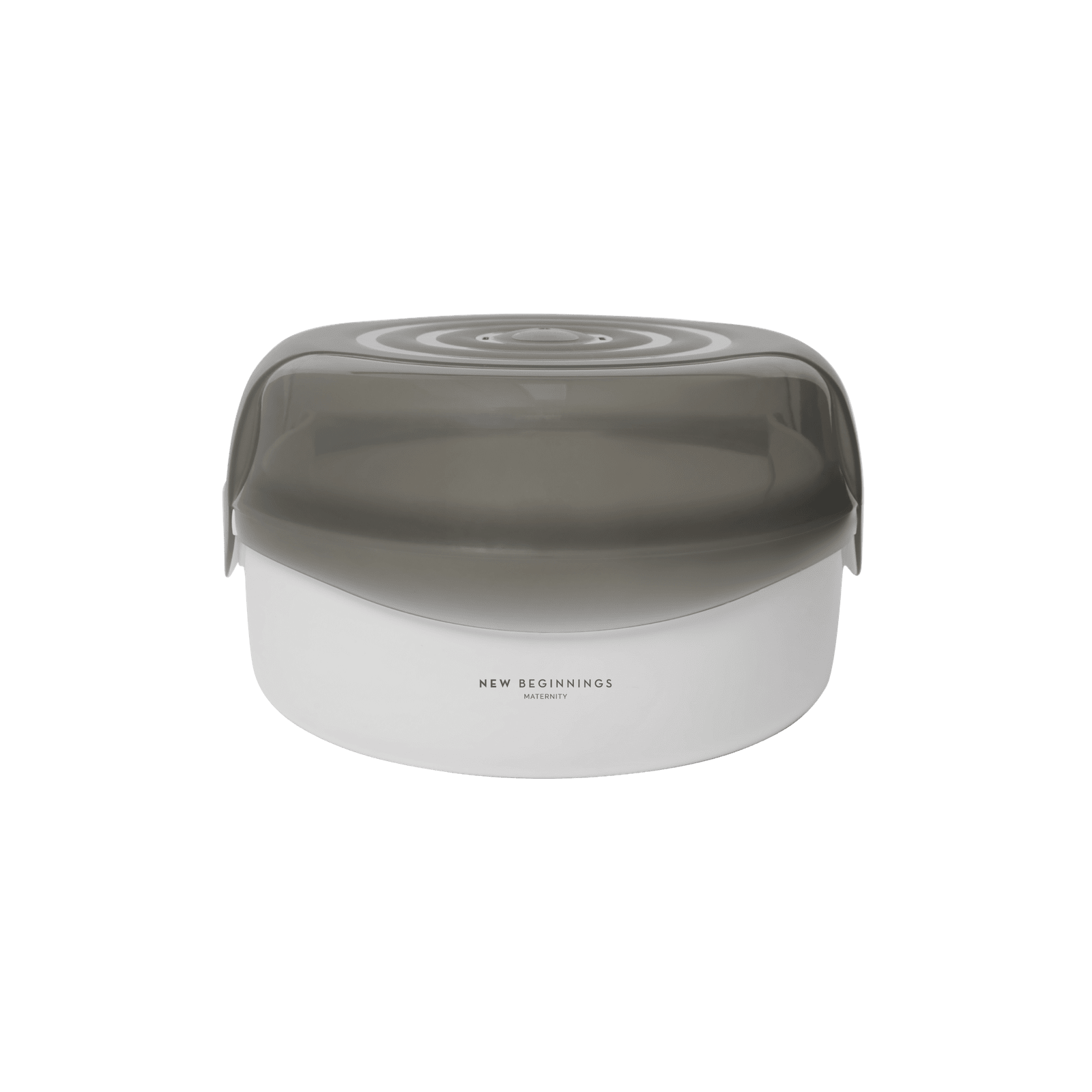
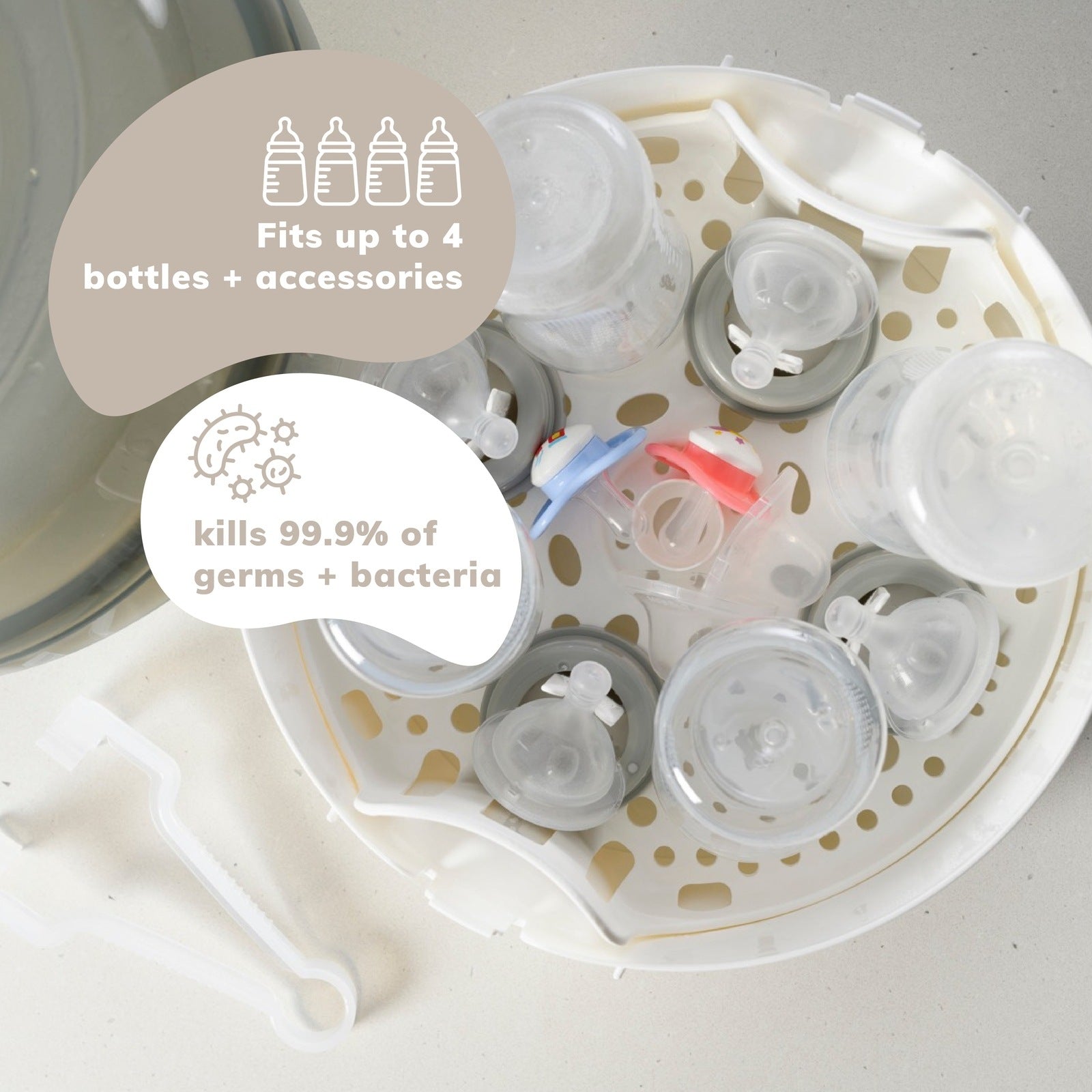
The Steam Steriliser & Bottle Warmer Kit is built to make that twelve month stretch actually manageable, not just the newborn bit. It sterilises and dries in one cycle using natural steam, fits up to six bottles at once, and the built in warmer doubles as a way to gently bring milk up to temperature without hot spots or nutrient loss from microwaving. Basically, it does the boring bit so you don't have to think about it at 2am.

Frozen Milk Doesn't Last Forever: The Real Breast Milk Storage Timeline
The myth: Once it's frozen, it's basically preserved indefinitely.
The truth: Storage time depends entirely on where in the freezer it's sitting, and there are three different answers, not one.
- Freezer compartment inside your fridge: around two weeks
- Freezer section with its own door: around three months
- A genuine deep freezer sitting at minus 20°C or colder: six to twelve months
Three totally different timelines depending on your setup, which is exactly why "it's frozen, it'll be fine" isn't actually a plan.
The back of the freezer, away from the door, is always the coldest and most stable spot. That matters more than most people realise when a freezer door gets opened fifteen times a day for ice and forgotten leftovers.
Mixing Warm Milk and Cold Milk Straight Together
The myth: It's fine to top up a bottle of chilled milk with freshly expressed warm milk.
The truth: Cool the fresh milk in the fridge first, then add it to milk that's already chilled or frozen. Mixing warm milk directly with cold milk can partially warm the whole batch, which isn't the food safety win it might feel like in the moment.
It's a small extra step, but it's the difference between doing it right and accidentally undoing your own careful breast milk storage.
Most of the fear around breast milk storage comes from good intentions and bad group chat advice, not from you doing anything wrong. Some rules are stricter than you think, some are far more forgiving, and knowing the difference means less unnecessary waste and a lot less 2am panic.
If you want to make the whole system easier on yourself, our breast milk storage range has the bags, the steriliser, and everything in between already sorted.
You're not failing if you didn't know the six to eight hour rule, or if you've been quietly refreezing partially thawed milk without realising it was fine all along. You're just working with information that's been passed down a very long, very tired game of telephone. Now you've got the actual answers.
And if you're mixing breast milk with bottle feeds, our piece on glass bottles for mixed feeding covers why the container you pour it into matters just as much as how you store it.

Related Reading
More from the Spill the Milk blog:
FAQs About Breast Milk Storage Myth
How long can breast milk sit out at room temperature?
Freshly expressed breast milk stored in a sealed container is fine at room temperature, around 26°C or below, for six to eight hours. If a fridge is handy, it's still worth using it, but you haven't ruined anything by leaving a bottle out for a couple of hours.
Can you refreeze breast milk after it's thawed?
Only if it's still partly frozen with ice crystals present. Once breast milk has fully thawed, it shouldn't be refrozen. Our breast milk storage range has everything you need to keep track of what's been thawed and what hasn't.
Is it safe to use breast milk storage bags instead of bottles?
Yes, as long as they're purpose-made for breast milk storage, BPA-free, and food-grade. Our Breastmilk Storage Bags are pre-sterilised and designed specifically for this, with a leak proof double zip seal.
Do I need to keep sterilising bottles after the newborn stage?
Yes. It's recommended to sterilise bottle feeding equipment until your baby is 12 months old, not just in the early weeks. The Steam Steriliser & Bottle Warmer Kit makes that longer stretch far easier to keep up with, well past the first week (read more about what to expect during the first week of breastfeeding).
How long does breast milk last in the freezer?
It depends on where it's stored. In the freezer compartment of your fridge, aim to use it within two weeks. In a freezer section with its own door, around three months. In a separate deep freezer at minus 20°C or colder, it can safely last six to twelve months. Our feeding products range has bags built for exactly this kind of labelling.
Can I mix freshly expressed milk with milk that's already chilled?
Yes, but cool the fresh milk in the fridge first before combining it with milk that's already chilled or frozen, rather than mixing it in warm. Labelling your storage bags as you go makes this much easier to keep straight.
Can I reheat a bottle of breast milk more than once?
No. Once breast milk has been warmed, don't reheat it again. If your baby doesn't finish it, any leftover milk from that feed should be discarded rather than saved for later, which is one more reason material choice in bottles matters as much as how you store it.