Okay, let's be real. Postpartum is not a spa day. It is more like a marathon with a tiny, adorable dictator who has no concept of business hours. But here is something no one tells you loudly enough before you leave the hospital: hot and cold therapy is one of the simplest, most accessible tools you have for feeling more human in those first weeks.
Not a fad. Not a luxury. An actual, evidence-backed way to ease the very real discomforts of a body that has just done something extraordinary.
This is your no-fluff guide to how it works, when to use heat, when to reach for cold, and which products are worth having ready before baby arrives.
Why Hot and Cold Therapy Actually Works
The science behind it is surprisingly straightforward. Cold therapy, or cryotherapy, works by constricting blood vessels, which reduces swelling, numbs pain, and calms inflammation. Heat therapy does the opposite: it dilates blood vessels, increases circulation to an area, relaxes muscles, and promotes healing over time.
In the postpartum context, that means you have two different tools for two different jobs, and knowing which to reach for (and when) makes all the difference.
Research backs this up. A 2020 systematic review and meta-analysis published in the journal Midwifery, covering 11 studies and 1,492 participants, found that cryotherapy significantly reduced perineal pain two days after birth, with both ice packs and gel packs producing similar pain-relieving results. A separate randomised controlled trial found that cold gel pad application reduced pain scores from an average of 6.73 out of 10 down to 2.59 out of 10 in postpartum women after just two applications. That is a meaningful reduction, with no medication involved.
The Pregnancy, Birth and Baby resource from Healthdirect Australia recommends applying a cold pack to the perineum for 10 to 20 minutes every two hours in the first two days after birth, particularly following perineal tears or episiotomy. This is a standard, midwife-supported approach to postpartum pain management, not just a nice-to-have.

When and Where to Use Cold Therapy
Cold is your best friend in the first 24 to 72 hours after birth, and often well beyond that. Here is when it earns its place:
Perineal pain and swelling
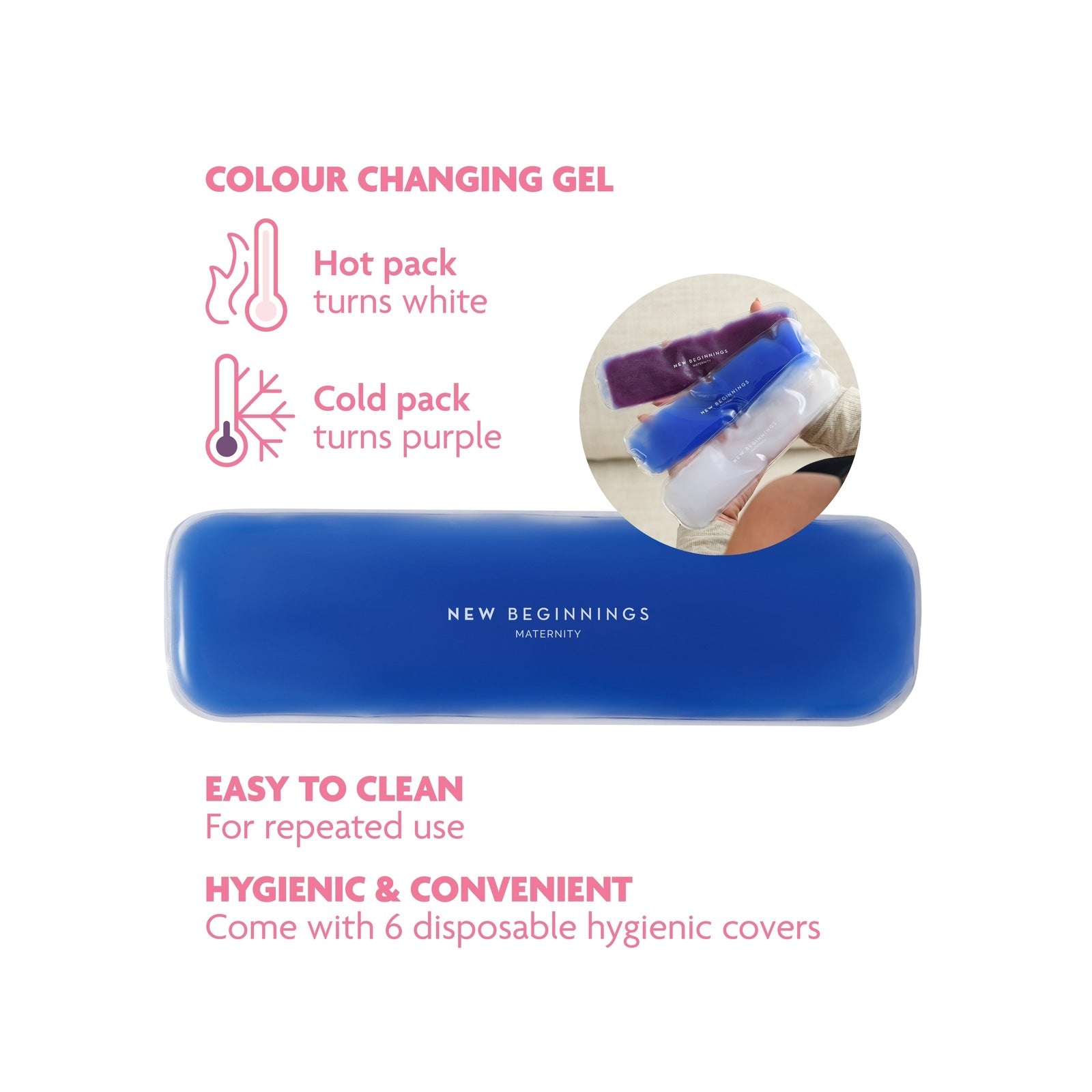
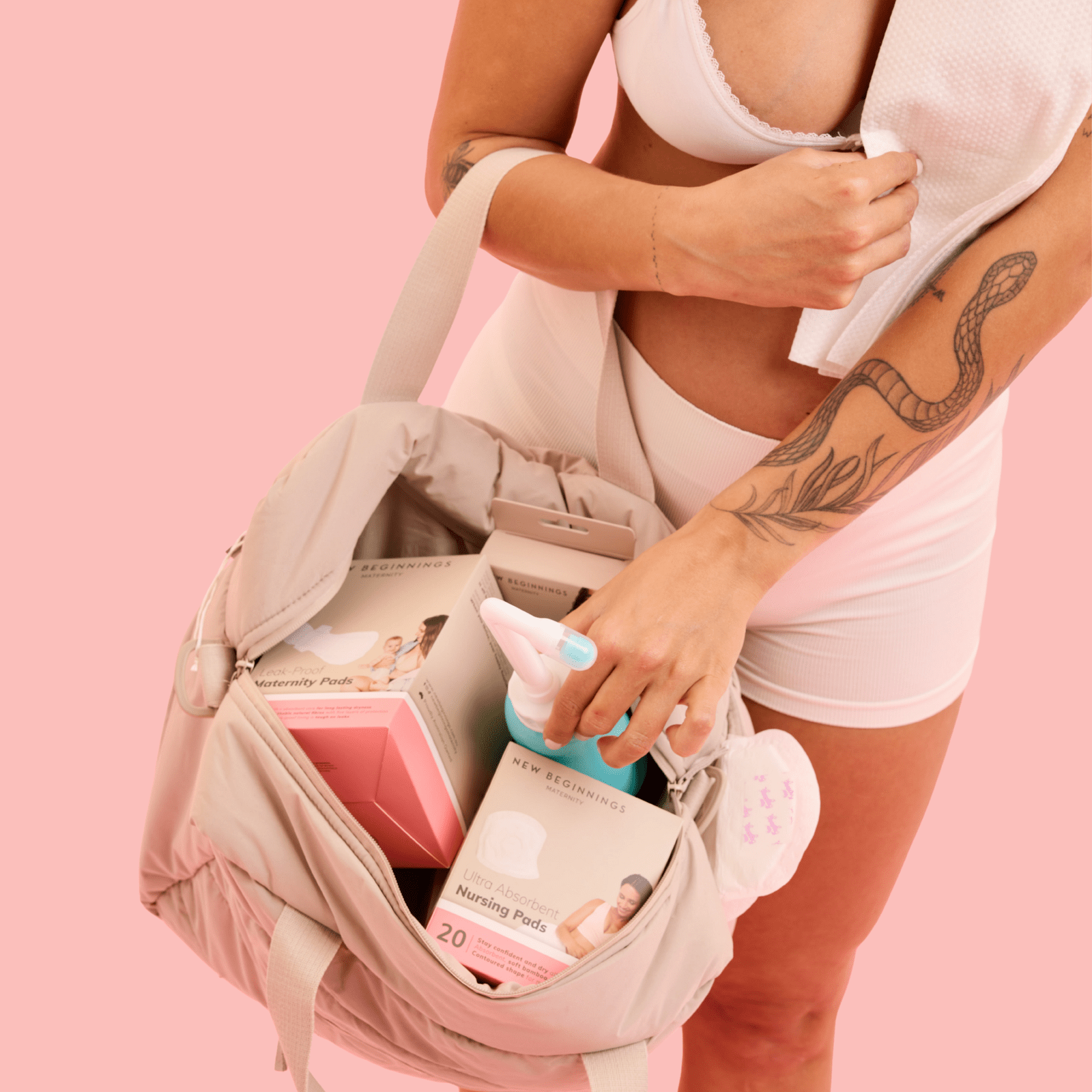
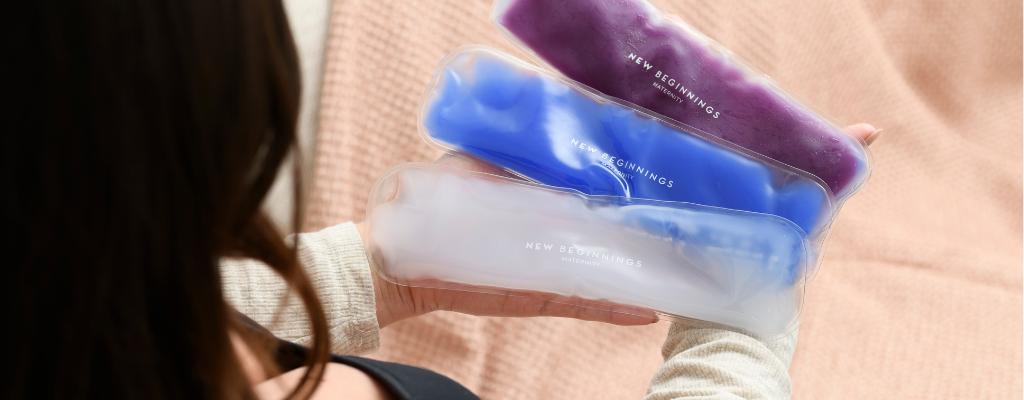
Whether you had a tear, an episiotomy, or an intact perineum, the perineal area takes a significant stretch during birth. Swelling and bruising are common, and cold therapy is one of the most effective non-pharmacological ways to manage both. Apply a cold pack (always wrapped in a soft cover, not directly on skin) for up to 20 minutes at a time. The New Beginnings Postpartum Hot+Cold Pack includes 12 hygienic disposable covers and a slimline design that sits comfortably inside postpartum underwear, even over a c-section scar.
Haemorrhoids
Common in pregnancy and often aggravated by pushing during labour, haemorrhoids respond well to cold therapy. Applying cold to the area can reduce inflammation and provide real, immediate relief.
Breast discomfort and engorgement
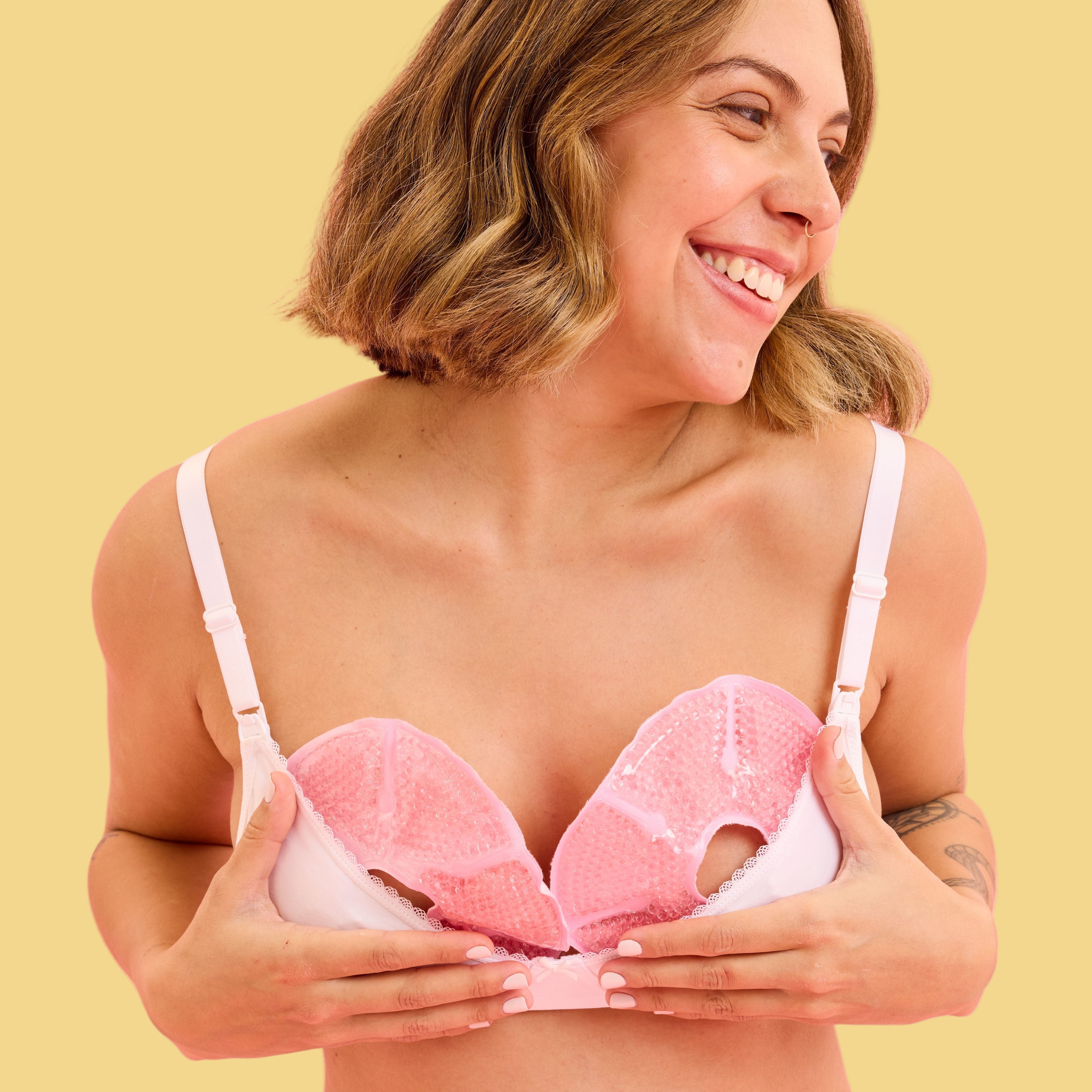
When your milk comes in (usually around day two to four), your breasts can become hard, swollen, and tender. Cold compresses applied after feeding can ease that engorgement discomfort and provide relief between feeds. The New Beginnings Aqua Gel Breast Pads stay cool three times longer than standard gel pads and are shaped to sit comfortably against the breast.
When to Switch Things Up to Heat Therapy
Once the acute swelling phase has settled (typically after the first couple of days), warmth becomes your ally. Heat encourages blood flow back to healing tissue, relaxes tight muscles, and, in the case of breastfeeding, can help get things moving.
Uterine cramping
The cramping your uterus does as it contracts back down to size is very real and can be surprisingly intense, especially from the second or third baby onwards. Gentle heat applied to the lower abdomen provides noticeable relief. A warm pack or heat pad works well here.
Muscle soreness
Labour is physical work. Even if everything went smoothly, your back, hips, thighs, and shoulders may be feeling it. Heat therapy soothes aching muscles in a way that cold simply cannot.
Before breastfeeding, to encourage milk flow
A warm compress applied to the breast for a few minutes before a feed can help soften the tissue, support let-down, and make latching more comfortable. This is particularly helpful in the first week when supply is establishing. The New Beginnings Breast Care Hot+Cold Pack is designed specifically for this. Use it warm before feeds and cool after to manage engorgement and mastitis discomfort.
Amy, a first-time mum who used the Breast Care Hot+Cold Pack, shared: "When I started to feel my breasts becoming sore just before my milk came in, I used these packs on heat to help support the easing of pain and the flow. The relief was beautiful. I recommend having one pack for heat always, and one in the freezer. You cannot have enough packs, really."
When To Use Both Together
For breast engorgement specifically, the most effective approach combines both therapies: apply warmth before a feed to encourage let-down and milk flow, then use cold after the feed to reduce inflammation and swelling. According to the Pregnancy Birth and Baby, many mums find cold compresses on the breasts particularly helpful before and after feeding in those early days.
The same principle applies to perineal care as your recovery progresses: cold for the early days to manage acute swelling, and warmth later (via a warm sitz bath, for example) to support tissue healing and circulation.
Safety First: A Few Important Guidelines
Hot and cold therapy is gentle and safe when used correctly. A few things to keep in mind:
- Always place a cloth or disposable cover between your skin and the pack, never apply directly
- Limit each application to 15 to 20 minutes at a time
- Allow skin to return to normal temperature between applications
- Avoid extreme temperatures at all times, both heat and cold should feel comfortable, never painful
- If you experience increased pain, signs of infection (redness, heat, fever, discharge), or anything that concerns you, contact your midwife or GP straight away

Beyond Physical Relief
While hot and cold therapy is excellent for managing physical discomfort, overall well-being and postpartum care must be prioritised. Adequate rest, nutrition, and support from loved ones are crucial for a smooth postpartum recovery. Understanding what other women are going through in their postpartum journey can be helpful. For advice and support, have a read of our Navigating Baby Blues & Postpartum Depression blog.
Remember, every woman's postpartum experience is unique. What works for one may not work for another. If you experience persistent or severe pain, consult your healthcare provider for appropriate evaluation and treatment.
In the meantime, give yourself some credit and treat yourself to a little hot or cold pampering. Your body deserves it!
Now, go forth and conquer the world (or at least the world of baby care) with your newfound pain-relief superpowers and enjoy this special time with your baby.
Related Reads You Might Find Helpful
- Our Top Recommended Postpartum Essentials
- Breast Engorgement: Causes, Symptoms, and Relief
- Top Postpartum Self-Care Tips for New Mums
- Essential Care Packs for New Mums
Frequently Asked Questions
When should I use cold versus heat after birth?
As a general guide, use cold therapy in the first 24 to 72 hours to manage acute swelling, bruising, and perineal pain. After the initial inflammation has settled, warmth becomes more useful for promoting circulation, easing muscle soreness, and supporting tissue healing. For breastfeeding, use heat before feeds to encourage milk flow and cold after feeds to reduce engorgement discomfort. Always follow your midwife or healthcare provider's specific advice for your birth and recovery.
How long should I apply a cold pack to my perineum?
Research and Australian clinical guidance both suggest applying a cold pack for 10 to 20 minutes at a time, up to every two hours in the first couple of days following birth. Always use a soft cover or disposable liner between the pack and your skin, and allow your skin to return to normal temperature before reapplying. The New Beginnings Postpartum Hot+Cold Pack includes disposable hygiene covers specifically for this purpose.
Can I use heat and cold therapy after a c-section?
Yes, with some care. Cold therapy can be helpful for managing swelling in the first days, and heat can support recovery from muscle soreness and uterine cramping. The New Beginnings Postpartum Hot+Cold Pack has a slimline design suitable for use near a c-section scar. That said, always check with your midwife or doctor before applying anything directly near your incision site, particularly in the early stages of healing.
Is hot and cold therapy safe whilst breastfeeding?
Yes. Both hot and cold therapy are safe to use whilst breastfeeding and do not affect milk supply or safety. In fact, warm compresses before feeds are a commonly recommended way to support let-down and milk flow, and cold packs after feeds can actively help manage the discomfort of engorgement. If you have any concerns about mastitis or blocked ducts, contact a lactation consultant or your healthcare provider. You can read more in our blog on breast engorgement causes and relief.
How soon after birth can I start using hot and cold therapy?
Cold therapy can be used from the very first hours after a vaginal birth for perineal relief, and is typically recommended by midwives as part of routine postpartum care. Heat therapy is best introduced a little later, once initial swelling has settled — usually from day two or three onwards for perineal recovery, or immediately for breast and muscle care as needed. As always, follow the guidance of your care team for your specific situation, and refer to Pregnancy Birth and Baby for evidence-based postpartum wound care advice.