Nobody hands you a sterilisation manual at the hospital. One minute you're focused on feeding, and the next you're staring at a shelf of sterilising options wondering if you need a science degree to make a decision.
The good news: you don't. All the main methods work. The difference is in how they work, what they work best on, and which one is going to fit into your actual life at 3am when you need a clean bottle fast.
Let's go through each method honestly, including the tradeoffs most comparison guides skip over, so you can land on the right setup for your family without overthinking it.
Why Do You Need to Sterilise Baby Bottles at All?
Babies are not born with a fully developed immune system, which makes them significantly more vulnerable to the bacteria that can linger in feeding equipment even after a regular wash [1]. Milk residue left on bottles, teats, and pump parts creates an ideal environment for bacteria to grow quickly, even when equipment looks clean to the naked eye.
Australian health guidelines recommend sterilising all feeding equipment until your baby is twelve months old [2]. That is a long stretch, which means whatever method you choose needs to be something you can sustain, not just something that works in theory.
One rule applies across every method: always wash equipment thoroughly with warm soapy water and a bottle brush before sterilising. Sterilisation kills bacteria but does not remove milk residue. Skipping the wash first undermines the whole process.

What Is UV Sterilisation and How Does It Work?
UV sterilisation uses ultraviolet-C light to destroy bacteria and viruses at a cellular level inside a sealed chamber. No water, no heat, no chemicals. Items go in, you press a button, and the cycle completes in minutes. Because there is no moisture involved, everything comes out completely dry.
The key advantage of UV sterilisation is versatility. UV sterilisers work on far more than bottles. Dummies, pump parts, teething toys, phone screens, keys, anything that fits in the chamber can be sterilised. Many units also include a built-in drying function and a storage mode that keeps items sterile for up to 72 hours inside the closed unit, which means you can run a batch and have everything ready to go without timing it to a feed.
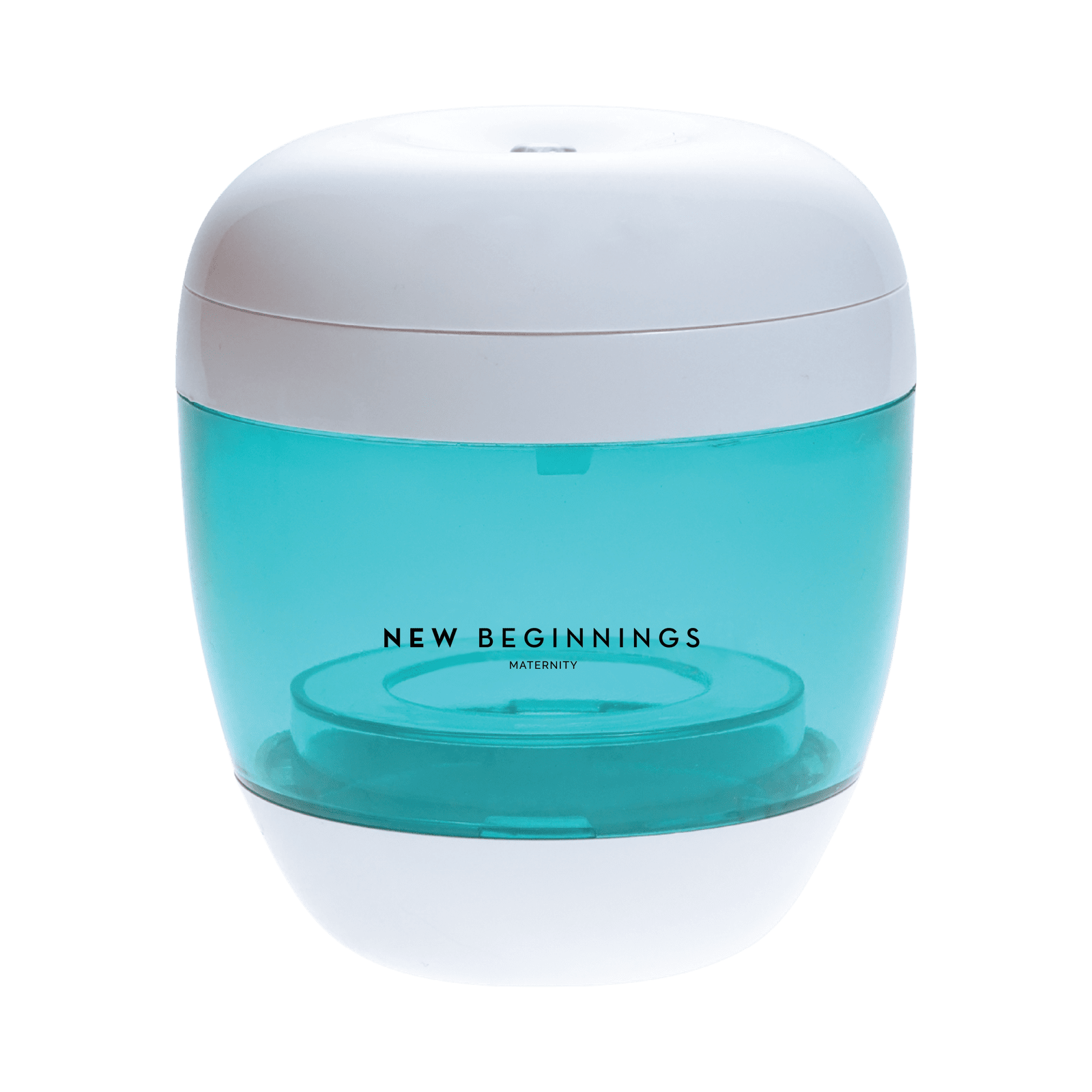
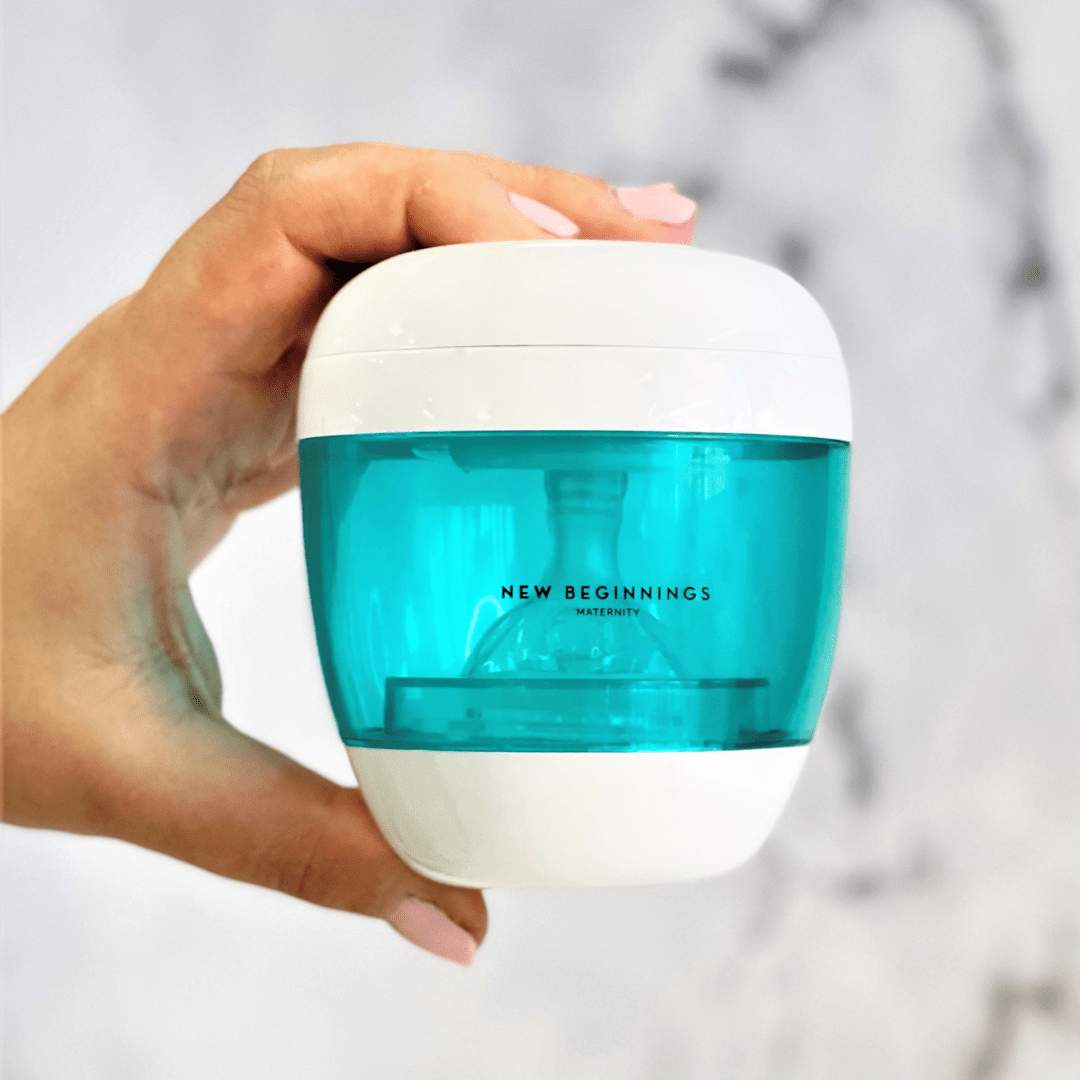
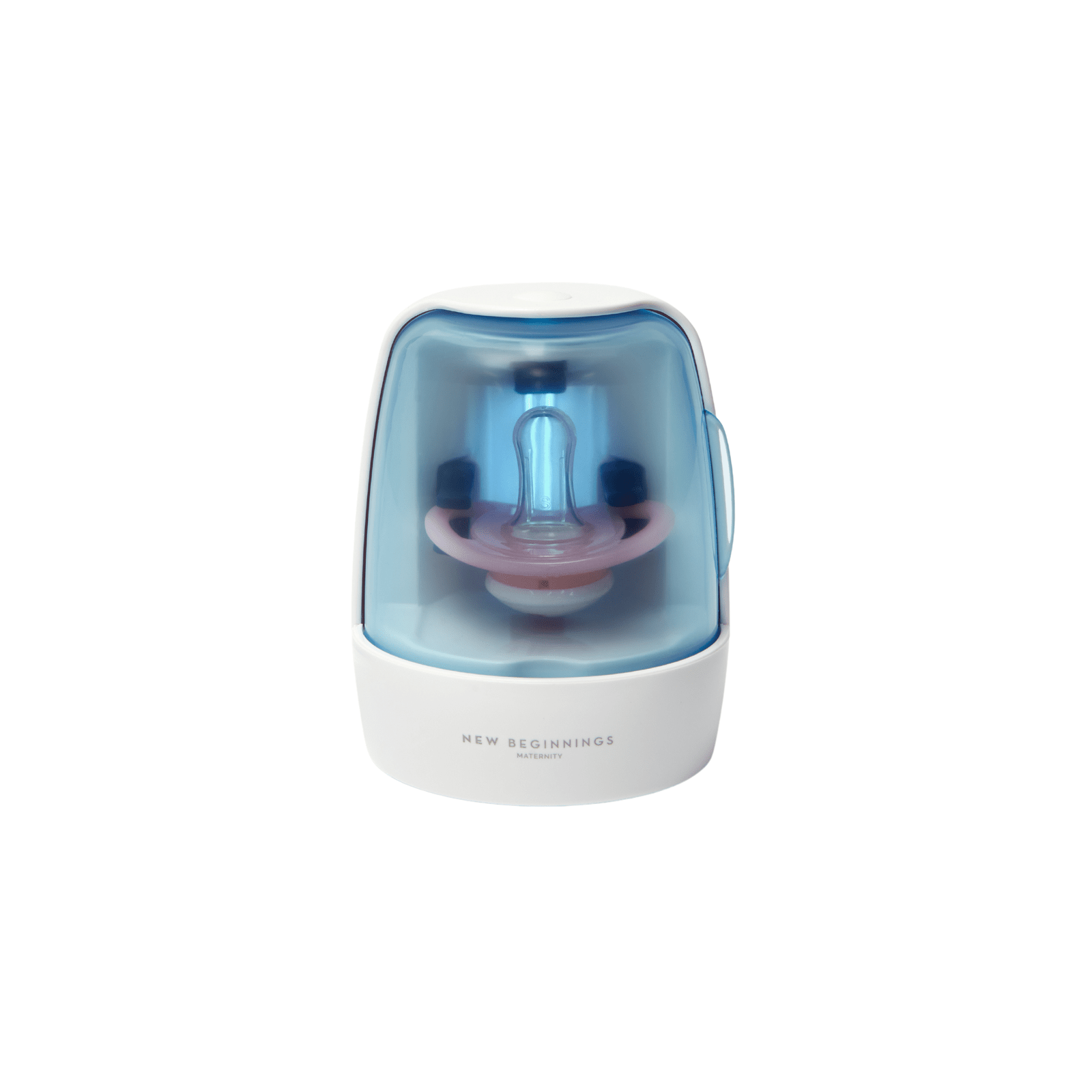
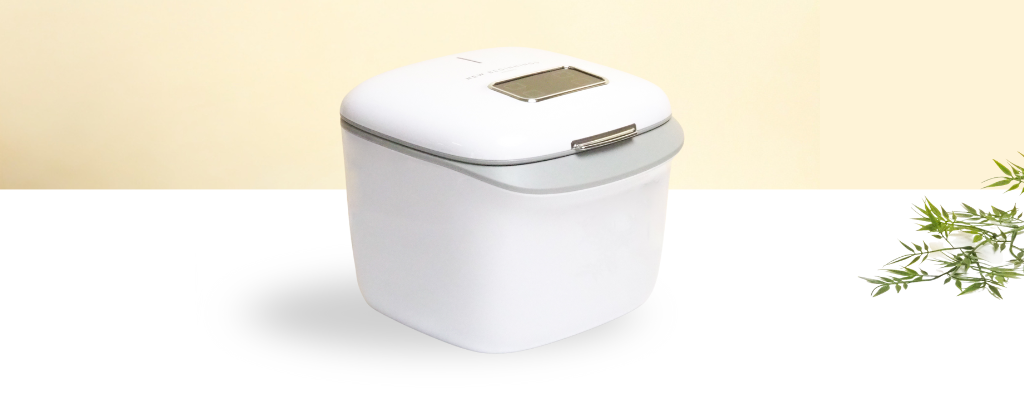
The Portable 4-in-1 UV Steriliser is built around this logic. It uses a trusted Philips UV-C globe to kill 99.9% of germs across a large capacity of up to eight bottles per cycle, with four modes including sterilise, dry, auto-run, and storage. HEPA filtration keeps the interior environment clean, and the quiet operation means you can run it during a nap without waking anyone. No descaling, no water refills, no waiting for steam to clear.
"Wish I had made the switch sooner"
This is our third baby and we decided to invest in a good UV steriliser instead of doing the old-school steam steriliser and honestly, I wish we made the switch sooner. The sterilise and dry+sterilise functions are both super handy and make cleaning bottles and dummies so simple.
Jade L., Portable 4-in-1 UV Steriliser
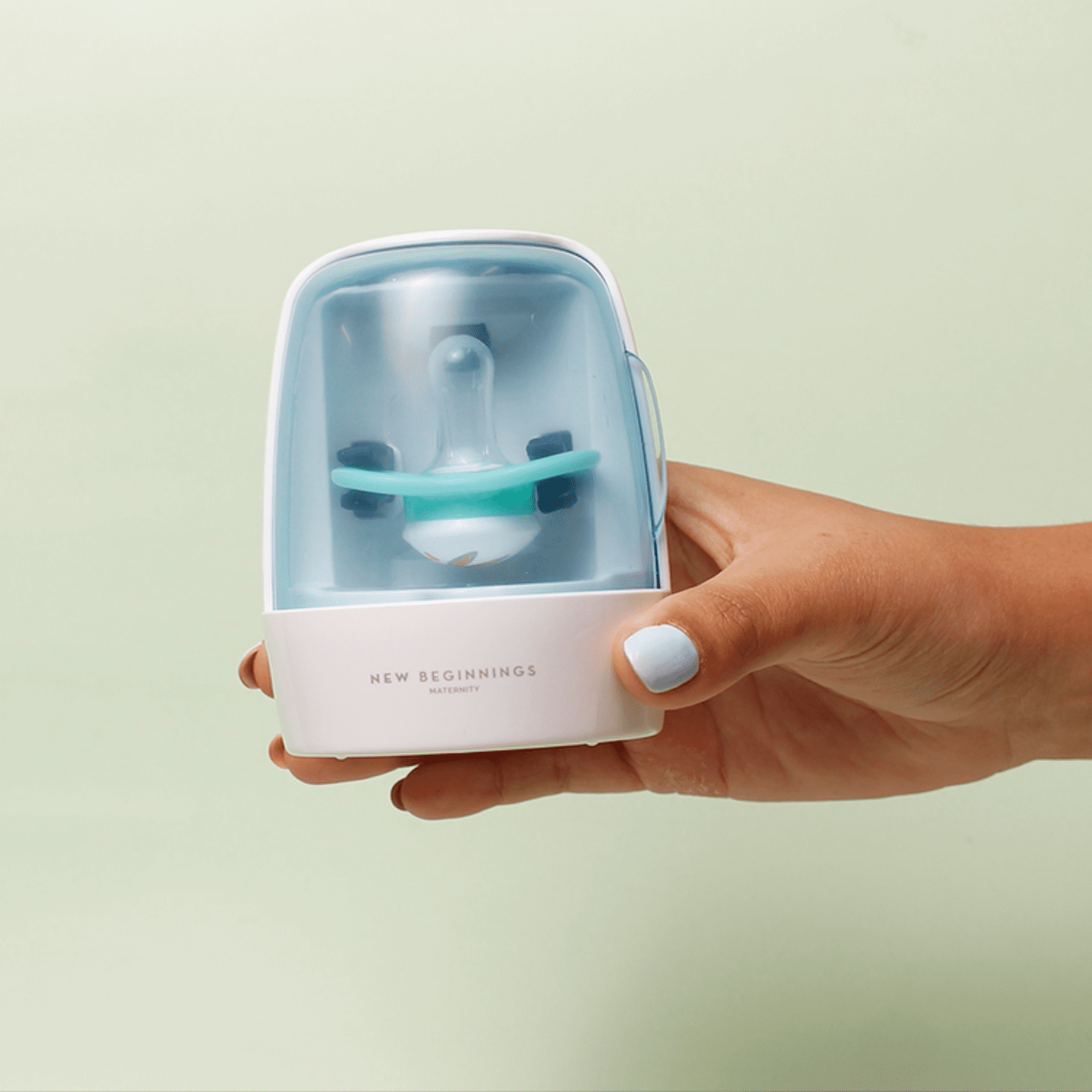
For sterilising on the go, the Portable 4-in-1 UV Steriliser is the compact version. Battery operated, fits in a nappy bag, and runs a three-minute cycle on dummies, teats, sippy cup lids, and small accessories. For the dropped dummy at a café or the pump part you need before you get home, it closes the gap without needing power or water anywhere.
What Is Steam Sterilisation and How Does It Work?
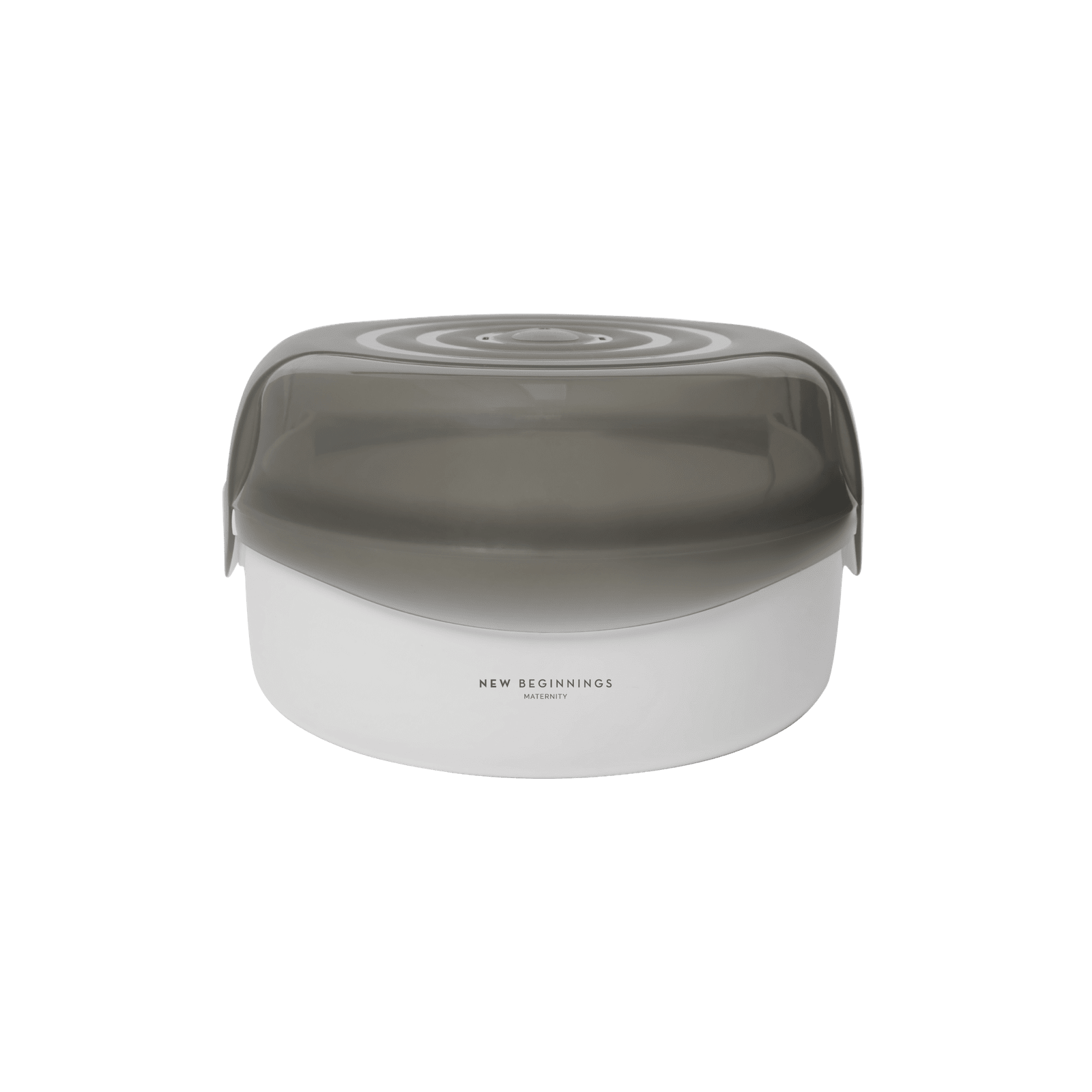
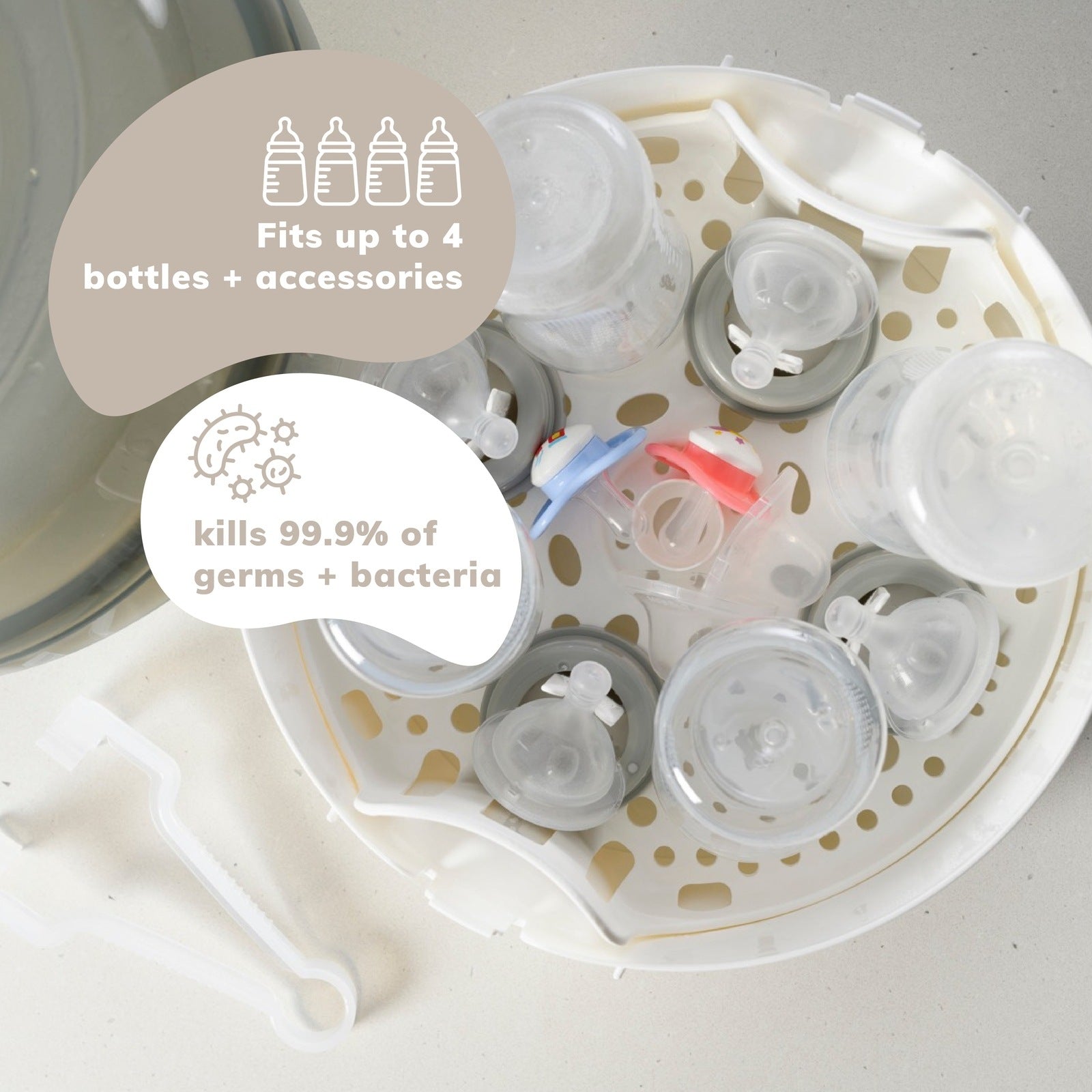
Steam sterilisers generate high-temperature steam that penetrates into every surface of bottles, teats, lids, and accessories, killing 99.9% of bacteria in a single cycle. Most electric steam sterilisers complete a full cycle in under ten minutes, making them one of the fastest home options available.
The practical advantage of steam is thoroughness. Because steam circulates around and into items rather than relying on line-of-sight like UV light, it reaches into crevices and complex shapes more reliably. For families doing multiple feeds a day with a full set of bottles, steam handles volume efficiently without any ongoing cost beyond the unit itself and occasional descaling.
Many modern steam sterilisers also include an automatic drying function, so bottles come out clean, dry, and ready to use without sitting around on a rack gathering dust.
The Steam Steriliser & Bottle Warmer Kit takes this further by combining sterilising, drying, and bottle warming in one unit. It sterilises up to six bottles per cycle using 100% natural steam with no harsh chemicals, includes automatic drying, and comes with a 3-in-1 bottle and food warmer alongside six bottles, cleaning brushes, and accessories. It is the kind of all-in-one setup that makes sense for families who want everything covered from day one without piecing together separate products.
"A total game-changer for busy mums"
The New Beginnings Steam Steriliser & Dryer + Bottle Warmer Kit is a total game-changer for busy mums. It's easy to use, with a simple dial that switches between functions, making feeding time stress-free. The automatic drying feature is a huge time-saver. I love that it uses natural steam without harsh chemicals. The bottle warmer heats milk evenly and quickly without destroying nutrients. Definitely a must-have for any new parent.
coolmom, Steam Steriliser & Bottle Warmer Kit

What About Boiling and Microwave Sterilisation?
Boiling is the oldest method and still works perfectly well. You submerge bottles and equipment in a large pot of water, bring it to the boil, and keep it there for at least five minutes. No equipment required beyond a pot and tongs. It is the most budget-friendly option by a wide margin and a solid backup when nothing else is available.
The downsides are practical. You have to stay with the pot, boiling water is a burn risk, and repeated boiling can degrade plastic bottles and teats more quickly than other methods. It also takes longer end-to-end than a dedicated steriliser, and everything needs to air dry separately before use. For an occasional backup it is fine. As your primary method through twelve months of daily sterilising, it is tiring [3].
Microwave sterilisers use the same steam principle as electric units but in a more compact, lower-cost format. You add a small amount of water, seal the bag or container, and run it in the microwave for a few minutes. They are quick, inexpensive, and easy to travel with. The limitation is capacity, most microwave options fit only a few items at once, and uneven heating in some microwaves can create spots that are not fully sterilised. They work well as a secondary option or for travel, not as the workhorse of a newborn feeding routine.
Which Sterilisation Method Is Right for You?
The honest answer is that most families end up using more than one method at different points, and that is completely fine. Here is a straightforward way to think through it.
If you are bottle feeding or pumping regularly at home and need to turn around multiple bottles quickly, a steam steriliser is the most efficient choice. The volume, speed, and thoroughness make it well suited to a high-demand feeding routine.
If you want a chemical-free, water-free option that also works on dummies, toys, pump parts, and everyday items, UV is the more versatile choice. The 72-hour storage mode is also genuinely useful if you want to prep bottles in batches rather than sterilising to order.
If you are frequently out and about and want sterilising capability wherever you are without depending on power or water, a portable UV option gives you that flexibility without adding much weight or bulk to your bag.
And if you are just starting out and want everything in one place, the Steam Steriliser & Bottle Warmer Kit is worth considering as a complete feeding setup that covers sterilising, drying, and warming without needing to buy separately.
Browse the full cleaning and sterilisation range to compare options side by side.
Related Reading
More from the Spill the Milk blog:
- UV Sterilisation vs Steam: A Parent's Guide to Cleaner, Safer Feeding
- Glass Baby Bottles for Mixed Feeding: Why Material Choice Still Matters
- How Long Should a Newborn Feed For?
- Why Every Mum Needs a Wearable Breast Pump
FAQs About Baby Bottle Sterilisation
Is UV sterilisation as effective as boiling or steam?
Yes. UV sterilisation kills up to 99.9% of bacteria and viruses, which is on par with steam and boiling. The difference is method rather than effectiveness. Steam and boiling penetrate into crevices more reliably, while UV works on any surface the light can directly reach. For most standard feeding equipment, UV is highly effective and has the added advantage of being chemical-free and water-free.
How long do I need to sterilise baby bottles for?
The recommendation is to sterilise all feeding equipment until your baby is twelve months old. After this point, a thorough wash with hot soapy water is generally sufficient as your baby's immune system is more developed. You can continue sterilising beyond twelve months if you prefer. Browse the cleaning and sterilisation range for options that suit your routine as your baby grows.
Do I need to wash bottles before sterilising?
Yes, always. Sterilisation kills bacteria but does not remove milk residue or food particles. Washing with warm soapy water and a bottle brush first, then rinsing well, ensures the steriliser is working on a clean surface. Skipping the wash means residue stays on the equipment even after a full sterilising cycle.
How long do bottles stay sterile after sterilising?
Equipment that remains inside a closed steriliser stays protected for up to 24 hours in most steam units, and up to 72 hours in UV sterilisers with a storage mode. Once removed and placed on a bench, items can become contaminated through handling or contact with surfaces. Always handle sterilised equipment with clean hands and use promptly.
Can I sterilise dummies and pump parts the same way as bottles?
Yes, most sterilisation methods work on dummies and pump parts as well as bottles. UV sterilisers are particularly versatile here as they also handle items that are difficult to boil or steam, including electronics and teething toys. The Portable 4-in-1 UV Steriliser is designed specifically for on-the-go sterilising of smaller items like dummies, teats, and sippy cup lids.
Is boiling water enough to sterilise baby bottles?
Boiling is an effective sterilisation method when done correctly. Items need to be fully submerged in boiling water for at least five minutes. It is the most budget-friendly option and a reliable backup, but it can degrade plastic bottles faster with repeated use and requires close supervision due to the burn risk from hot water. Most families find a dedicated steriliser more practical for daily use.