Nobody hands you a user manual for your breasts when you leave hospital. One day they're making colostrum, the next they're engorged, leaking, cracked, or staging a full inflammatory revolt. For something so central to feeding your baby, it's a little surprising how little preparation most mums actually receive.
Here's the honest truth: breastfeeding is demanding on your body, and your breasts bear the brunt of it. Sore nipples, blocked ducts, and mastitis are among the most common reasons mums stop breastfeeding earlier than they planned. But many of these issues are preventable with the right habits and the right kit.
This guide walks you through practical, evidence-based breast care for every stage of your breastfeeding journey, from the first tender days to months in. We'll cover what to do, what to use, and how to spot trouble before it escalates.
Why Breast Care Matters More Than You Think
Breastfeeding puts repeated mechanical and hormonal demands on breast tissue. Your nipples experience friction and suction with every single feed, often eight to twelve times a day. Your ducts fill and empty in cycles. Your skin stretches, softens, and adapts constantly.
When that system runs smoothly, it's remarkable. When something disrupts the flow, whether that's a poor latch, an overfull breast, cracked skin, or a tight bra, problems can compound quickly.
The most common complication is mastitis: inflammation of the breast tissue that can rapidly become a bacterial infection. Mastitis causes flu-like symptoms alongside a breast that feels hot, red, swollen, and intensely painful. If left untreated, it can develop into a breast abscess requiring medical intervention. You should see a doctor if symptoms don't begin to improve within twelve to twenty-four hours. [1]
The good news is that most cases of mastitis are preventable. And the habits that prevent mastitis are the same ones that make breastfeeding more comfortable overall.

The Basics: Daily Breast Care Habits
Keep Feeding Frequently
The single most effective thing you can do for your breast health is to keep feeding regularly. Milk stasis, when milk sits in the ducts for too long without being removed, is the primary driver of blocked ducts and mastitis. The more consistently you feed or express, the lower your risk.
Feed on demand rather than by the clock. Varying your feeding positions can also help ensure all areas of the breast drain evenly, reducing the chance of one area becoming congested. [2]
Get the Latch Right
A poor latch is the most common cause of nipple trauma, and nipple trauma is a direct pathway to infection and mastitis. When your baby is latched well, feeding shouldn't be painful beyond the first few seconds of initial attachment.
If every feed hurts, if your nipples come away misshapen or creased, or if you're dreading the next feed, please reach out to a lactation consultant. A good latch is the foundation of everything else. In the meantime, a nipple shield can offer some much-needed relief whilst you work on latch. The New Beginnings Silicone Nipple Shields are made from 100% food-grade silicone with a second-skin design that moulds to the breast, helping baby latch on whilst protecting sore or cracked nipples during feeds.
Keep Your Nipples Clean and Dry
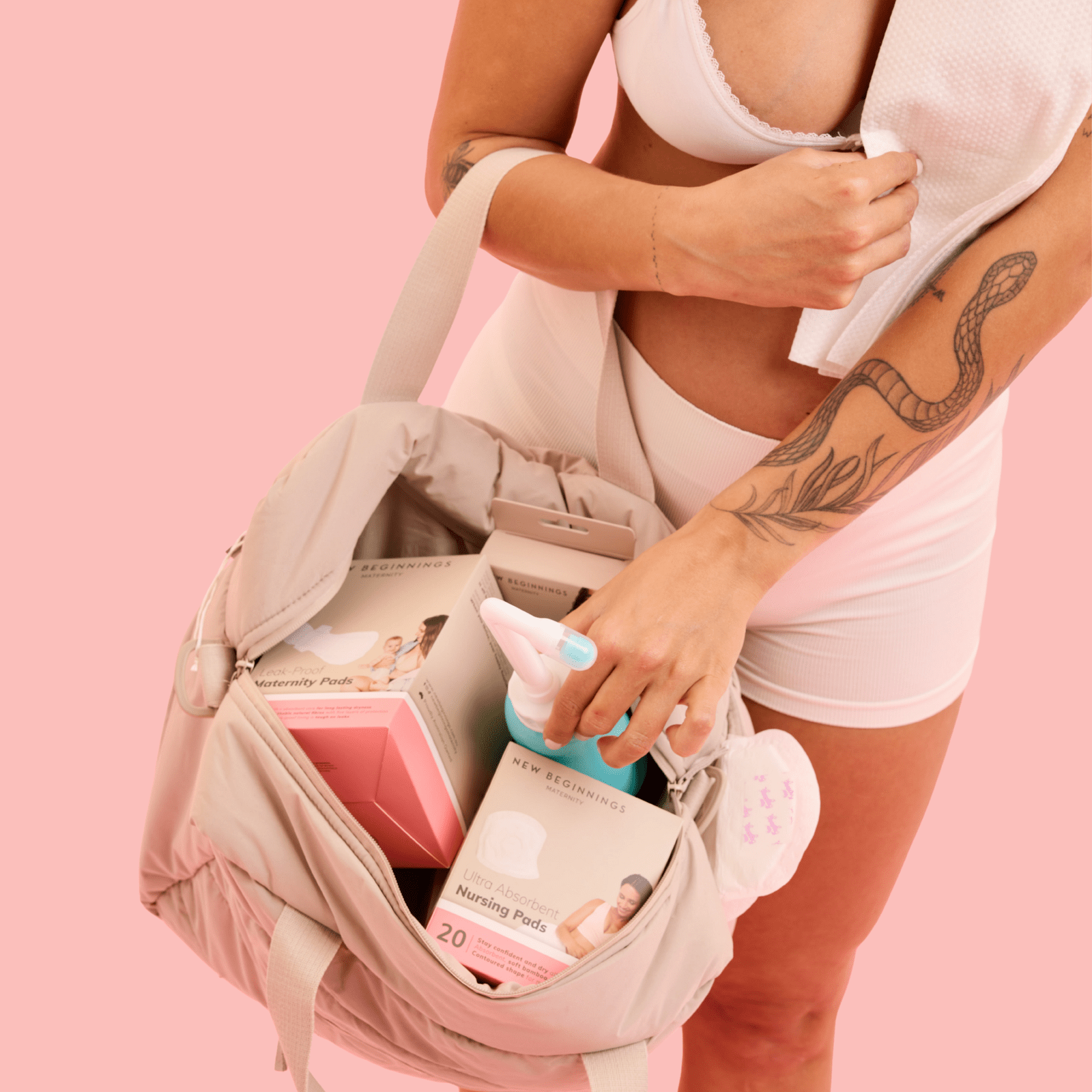
After each feed, allow your nipples to air dry briefly before covering up. Trapped moisture creates a warm, damp environment that's ideal for bacterial and fungal growth. Change your breast pads regularly, and avoid leaving damp pads against your skin. New Beginnings has a range of nursing pads to suit different needs, whether you're after a disposable option with a quick-dry hex weave core that draws moisture away, a washable pad for everyday use, or a soothing aqua gel pad for extra comfort between feeds.
You do not need to wash your nipples with soap before or after feeding. Plain water is sufficient, and soap can strip the natural oils that protect the skin. Your areola naturally produces small amounts of antibacterial secretions, so let your body do what it's designed to do.
Wear the Right Bra
A bra that's too tight, underwired, or poorly fitting can create sustained compression on the milk ducts, increasing the risk of blockages. This is particularly relevant overnight, when a tight sleep bra can restrict drainage for hours at a time.
Look for a bra with good support that does not dig in or create pressure points. The New Beginnings maternity bra range includes options with UGrow technology, which is specifically designed to flex with your changing breast size throughout pregnancy and breastfeeding, helping to reduce the risk of duct compression.
Caring for Sore or Cracked Nipples
Nipple soreness in the early days is extremely common. The skin is adjusting to an entirely new function, and until your latch is well established, some tenderness is par for the course. What you don't want is for minor irritation to become cracking, bleeding, or infection.
Silver Nipple Cups: What They Are and How They Help
Silver nipple cups have become one of the most popular tools in the modern breastfeeding toolkit, and for good reason. Made from 999 fine silver, they harness the metal's natural antibacterial, antifungal, and anti-inflammatory properties to create a protective healing environment between feeds. A 2015 randomised controlled trial found that silver nursing cups led to significantly faster resolution of nipple fissures and reduced the risk of associated complications including mastitis, compared to standard care. [3]
The New Beginnings Silver Nipple Cups are crafted from 99.9% pure silver and sit gently over the nipple between feeds. A few drops of expressed breast milk inside each cup creates an optimal healing environment, with no creams, no chemicals, and no residue to wipe off before the next feed.
A few practical tips for using silver cups:
- Rinse with warm water after each use and dry thoroughly.
- Choose the correct size: medium for areolas 45mm or less, large for 45mm and above. If you're unsure, go large.
- Wear them between feeds only. Remove before your baby latches.
- Silver cups are not recommended for extended wear, and should not be worn overnight. Prolonged use traps moisture against the skin, which can increase the risk of infection.
- Use the polishing cloth to maintain the silver and prevent tarnishing.

Aqua Gel Breast Pads for Immediate Cooling Relief
For moments of acute soreness, particularly in the early days when your nipples are at their most tender, cooling gel pads can provide immediate relief. The New Beginnings Aqua Gel Breast Pads (8pk) are ultra-thin, non-toxic, and individually wrapped for hygiene. They can be kept in the fridge for an extra soothing effect.
Gel pads are particularly useful during the engorgement phase (days two to five after birth) and any time nipple sensitivity flares. They're safe to use between feeds and won't interfere with breastfeeding.
Nursing Pads: The Everyday Essential
Breast milk leakage is one of those things nobody quite prepares you for until it's happening at 3 a.m. Good nursing pads are non-negotiable, not just for the practical protection they offer, but for your skin health. Wet breast pads sitting against your skin for extended periods create the conditions for irritation and infection. The New Beginnings range of nursing pads, available in both disposable and washable reusable options, are made from hypoallergenic materials that wick moisture away and remain breathable against sensitive skin.
Change your breast pads at every feed, or sooner if they become damp. This one small habit can meaningfully reduce your risk of nipple irritation and skin breakdown.
Understanding and Managing Engorgement
Breast engorgement, when your breasts become overfull, firm, and painful, typically peaks around days two to five after birth as your full milk supply comes in. It can also occur at any point during breastfeeding if feeds are missed, spacing changes, or supply overshoots demand.
Engorgement is uncomfortable, and if not managed promptly, it can escalate into blocked ducts or mastitis. The priority is to keep milk moving.
Key strategies include:
• Feed or express frequently. Don't skip or delay feeds.
• Use warm therapy before feeding to encourage let-down and milk flow.
• Use cold therapy after feeding to reduce swelling and ease pain.
• Gently massage the breast towards the nipple while feeding.
• Vary your feeding positions to drain different areas of the breast.
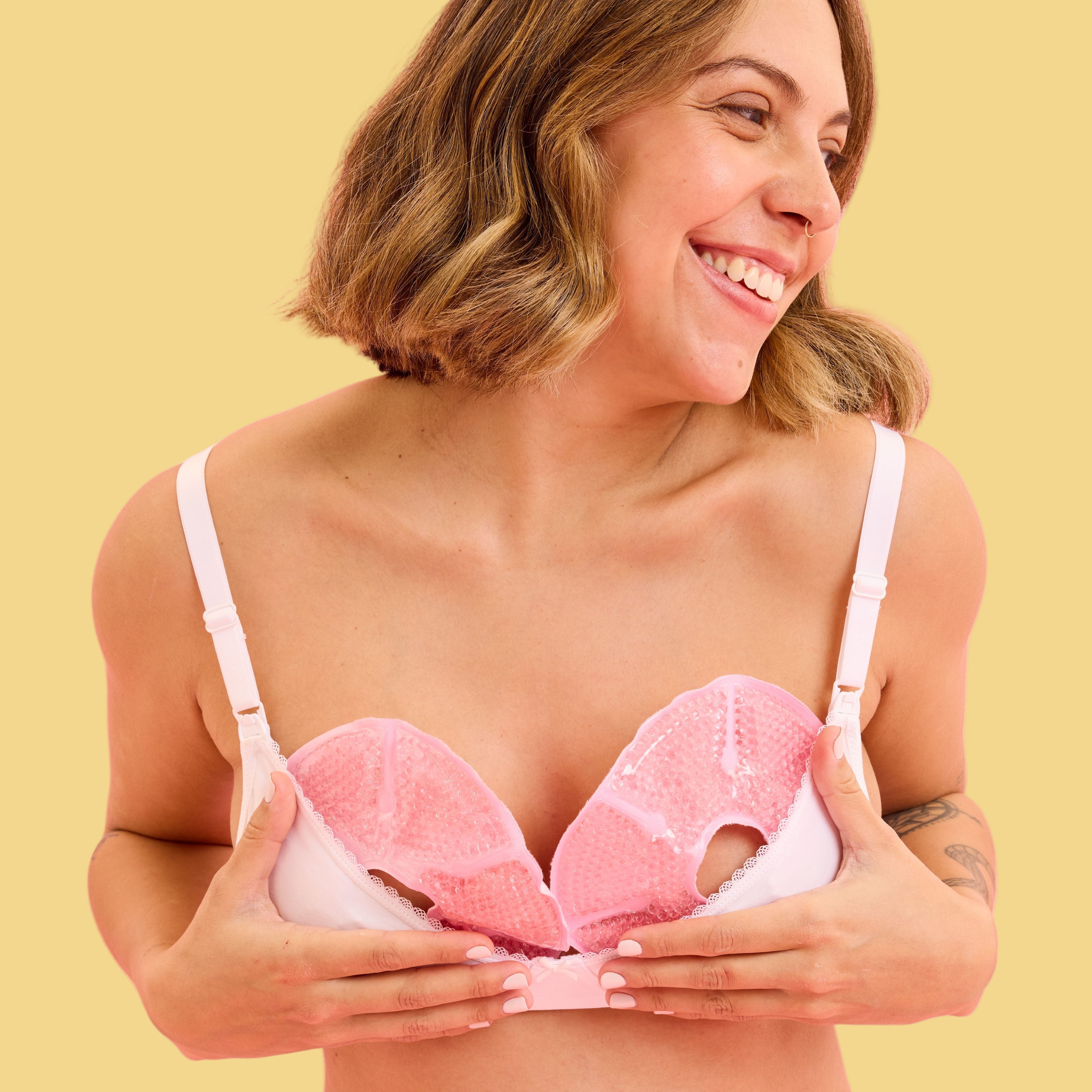
The New Beginnings Breast Care Hot+Cold Packs are a brilliantly practical tool here. They're dual-function gel packs that can be warmed before feeds to stimulate let-down and encourage milk flow, or chilled after feeds to reduce inflammation and relieve engorgement. A soft, fabric-lined backing sits gently against tender and sensitive skin, so they're comfortable to use even when you're at your most sore.

Recognising and Responding to Blocked Ducts
A blocked duct presents as a tender, localised lump in the breast, usually in one area, with the rest of the breast feeling relatively normal. You might notice a firm, sore spot that doesn't disappear after a feed. This is a sign that milk is not draining effectively from part of the breast.
'Blocked duct' is the common term, though the more accurate description is 'localised breast inflammation', as the ducts themselves may not be fully blocked but rather congested and inflamed. [2] Either way, the response is the same.
Act promptly to keep the milk moving:
• Continue feeding from the affected side. This is the most effective treatment.
• Apply warmth before feeds to help open the ducts.
• Gently massage the affected area towards the nipple before and during feeds.
• Try the 'dangle feeding' position, which uses gravity to assist drainage.
• Apply cold after feeds to reduce inflammation.
• Rest, hydrate, and avoid anything that puts pressure on the affected area.
If the lump hasn't softened within twenty-four hours, or if you start to feel unwell, see your GP. What starts as localised inflammation can progress to mastitis if left untreated.
Mastitis: Signs, Response, and Prevention
Mastitis is inflammation of the breast tissue that typically makes you feel like you have the flu: aches, chills, fever, and exhaustion, alongside a breast that is red, hot, swollen, and painful. It's distressing, but it's also treatable.
What to Do If You Think You Have Mastitis
Keep breastfeeding. This is the most important thing, even though it's the last thing you feel like doing. Continuing to feed or express from the affected breast is essential to keep milk moving and prevent the blocked area from worsening. Your milk is safe for your baby even if you have mastitis.
See your GP within twelve to twenty-four hours if symptoms aren't improving. You may need antibiotics. Don't delay seeking medical advice, as untreated mastitis can develop into a breast abscess, which is significantly harder to treat. [1]
While you're managing mastitis:
• Apply warm compresses before feeds to help with let-down.
• Apply cold compresses after feeds to relieve pain and swelling.
• Rest as much as possible.
• Take paracetamol or ibuprofen for pain and fever as appropriate.
• Stay well hydrated.
Prevention Is the Best Medicine
Most cases of mastitis are preventable with consistent, proactive breast care. The foundation is keeping milk moving: frequent feeds, good drainage, and avoiding anything that compresses the breast. Beyond that, attending to early signs of blocked ducts before they escalate, managing engorgement promptly, and caring for nipple health to prevent skin breakdown all significantly reduce your risk.

Your Breast Care Toolkit: Everything in One Place
If you want to have everything you need from day one, the New Beginnings Breast Care Essentials Kit brings the core essentials together in one ready-to-go bundle: hot and cold therapy packs, washable breast pads, pure silver nursing cups, and silicone nipple shields. It's thoughtfully designed for the challenges that actually show up in the early weeks of breastfeeding, and it makes a genuinely useful baby shower gift.
Individual products for building your own kit:
• Silver Nipple Cups: antibacterial, anti-inflammatory healing between feeds
• Aqua Gel Breast Pads: instant cooling relief for sore or cracked nipples
• Breast Care Hot+Cold Packs: warm to encourage let-down, cold to manage engorgement
• Nursing Pads: breathable, hypoallergenic leak protection day and night
Breastfeeding is one of the most physically demanding things your body can do, and your breasts deserve proper care for it. The good news is that with a few consistent habits and the right products, most common problems are manageable or preventable altogether.
Your breastfeeding journey is unique. Some mums sail through without a single sore nipple; others need a bit more support and a well-stocked kit to get them through. Whatever your experience, you're not alone. Help is always available through your midwife, child health nurse, or a lactation consultant (IBCLC).
Related Reading
• The First Week of Breastfeeding: What to Expect
• Breast Engorgement: Causes, Symptoms and Relief
• Disposable vs. Reusable Nursing Pads: Pros and Cons
• What Should I Do If Breastfeeding Is Painful?
• Our Top Recommended Postpartum Essentials
Frequently Asked Questions
1. How do I know if I have a blocked duct or mastitis?
A blocked duct typically presents as a tender, firm lump in one area of the breast, without any systemic symptoms. You'll feel sore but not unwell. Mastitis, by contrast, usually brings flu-like symptoms alongside localised breast pain: fever, chills, fatigue, and a breast that looks red and feels hot to the touch. If you're feeling genuinely unwell, that's your signal to see a GP promptly. [2]
2. Can I keep breastfeeding if I have mastitis?
Yes, and it's actually very important that you do. Continuing to feed or express from the affected breast is the primary treatment for mastitis. Stopping breastfeeding can cause milk to build up further and worsen the inflammation. Your milk is safe for your baby even when you have mastitis. If symptoms aren't improving within twenty-four hours, see your GP as you may need antibiotics. [1]
3. How do silver nipple cups actually work?
Silver has well-established antimicrobial, antifungal, and anti-inflammatory properties. When silver comes into contact with moisture (including breast milk), it releases silver ions that inhibit bacterial growth and support skin healing. The cups also create a protective dome that shields sore or cracked nipples from friction between feeds, reducing further trauma. Clinical research has found that silver cups significantly accelerate the healing of nipple fissures compared to standard care. [3]
4. When should I use warm versus cold therapy on my breasts?
Warm therapy is most useful before feeds. Gentle warmth relaxes breast tissue, encourages the let-down reflex, and helps milk flow more freely, which is particularly helpful when you're engorged or dealing with a blocked duct. Cold therapy is most useful after feeds to reduce inflammation, soothe pain, and help with swelling. The New Beginnings Breast Care Hot+Cold Packs are designed for both functions, with colour-changing gel to take the guesswork out of temperature.
5. How often should I change my nursing pads?
You should change your nursing pads at every feed, or sooner if they become damp. Keeping damp pads against your skin creates conditions conducive to bacterial and fungal growth, which can irritate cracked or sensitive nipples and increase infection risk. Our nursing pads are available in both disposable and washable options to suit your preference and lifestyle.