Everyone talks about pregnancy body changes. The bump. The swelling. The aches. The visible proof that your body is doing something incredible.
What doesn’t get nearly enough airtime is what happens after the baby arrives.
Not the tidy, six-week-checkup version. Not the “you’ll feel like yourself again soon” promise. But the slower, messier, more confusing reality of living in a postpartum body that feels unfamiliar and refuses to follow a timeline.
If you’re wondering whether what’s happening to your body is normal, let’s get this out of the way early.
It probably is.
You Might Feel Like Your Body Didn’t Get the Memo to “Bounce Back”
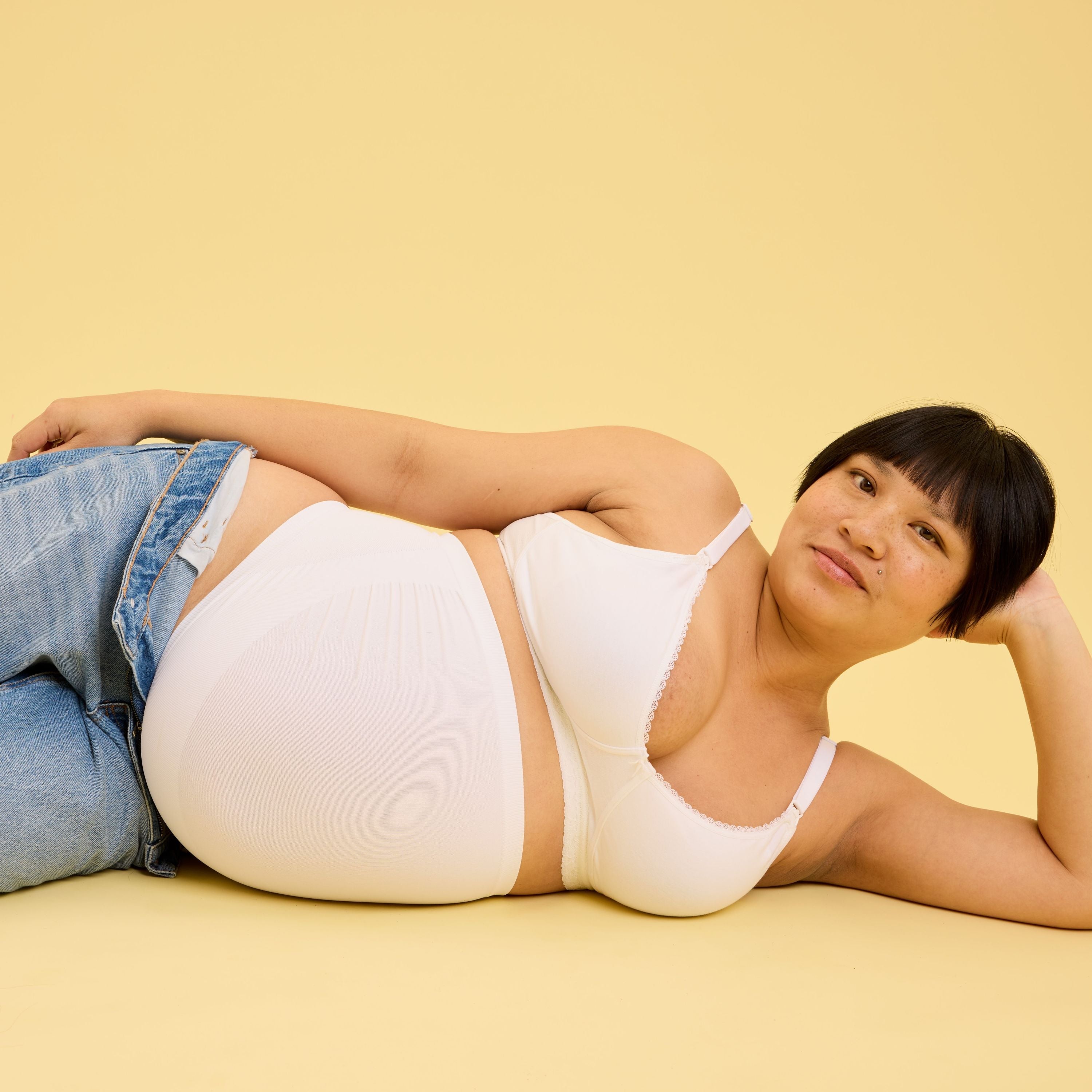
One of the biggest shocks postpartum is how unfamiliar your body can feel weeks or even months after birth. The bump doesn’t disappear overnight. Your stomach may feel softer, looser, or shaped differently. Clothes suddenly make no sense. Things sit lower. Wider. Less cooperative.
This isn’t failure.
It’s biology doing exactly what biology does.
Your body spent months expanding organs, muscles, connective tissue, and skin. It doesn’t undo that work because six weeks have passed. It recalibrates slowly, and sometimes it settles into a new shape altogether. That doesn’t mean something went wrong. It means something major happened.
You Might Notice Loose Skin and Stretch Marks You Weren’t Expecting
Loose belly skin and stretch marks don’t always show up during pregnancy. For many women, they appear postpartum, once swelling reduces and skin settles into its new reality.
Your stomach may wrinkle when you sit. It may feel numb in places and overly sensitive in others. None of this means your body hasn’t “recovered properly.” It means skin stretched to make space for life, and skin doesn’t always pretend nothing happened afterwards.
Anyone selling you a fast fix is selling you fiction.

You Might Still Look Pregnant Longer Than You Thought Was “Normal”
Postpartum bellies don’t run on schedules. Your uterus takes time to shrink. Abdominal muscles may be separated. Core strength doesn’t magically switch back on.
The result is often a rounded belly that hangs around well past the point you thought it would. This isn’t about effort or discipline. It’s about healing, and healing isn’t linear.
You Might Realise Your Ribcage Is Wider Now
This one catches a lot of people off guard. Bras feel wrong. Clothes feel tight around the ribs even if your weight hasn’t changed.
During pregnancy, the ribcage expands to make room for your growing uterus and lungs. For some women, those ribs don’t fully return to their old position. It’s not fat gain. It’s not bad posture. It’s a structural shift your body made to support pregnancy.
And no, no one really talks about it.
You Might Feel Heavier Even If the Scale Isn’t Saying Much
Postpartum heaviness isn’t always about weight. It’s about effort. Standing up feels harder. Walking feels slower. Your body feels less efficient.
Hormones, muscle changes, fluid retention, and deep exhaustion all pile on. The scale doesn’t capture that, and neither does the mirror. How your body feels matters more than the number staring back at you.

You Might Bleed Longer Than You Were Led to Expect
Postpartum bleeding rarely follows the neat timeline people imply. It can stop, start again, lighten, then surprise you. It can last longer than expected (hello postpartum pads), and that unpredictability can be unsettling.
This bleeding is your body healing internally. It’s normal, but that doesn’t make it comfortable.
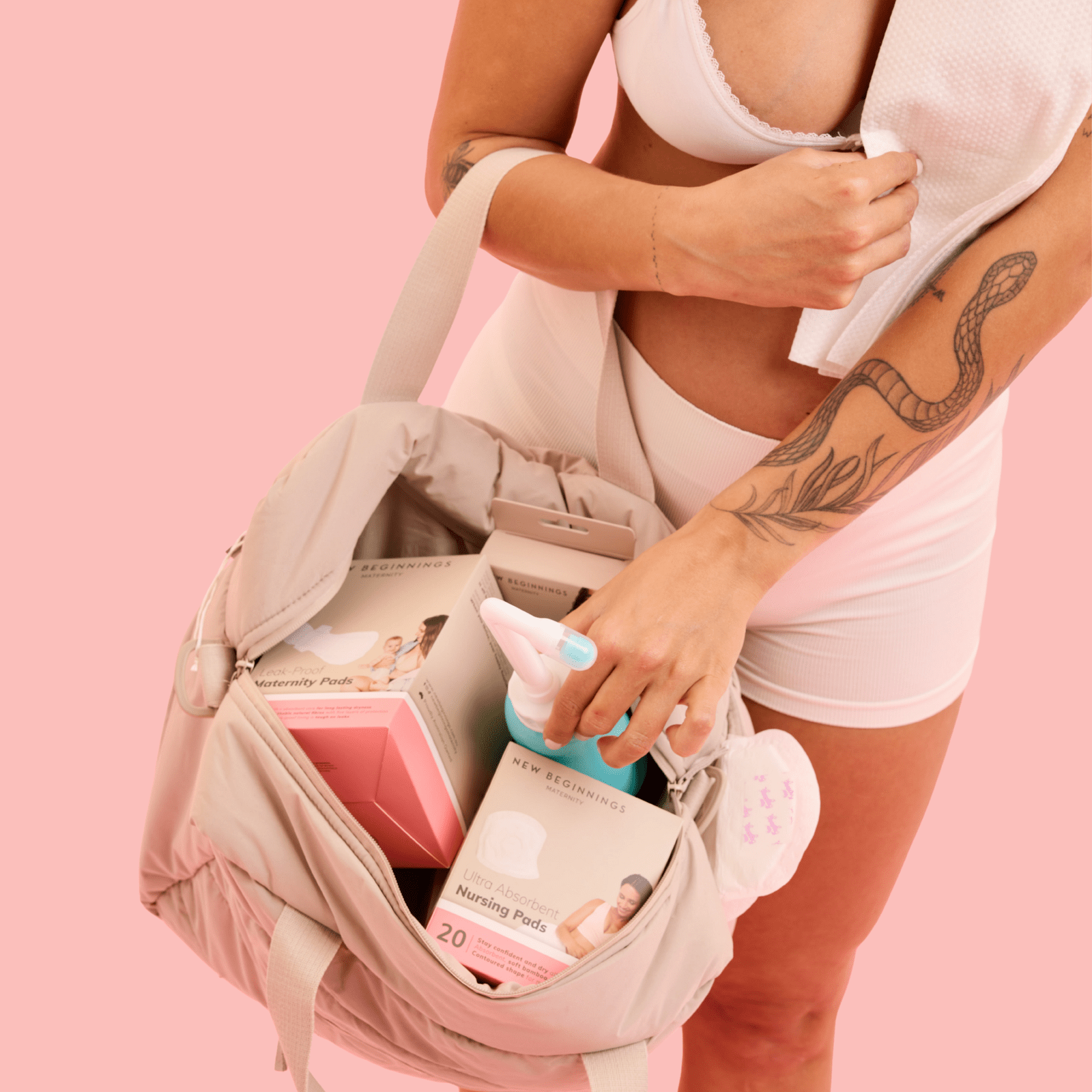
Many women find soft, breathable options like bamboo maternity pads helpful once bleeding lightens, while disposable postpartum pants can feel like a sanity-saver in the early weeks when bleeding is heavier and unpredictable. Comfort isn’t indulgent here. It’s practical.
You Might Lose Hair Months After Birth, All at Once
Postpartum hair loss often shows up later, just when you think you’re finding your footing. Hair clogs the shower. Collects on your pillow. Thins around your hairline.
During pregnancy, oestrogen keeps hair in its growth phase longer. After birth, that hair sheds together. It’s temporary, but watching it happen can still feel confronting.
No, you’re not going bald. Yes, it can still mess with your head.
You Might Notice Your Nails Become Brittle
Strong pregnancy nails don’t usually stick around. Postpartum, nails may become thin, weak, or prone to breaking.
Hormones shift. Nutrient stores take a hit. Physical stress adds up. These small changes are reminders that postpartum recovery happens deep inside the body, not just where you can see it.
You Might Feel Pelvic Floor Changes You Weren’t Warned About
Pelvic floor changes aren’t always dramatic. Sometimes it’s leaking. Sometimes heaviness. Sometimes a vague sense that things don’t feel quite right.
This doesn’t mean something is broken. It means your pelvic floor carried a heavy load and needs time and support to recover (hello pilates). Silence around this topic does far more harm than the symptoms themselves.
You Might Feel Like Your Breasts Aren’t Yours Anymore
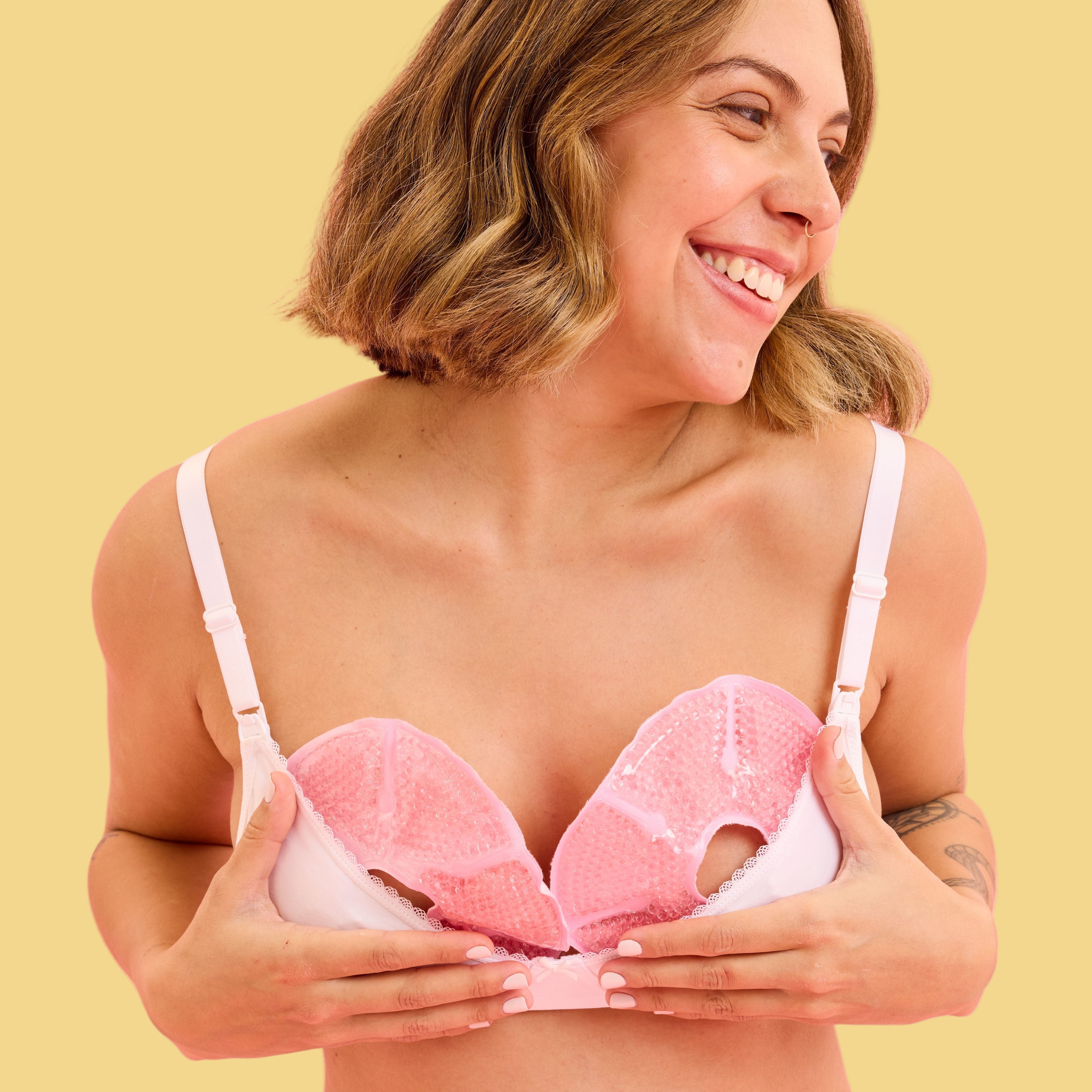
Breasts often change shape, size, firmness, and sensitivity postpartum, whether or not you breastfeed. They may feel fuller, emptier, or more functional than familiar.
That shift can be emotional. Breasts aren’t just body parts. They’re tied to identity. Adjusting to a new version takes time, and there’s no obligation to love the change immediately (enter your maternity bra era).

You Might Feel Disconnected From Your Body Altogether
One of the least talked about postpartum experiences is disconnection. Feeling like your body belongs to everyone else’s needs first.
After months of monitoring, touching, and relying on it, your body can feel like a workplace instead of a home. Reconnection doesn’t happen overnight. It happens slowly, through rest, gentle movement, nourishment, and patience.
You Might Notice Everything Feels Worse When You’re Exhausted
Sleep deprivation magnifies everything. Aches feel louder. Recovery feels slower. Body confidence takes a hit.
That doesn’t mean your body is failing. It means it’s healing while running on empty.
You Might Learn That Six Weeks Is Not a Finish Line
Six weeks is a checkpoint, not a conclusion.
Postpartum recovery unfolds over months, sometimes years. Hormones shift gradually. Muscles strengthen slowly. Your body finds a new normal on its own timeline.
Comparison doesn’t speed this up. It only adds pressure.
Here’s the Part You Actually Need to Hear
You are not broken.
Your body is not ruined.
You are not behind.
You are postpartum.
A body that carried, birthed, nourished, and adapted. A body still healing, even when the world expects you to be “back.”
Normal changed.
That’s not a personal failing. It’s a biological reality.
Your body is allowed to take up space in this season.
It’s allowed to change.
It’s allowed to need time.
You don’t owe anyone a return to who you were before.
You’re learning how to live in who you are now.
Related Reading
More from the Spill the Milk blog:
- What I Wish I Knew About Postpartum Bleeding Before It Happened
- How To Care For Your Breast While Breastfeeding?
- Will My Areolas Go Back to Normal After Pregnancy and Breastfeeding?
- Why Every Mum Needs a Wearable Breast Pump
FAQs About Postpartum Body Changes
What postpartum body changes are normal?
Most postpartum body changes are completely normal, including a soft or rounded belly, loose skin, stretch marks, hair loss, prolonged bleeding, ribcage expansion, pelvic floor changes, breast changes, and feeling physically heavier or weaker. These changes happen because the body is healing, hormonally recalibrating, and adapting after pregnancy and birth. If you are managing bleeding in the early weeks, our postpartum products collection has practical options to help keep you comfortable.
How long does postpartum recovery actually take?
Postpartum recovery does not have a fixed timeline. While six weeks is often mentioned as a checkpoint, many physical and hormonal changes can take months or longer to settle. Muscle strength, hormone levels, and body shape often adjust gradually over time, and recovery looks different for every person.
Is it normal to still look pregnant weeks after giving birth?
Yes, and very common. The uterus needs time to shrink, abdominal muscles may be separated, and core strength takes time to return. A lingering belly does not mean you are doing anything wrong or that healing has stalled.
Why am I losing so much hair after having a baby?
Postpartum hair loss usually shows up a few months after birth. During pregnancy, higher oestrogen levels keep hair in its growth phase longer. After birth, hormone levels drop and that delayed shedding happens all at once. It can be confronting but it is typically temporary.
What pelvic floor changes are common after birth?
Common pelvic floor changes include leaking, heaviness, weakness, or a general sense that things feel different. These changes are expected after pregnancy and birth and do not mean something is broken. Pelvic floor recovery takes time and support, and speaking with a women's health physio is one of the most useful things you can do postpartum. Browse the postpartum care range for products that support your recovery in the early weeks.
When should I speak to a doctor about postpartum changes?
Most postpartum body changes are normal, but always speak to a healthcare professional if something feels concerning, painful, or worsening. Heavy bleeding, large clots, signs of infection, or significant emotional distress are all worth raising with your doctor or midwife. Trusting your instincts and seeking support early is part of recovery, not a sign of weakness.