You know that moment at the end of the day when you reach back to unhook your bra and the relief is so good it's almost embarrassing? If that's happening at 10am now, your body is trying to tell you something.
For a lot of mums, the bra drawer becomes the first casualty of pregnancy. Suddenly the bras that used to feel perfectly fine are leaving red marks, digging in at the worst spots, and making you count down the minutes until you can take them off. It's not in your head. Your body is genuinely changing, and your bras haven't gotten the memo yet.
This is your gentle guide to what's actually going on, why your old favourites aren't cutting it anymore, and what to do about it. No scary stories, just the honest truth.
Your Breasts Are Changing More Than You Realise
Breast changes are often one of the very first signs of pregnancy, and they keep going long after that first trimester. Rising oestrogen and progesterone levels trigger breast changes almost immediately after conception, well before most mums have even had their first scan [1].
Here's what's actually happening under the surface:
• Your milk ducts are developing and branching outward through your breast tissue
• Glandular tissue is growing, which is why things feel denser and more tender
• Blood flow to your breasts increases, which adds to the sensitivity
• Your cup size can go up one to three sizes, and your ribcage itself often expands too
• In the third trimester, colostrum production can begin, so your breasts are genuinely working
By the time your baby arrives, your breasts can look and feel completely different from where they started. And because all of this happens gradually, it's easy to keep trying to make your old bras work long after they've stopped being right for your body.
So, you're not being dramatic. The fit really has changed.
So What's the Deal with Underwire?
Here's the thing about underwire: it's not inherently evil. For years, it probably did exactly what it was supposed to do. But during pregnancy and breastfeeding, that rigid wire can become a real problem, and it mostly comes down to where it sits.

The Milk Duct Issue
As your breasts grow and your body starts preparing to feed your baby, the ductal network inside your breast tissue becomes more active and more sensitive. Underwire that presses in at the wrong angle, or stays in the same spot for hours on end, can put pressure directly on those ducts.
This kind of sustained compression is associated with a higher risk of blocked ducts, which can snowball into mastitis if left unresolved. Research has linked tight bra use to increased rates of blocked ducts and mastitis, particularly when bras are worn overnight [3].
To be clear: wearing an underwire bra once doesn't automatically mean you'll get mastitis. But if your supply is still establishing, or you've already dealt with blocked ducts before, removing that unnecessary pressure is a low-effort way to reduce the risk.
The Fit Problem Gets Worse Over Time
Even a well-fitted underwire bra can quickly become the wrong bra as your body changes. The wire that once sat neatly below your breast tissue might now dig into it. The cups that once fit might now overflow or gape. And a bra that fits poorly creates pressure points that a properly fitted wire-free style simply wouldn't.
Wearing a well-fitted, supportive nursing or maternity bra during the postnatal period is recommended, specifically one that doesn't compress breast tissue [2].
It's Not Just the Wire, It's the Compression
Even a wire-free bra can cause issues if it's too tight. During pregnancy and breastfeeding, your body needs a little more room than usual, and that includes around the breast and underarm area.
Your lymph nodes sit just under your arms, and they play a key role in fluid regulation and immune function. Sustained compression around that area isn't doing your body any favours, especially when it's already working overtime. Breathable, stretchy fabric that moves with your body rather than constraining it is genuinely worth the upgrade.
This doesn't mean loose and unsupportive. It means supportive without squeezing. There's a real difference, and once you feel it, you'll wonder why you waited so long.
Great bra! I’m pregnant and haven’t started breastfeeding yet, but these bras are sooo comfortable and easy to I clip and clip up. I wear them everyday.
— Jessica M, Diamond Maternity Bra
What to Actually Look For in a Maternity or Nursing Bra
Choosing the right maternity bra can be challenging due to the significant changes your body undergoes during pregnancy and breastfeeding. Hormonal fluctuations lead to variations in breast size and tissue density and increased blood flow can cause breasts to feel swollen, sore and sensitive.

As your breasts fill with milk and then empty during breastfeeding, it's completely normal for them to change size frequently, and even for one breast to be larger than the other. With all these changes, many pregnant and breastfeeding mothers struggle to find a bra that offers both comfort and the right fit throughout these stages.
Good news: switching to a maternity or nursing bra does not mean giving up support. Modern styles are genuinely designed to do both, and once you find the right one, wearing a bra stops feeling like something you're enduring.
When you're shopping, here's what's worth prioritising:
• Wide, soft straps that distribute weight without digging into your shoulders
• Stretchy, breathable fabric with good recovery. Cotton and bamboo blends are popular for a reason
• A band that sits comfortably below your breast without riding up or compressing your ribcage
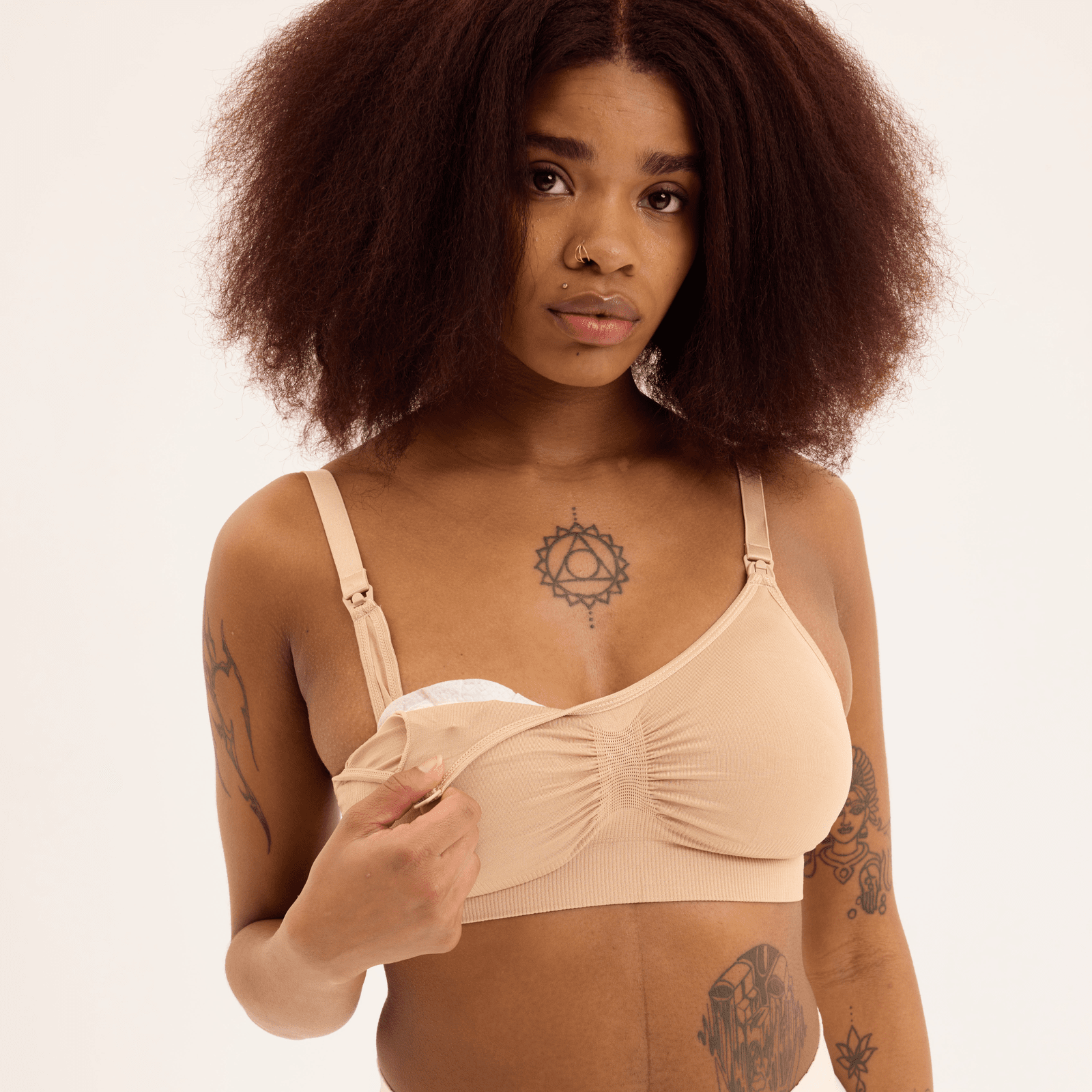
• Nursing clips or easy drop-down access if you're planning to breastfeed
• Cups with some flexibility, because your breast volume will fluctuate throughout the day with feeds
• No rigid wire, or at minimum a soft-wire style that sits completely outside the breast tissue
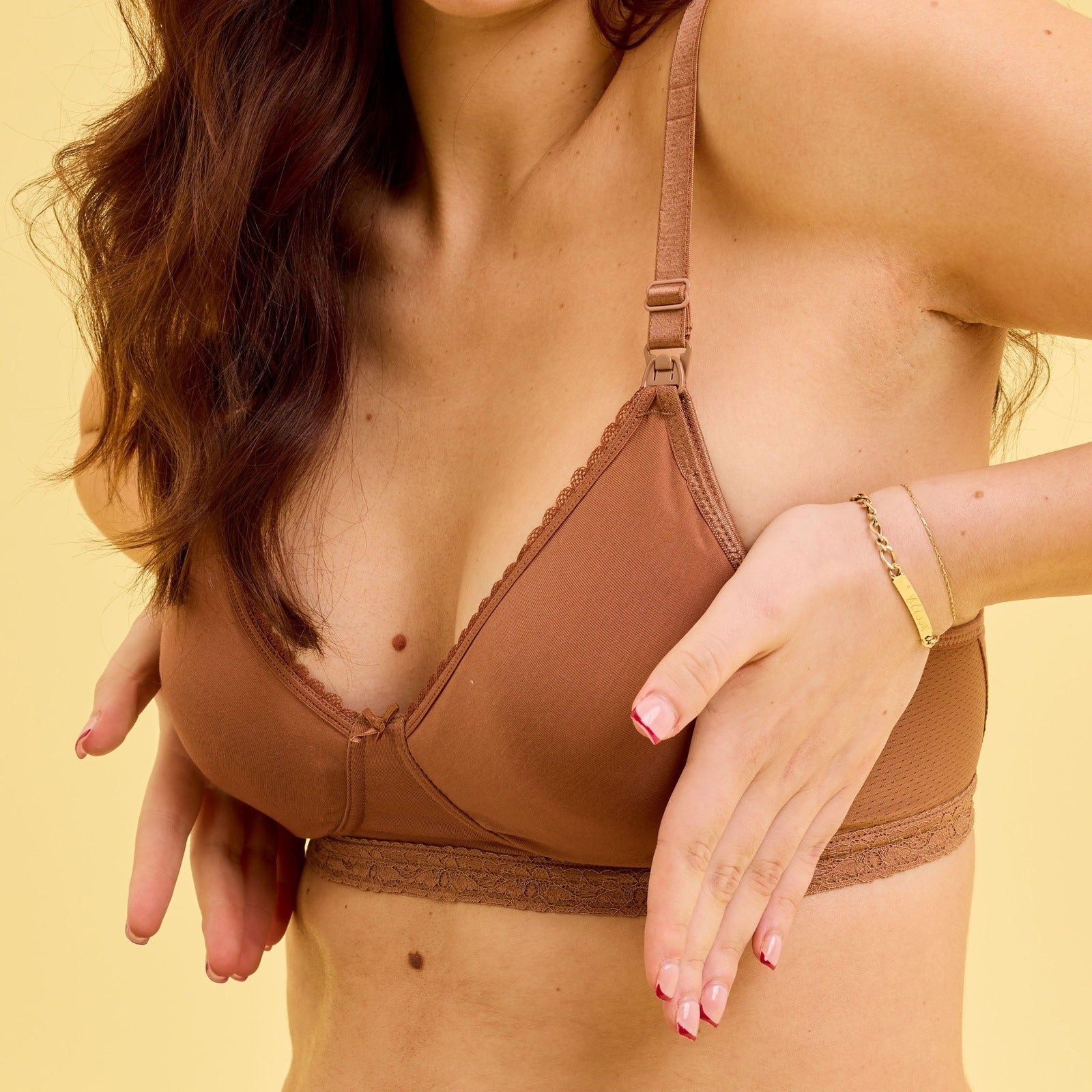
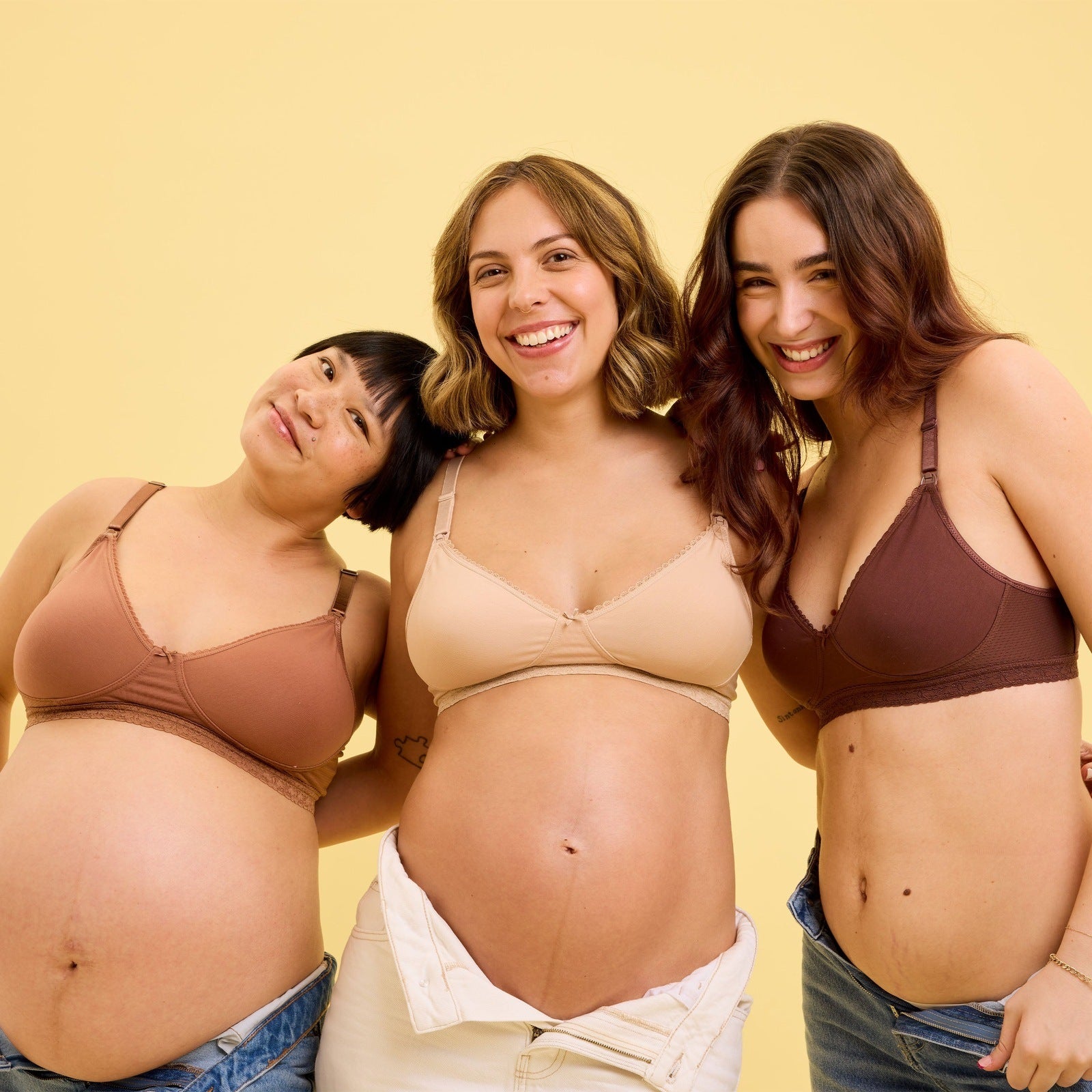
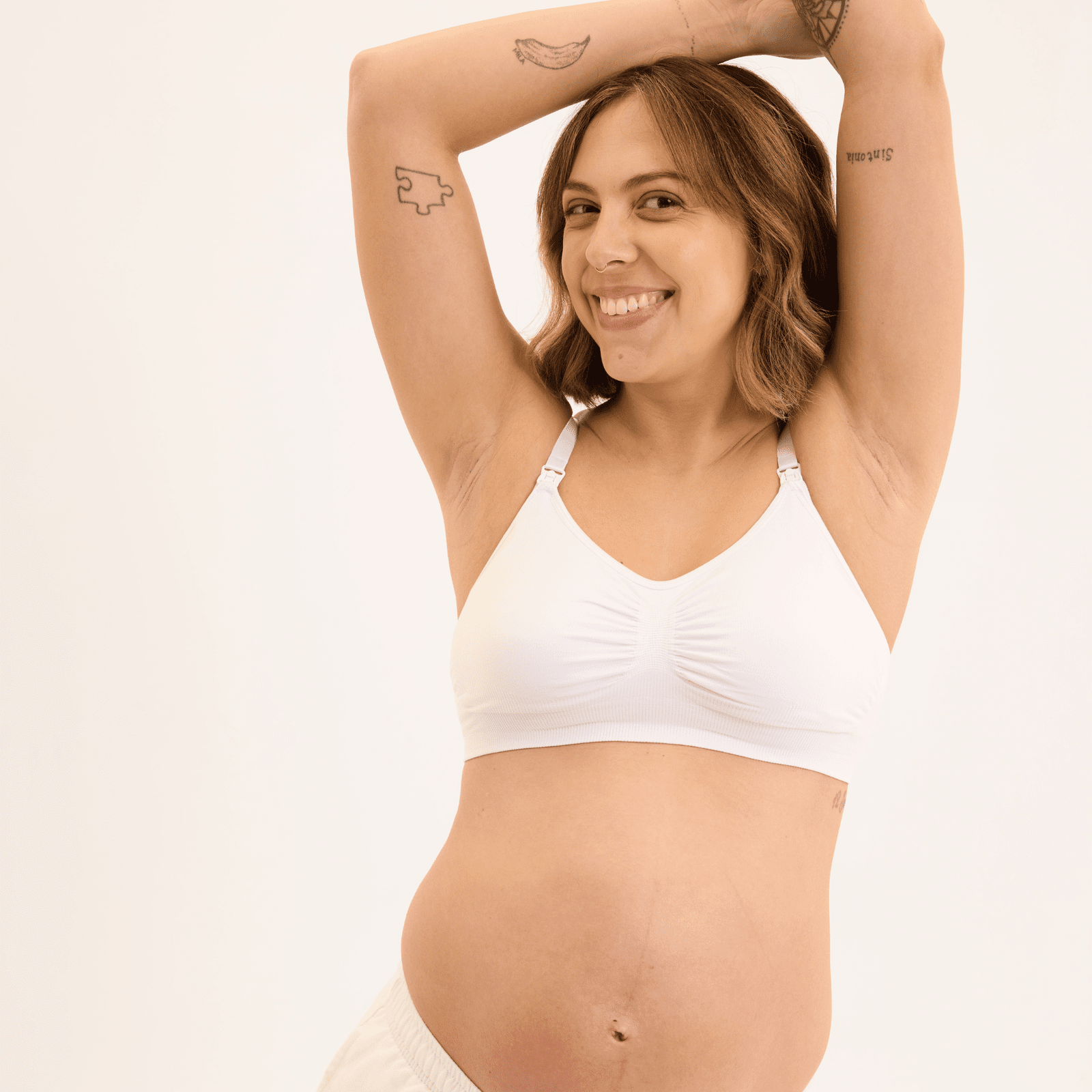
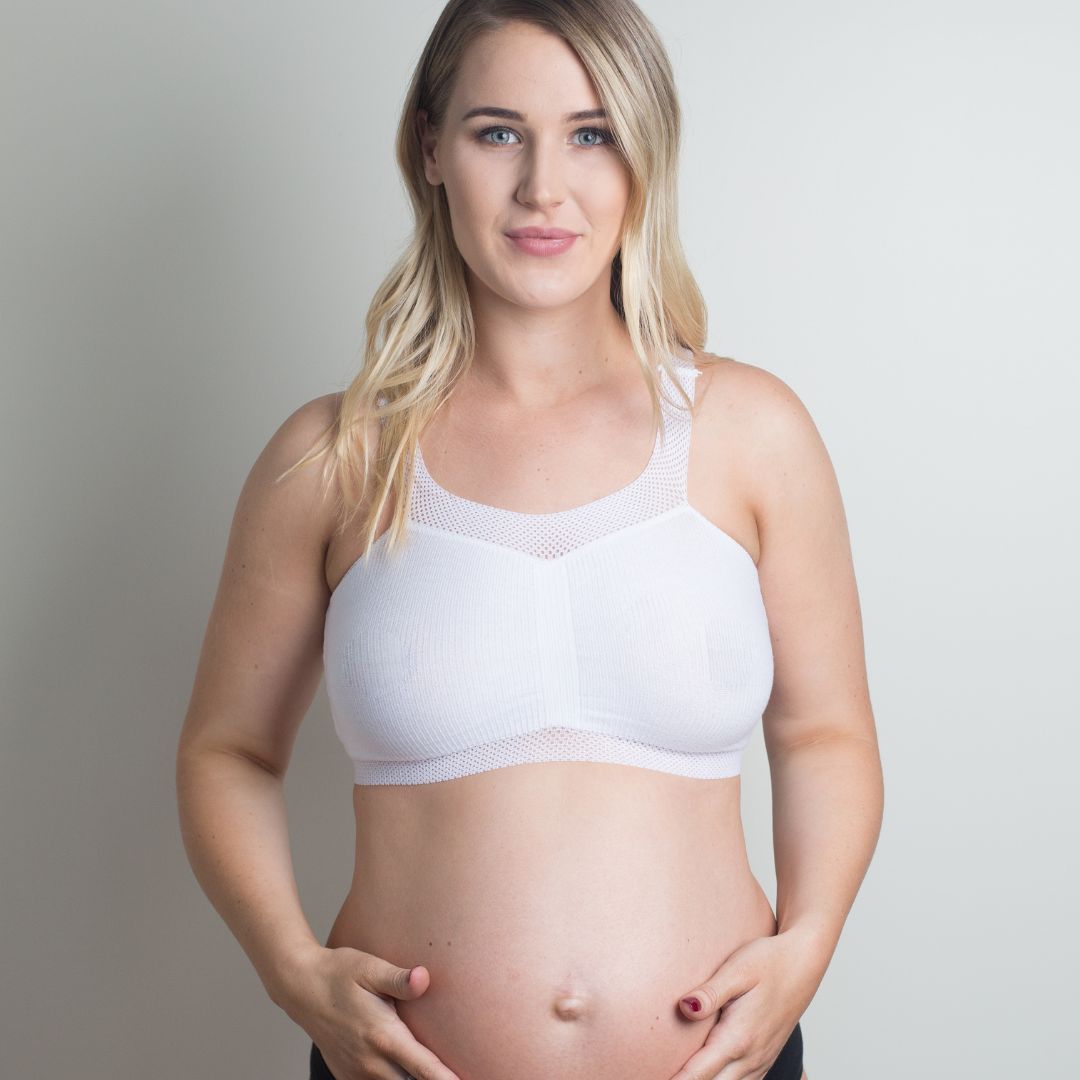
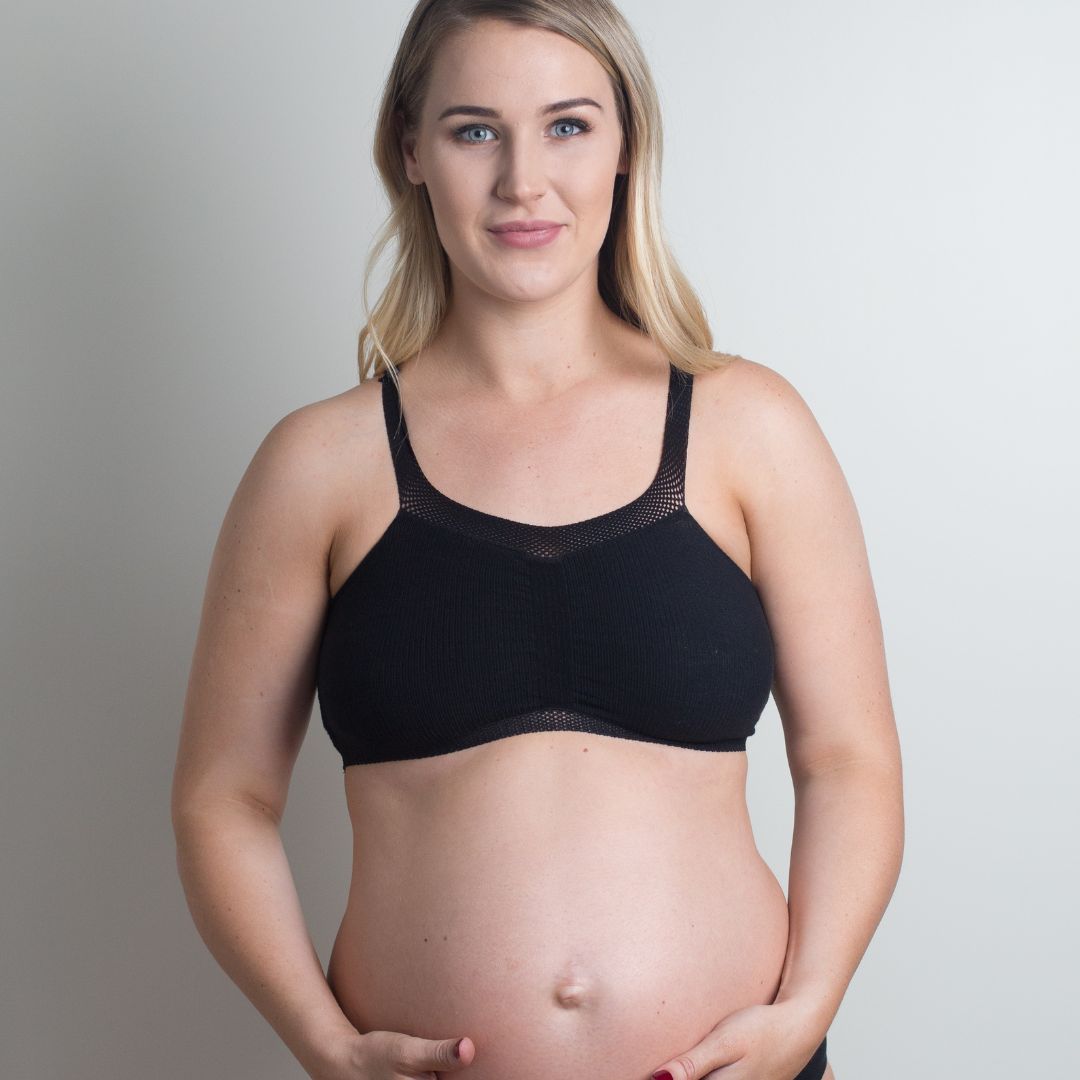
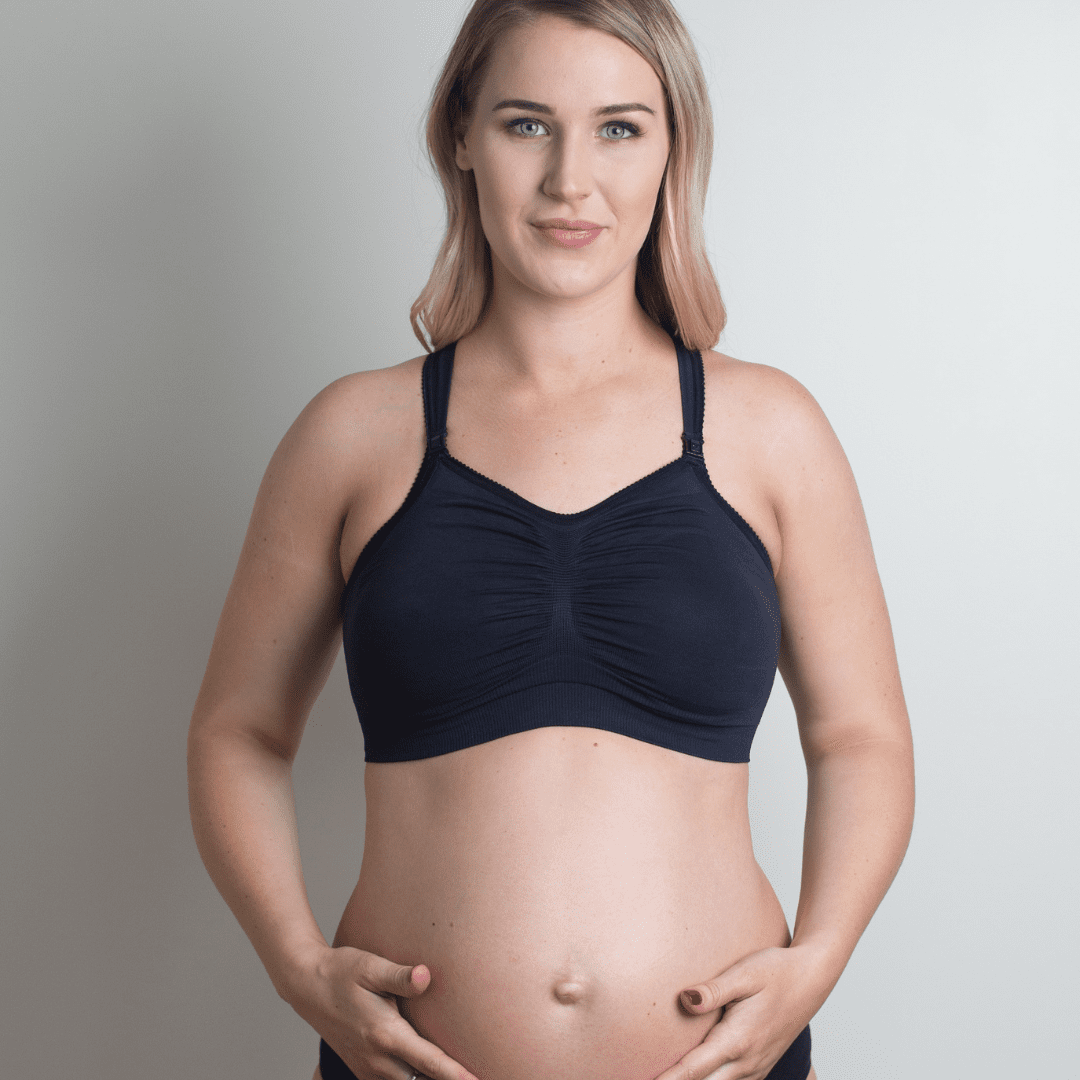
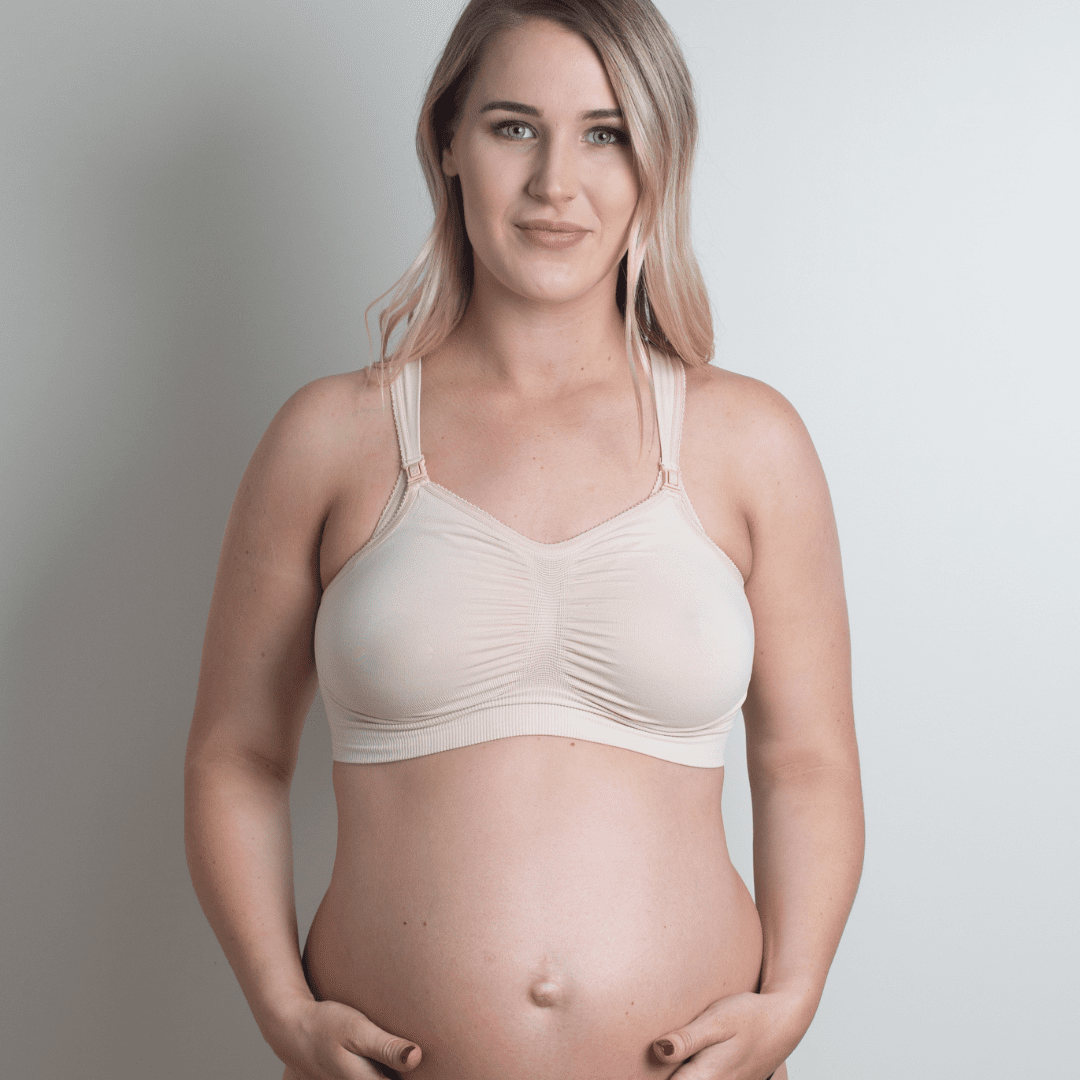
The New Beginnings Easy Feeding Maternity Bra is designed with exactly these changes in mind, including styles with uGrow technology that actually adapts as your body shifts across pregnancy and into the postpartum period. No remeasuring every few weeks required.
When Should You Actually Make the Switch?
Earlier than you think, honestly. Many mums find their pre-pregnancy bras start feeling uncomfortable somewhere between weeks eight and twelve. Some feel it earlier than that.
A rough guide to use as your starting point:
• First trimester: If your bras are leaving marks, feeling tight, or making your already-tender breasts feel worse, it's time to reassess
• Second trimester: Most mums genuinely benefit from a dedicated maternity bra by now, as breast volume keeps increasing
• Third trimester and postpartum: A nursing bra or soft sleep bra becomes your best friend, especially while your supply is establishing
• First six to twelve weeks postpartum: This is when avoiding tight and wired styles matters most, as your supply is still finding its rhythm
If you're not sure where to start with sizing, a professional bra fitting is worth it. A lot of pharmacies and baby specialty stores offer this, and getting properly measured can make a genuinely significant difference to your comfort. You can also check out our guide on how to measure your maternity bra size for an easy at-home walkthrough.
Don't Forget About Nighttime

Sleeping without any support can feel awful when your breasts are fuller and more sensitive. But reaching for your old underwire bra at bedtime isn't the answer either. A soft sleep bra or crop-style nursing bra designed for overnight wear gives you gentle support without any compression, and is one of those things you'll wish you'd bought sooner.
Wearing a tight or structured bra overnight is one of the most common contributors to blocked ducts. A soft, wire-free sleep bra removes that risk entirely and actually makes getting through night feeds a whole lot easier.
Your old bras aren't gone forever
The changes happening in your body during pregnancy and breastfeeding are significant, and your bra wardrobe genuinely needs to keep up. Switching to a well-fitted maternity or nursing bra isn't about giving something up. It's about giving your body the support it actually needs right now, without the squeezing, the wire marks, or the 10am countdown to taking it off.
Ready to find your fit? Explore the full New Beginnings maternity and nursing bra range and find something that actually works for where you are right now.
Related Reading
More from the Spill the Milk blog:
• How to Measure Your Maternity Bra Size
• uGrow Bra Technology: How It Works and Why It Matters
• Stages of Labour: What to Expect at Each Step
• Postpartum Recovery: What Your Body Needs in the Fourth Trimester
• Breastfeeding and Nursing: Getting Started
Frequently Asked Questions
1. Can I keep wearing an underwire bra while pregnant?
There's no hard rule that says you can't, but most healthcare providers recommend transitioning to a wire-free maternity bra by the second trimester at the latest. As your breast tissue grows and the ductal network develops, underwire can end up pressing in the wrong places. If your current bra fits well, doesn't leave marks, and isn't causing any discomfort, you might be fine in early first trimester. But getting properly fitted sooner rather than later is always worth it. Check out our maternity bra range to see what wire-free support actually looks like.
2. Can a bra really cause mastitis?
A bra alone doesn't cause mastitis, but a tight or ill-fitting one can contribute to the conditions that make it more likely. Sustained compression of the milk ducts can lead to a blockage, which can develop into mastitis if it's not cleared. Wearing a well-fitted, non-compressive bra and avoiding sleeping in tight styles reduces that risk. If you do suspect a blocked duct, it's worth reaching out to a lactation consultant or your GP sooner rather than later.
3. How do I know if my nursing bra actually fits properly?
A well-fitted nursing bra should feel snug but comfortable. No band digging in, no spillage over the cups, no straps cutting into your shoulders. The band should sit straight across your back, not ride up. Because breast volume changes throughout the day with feeding, it helps to be measured when your breasts are full rather than straight after a feed.
4. Is it okay to sleep in a nursing bra?
A soft, wire-free sleep bra is absolutely fine and can be genuinely helpful, especially in the early weeks when things feel tender and heavy overnight. What's not recommended is sleeping in an underwire or tight bra, as sustained overnight compression increases the risk of blocked ducts. A soft sleep bra or crop-style nursing bra designed for overnight wear is the right call.
5. When can I go back to my pre-pregnancy bras?
Most mums return to pre-pregnancy bras once breastfeeding has fully stopped and their supply has dried up completely, which can take several weeks after the last feed. Keep in mind that breast shape and size after weaning varies for everyone. Some mums return to their previous size, others don't. It's worth getting refitted once your body has settled rather than assuming your old size still applies.