
I'll be honest, before I had a baby I'd never heard of the fourth trimester. I thought you did your three trimesters, had the baby, and then life sort of carried on. Spoiler: it does not just carry on.
Those first few months after birth are a whole chapter of their own. So here's the guide I wish someone had handed me, with a few real moments from my own fourth trimester thrown in.
What is the fourth trimester?
The fourth trimester is the first 12 weeks after your baby is born. It's the idea that pregnancy doesn't really finish at birth. Your body is healing, your hormones are recalibrating, and your baby is getting used to life outside the womb.
The way my midwife put it stuck with me: "You're both brand new at this." Which, at 3am, was strangely comforting.
Meet your fourth trimester baby
For nine months, bub has lived somewhere warm, dark, snug and constantly moving, with food on tap. Then suddenly it's bright lights, open space and a nappy change. No wonder they're a bit unsettled.
In the first 12 weeks, most newborns:
- Feed often: usually 8 to 12 times in 24 hours as their tiny tummies grow
- Sleep in short bursts: day and night don't mean much yet
- Love being held: rocking, swaddling, shushing and skin-to-skin all feel like the womb
- Start to smile: that first real social smile usually shows up around 6 to 8 weeks
My moment: My daughter would only sleep on me. I must have tried the bassinet 40 times in week two, and she always knew. Learning that this is completely normal for a fourth trimester baby took so much pressure off. She wasn't being difficult. She just missed the womb.
Postpartum care: what's happening for you
Whether you had a vaginal birth or a caesarean, your body has done something massive. Here's what's normal in the early weeks:
- Bleeding (lochia): heavier at first, then easing over several weeks, often up to around six weeks
- Cramping: your uterus shrinks back down, and you might notice it most during feeds
- Tenderness: stitches, swelling or a caesarean wound need gentle care
- Breast changes: your milk usually comes in a few days after birth, bringing fullness, soreness and leaks
- Big feelings: around 80% of new mums get the baby blues, usually around day 3 to 5
My moment? On day five I cried because my partner cut my toast into triangles. Not sad, just overwhelmed. Turns out that's the baby blues in a nutshell.
Your postpartum recovery timeline
Every recovery is different, so think of this as a rough guide rather than a checklist.
Weeks 1 to 2: Survival mode
Bleeding is at its heaviest, your milk comes in, and everything feels tender. Your only jobs are to rest, eat, drink plenty of water and say yes to help.
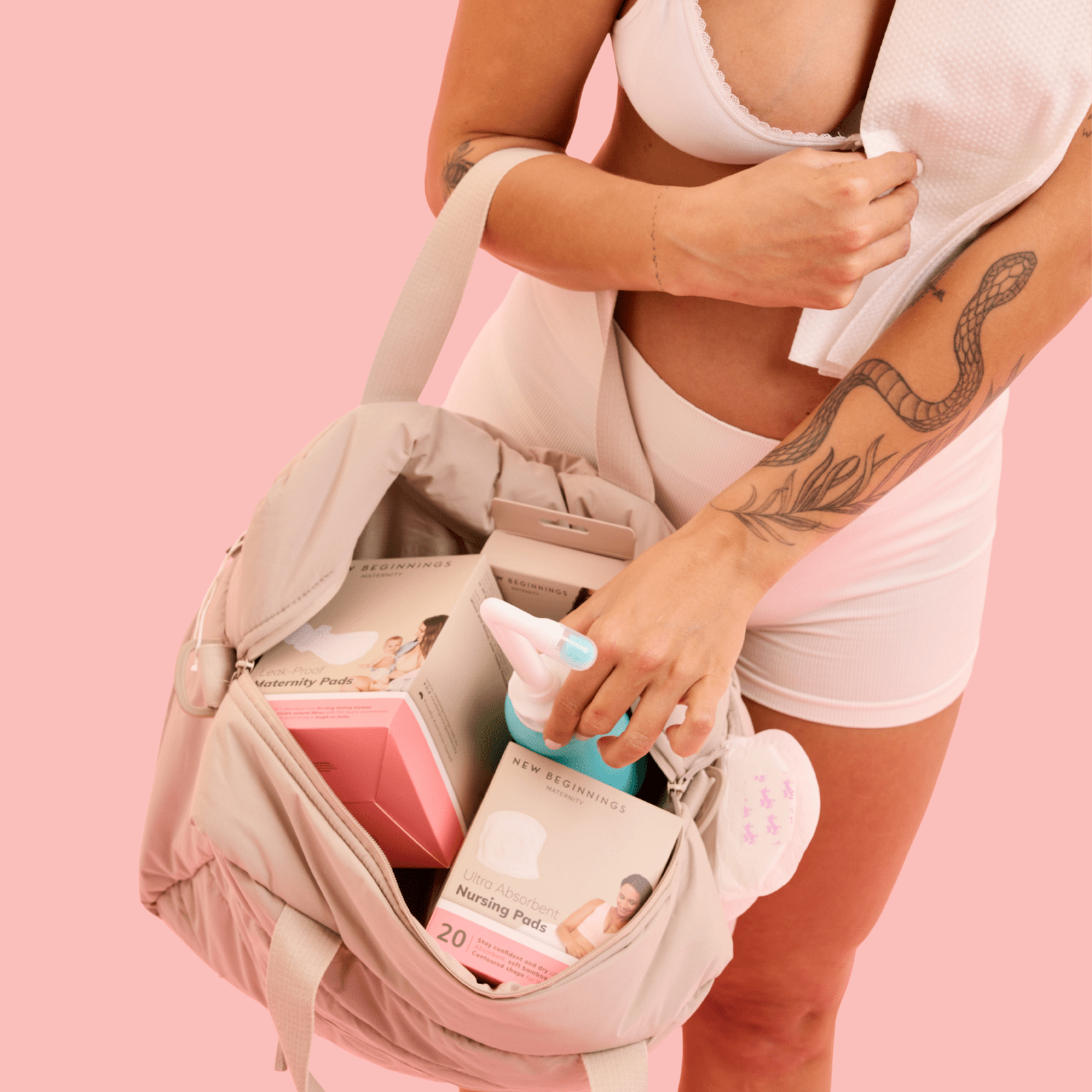
This is where good postpartum care products really earn their keep. I was so glad I'd stocked up on maternity pads, disposable briefs and cooling peri care before birth. Trust me, you won't want to be shopping in week one.
Weeks 3 to 6: Finding a rhythm
Bleeding gets lighter, stitches settle and feeding starts to feel a bit more familiar (until a growth spurt throws you, of course). Some days you'll feel almost human. Other days you'll be in the same trackies for two days straight. Both are fine.
Around six weeks you'll have your postnatal check with your GP. It covers healing, pelvic floor, contraception and how you're going emotionally.
My moment: I nearly said "fine" out of habit. Then I admitted I'd been feeling anxious at night. I'm so glad I did. Please be honest at yours too.
Weeks 7 to 12: Coming up for air
Bub is usually more alert and smiley, and you may start to feel physically stronger. That said, full recovery can take longer, especially after a caesarean or a tricky birth. There's no prize for "bouncing back", so go at your own pace.
Looking after your mental health
The fourth trimester can be beautiful and really hard, often on the same day. If low mood, worry or feeling numb sticks around for two weeks or more, it could be perinatal depression or anxiety. It affects up to 1 in 5 mums and 1 in 10 dads and partners in Australia, so you're far from alone.
Talk to your GP, midwife or child health nurse, or call the PANDA National Helpline on 1300 726 306. If you're in crisis, call Lifeline on 13 11 14, or 000 in an emergency.
The fourth trimester essentials I actually used
At New Beginnings, our whole range is built around real-life pregnancy, postpartum and feeding. Here's what made the biggest difference for me:
- Postpartum Recovery range: pads, briefs, peri care and cooling relief for those first tender weeks
- Hospital Bag Essentials: the recovery basics in one pack, ready before bub arrives
- Everyday Maternity Bra: soft, supportive and easy to unclip one-handed (my old bras didn't stand a chance)
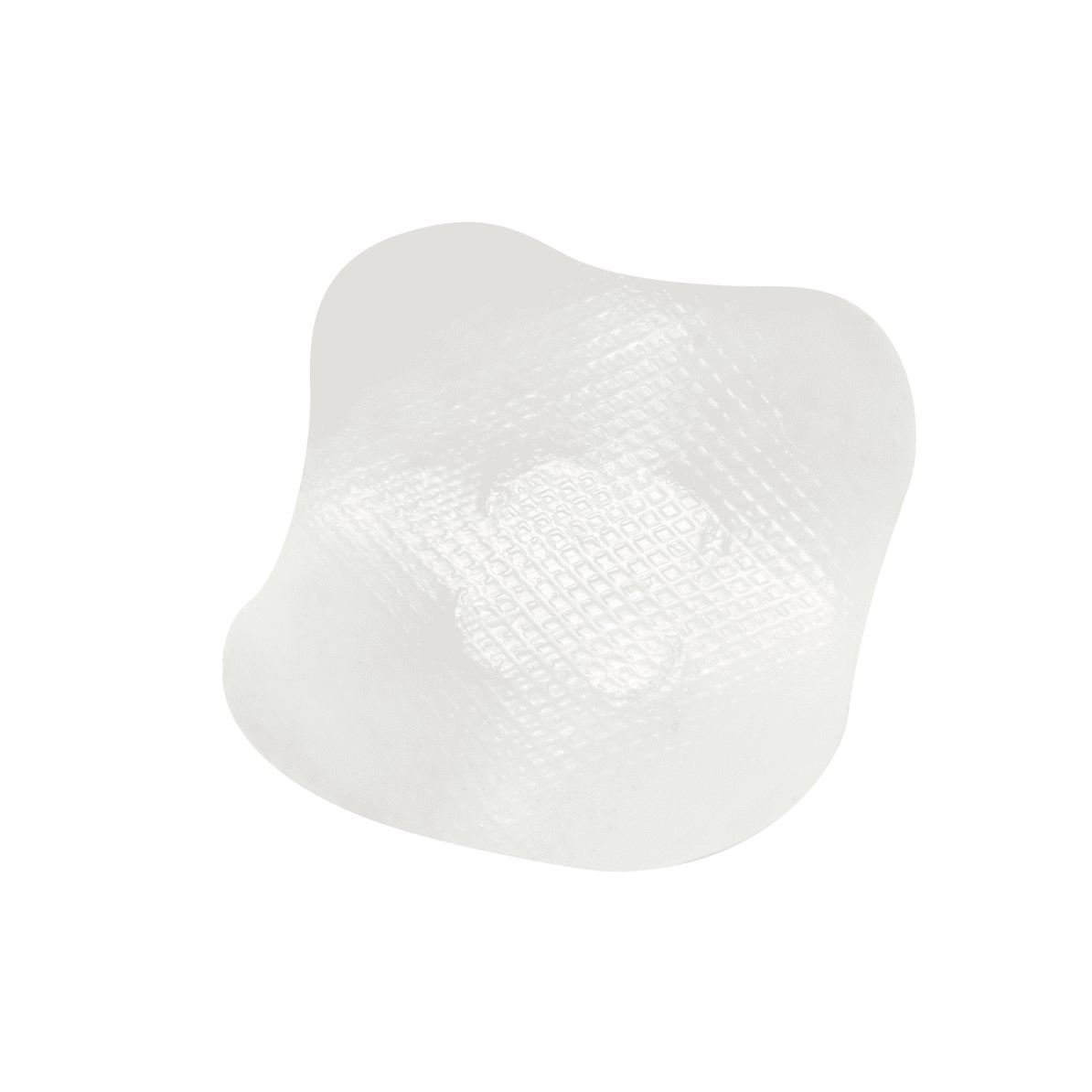
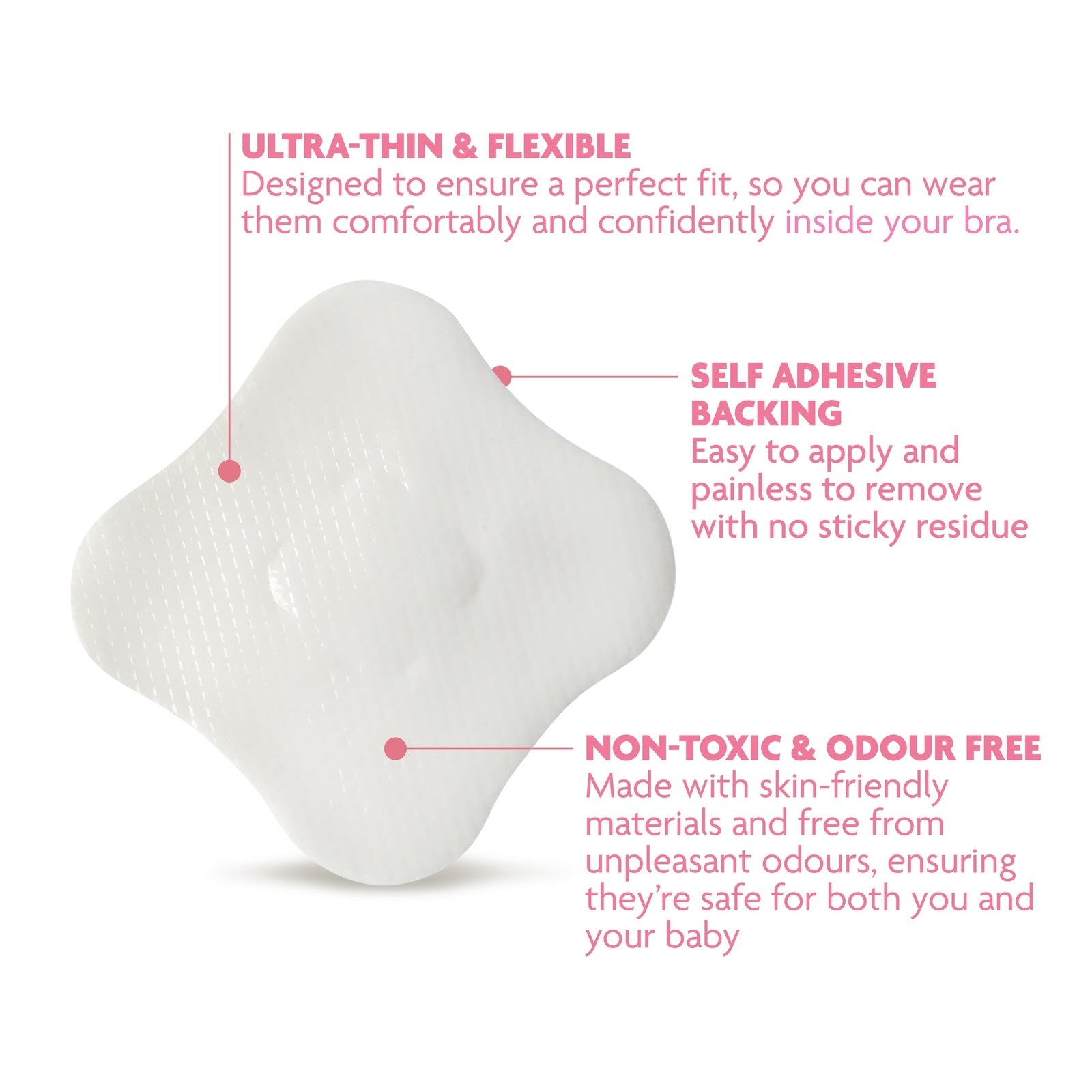
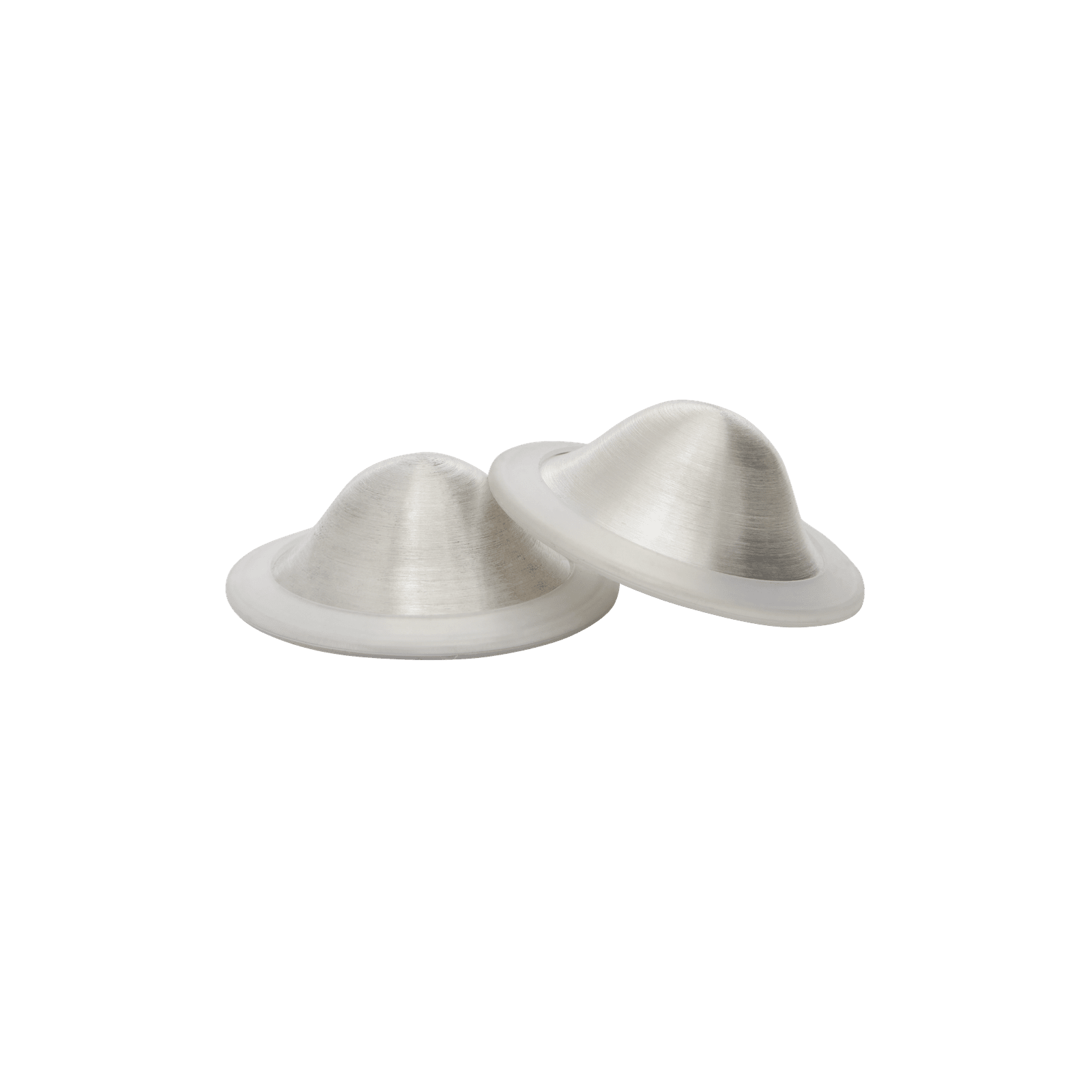
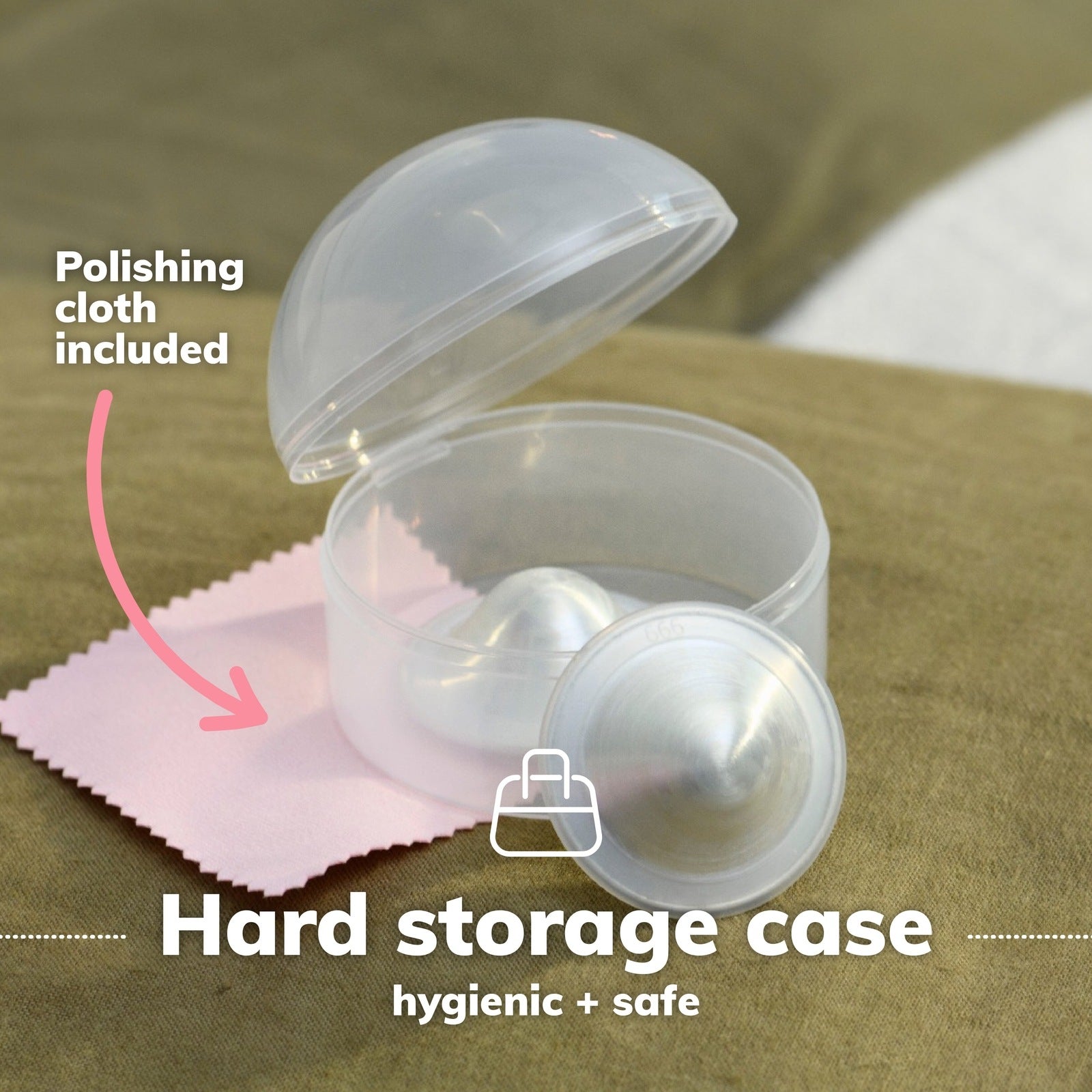
- Nursing Pads: because leaks always happen at the worst moment
- Back Support: for all the hunching, lifting and rocking
- Wearable Breast Pump & Care Kit: meant my partner could do a night feed, and I got my first four-hour sleep in six weeks
- Glass Baby Bottles: for expressed milk, bottle-feeding or combo-feeding
What I'd tell myself on day one
- Say yes to every meal and every offer to hold the baby.
- Stock up on postpartum care bits before birth.
- Holding your baby all day isn't a bad habit. It's what they need right now.
- Your 6-week check is for you too, so be honest.
- It gets easier. Slowly, but it does.
If you're in your fourth trimester right now, you're doing a better job than you think. 💛
For more honest guides and real stories on pregnancy, postpartum and feeding, explore Spill the Milk, our hub for real-life motherhood.
FAQs
What is the fourth trimester?
The fourth trimester is the first 12 weeks after birth, when mum recovers physically and emotionally and the baby adjusts to life outside the womb.
What does a postpartum recovery timeline look like?
Bleeding is heaviest in the first one to two weeks and usually eases over around six weeks. Most mums have a postnatal check with their GP at six weeks, and many feel stronger between weeks 7 and 12, though recovery can take longer after a caesarean.
Why does my fourth trimester baby want to be held all the time?
Newborns are used to the warmth, closeness and movement of the womb. Holding, rocking and skin-to-skin contact help them feel safe.
Most mums rely on maternity pads, disposable briefs, cooling peri care, nursing pads and a comfortable maternity bra in the early weeks.
When should I get help?
Contact your GP, midwife or child health nurse if you have heavy bleeding, fever or signs of infection, or if low mood or anxiety lasts two weeks or more. The PANDA helpline is 1300 726 306.