Maternity Blog & News | New Beginnings

Essential Care Packs for New Mums: Postpartum, Pregnancy, and Breastfeeding
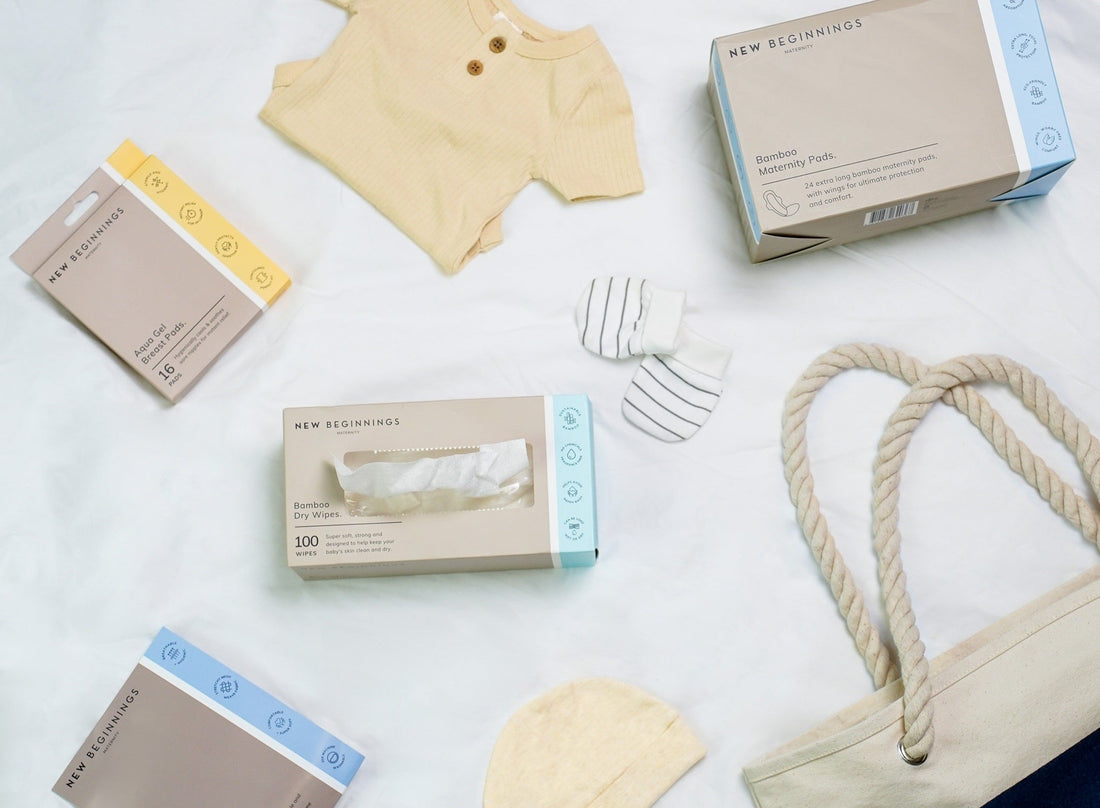
Whatever stage you find yourself, new mum care packs can help you navigate this beautiful yet demanding phase. In this blog, we go through essential care packs to support you during each stage of pregnancy, postpartum and beyond.
Learn more
Breast Pumps: Comparing the New Beginnings Breast Pumps
To help you choose the best breast pump for your needs, we've created a comparison table.
Learn more
A parent's guide to UV sterilisers
A UV steriliser for baby is one of those products that sounds complicated until you actually use one. No water, no chemicals, no waiting for things to dry. Here's the honest guide to what they are, how they work, and whether one is right for you.
Learn more
How to put yourself first this Mother’s Day
Celebrate Mother’s Day, every day. One day a year people everywhere shower their mums with cards, gifts and little celebrations to remind them how wonderful we all think they are. But why should you limit yourself to one day a year when you’re a mother 24/7, 365 days a year? This year we’re encouraging mums, carers, guardians and anyone playing that vital role in a child’s life, to take some time for themselves and practice some good old self care and love. Every family is different. We recognise that there is no single definition of what it means to be a mother. A mum can come from any background, ethnicity, or sexual orientation. They can be single or in a relationship. They can work full-time or be a stay-at-home parent. A mum can choose to have children biologically or adopt, be young or old, and identify as a parent whichever way she chooses. And we acknowledge that not all mums may identify as a ‘she’. So however you choose to parent, we applaud you! You’re doing a great job. Self care for mothers. What is it and what does it look like? We hear this word a lot these days, and while it’s all well and good to hear it, what does it mean and how can you start doing it? Self-care is the practice of taking intentional actions to improve your physical, emotional, and mental well-being. It involves taking care of yourself through activities that promote relaxation, stress reduction, and self-improvement. Here are 5 ways you can start practicing self care today: Take time for yourself: Set aside some time every day to do something that you enjoy. It could be anything from reading a blog like this one, to taking a walk outside. Get enough sleep: It's essential for your mental health and physical wellbeing to get adequate sleep. While it feels nearly impossible to do this when you have a newborn or toddler, asking your family to take the kids for a few hours when needed so you can get some shut-eye is sure to make a world of difference. Eat a balanced diet: While sometimes very challenging, eating well can have a significant impact on your mood and energy levels. So instead of just prepping your kid’s meals each week, pack yourself a lunchbox too! Fill it with all of the nutritious foods you want your kids to eat more of too – they love to follow in your footsteps! Exercise: While running around after the kids does technically qualify as exercise, it’s the time you take for yourself to exercise which boosts your mood and reduces stress levels. Even if it’s just a few minutes of physical activity each day, you’re mind and body will thank you. Connect with other mums: Being around others who understand and relate to your challenges can provide social support and validation, reduce feelings of isolation and offer opportunities to learn coping strategies. Additionally, spending time with like-minded individuals can boost self-esteem, promote relaxation and provide a much-needed break from the demands of motherhood. So what are you waiting for? Pick up that phone and start making plans! Retail therapy: When was the last time you bought something for yourself? If you’re taking a few minutes to think, then it’s time to get that cart firing! Buying yourself little things like jewellery, clothes or even takeaway will give you a psychological and emotional boost. Ready to start shopping? Why not start at New Beginnings where you can find everything you need as a new mum. At New Beginnings, we're committed to supporting mothers and families from pregnancy onwards and want to take this moment to wish you all a very happy Mother's Day, today, tomorrow and every single day of the year! Finding yourself Googling everything from boobs and bums to bubs and bibs? Visit New Beginnings, where you’ll find a range of helpful articles, products and tips for navigating this new chapter of your life - mummahood.
Learn more
Will I ever stop crying over everything?
Will I Ever Stop Crying Over Everything? Understanding Emotional Ups and Downs During Pregnancy For many expectant mums, crying over seemingly small things can become a frequent occurrence, leaving them wondering if they will ever stop feeling this way. And while it’s totally normal and nearly every mum will experience it, it’s helpful to know why it’s happening and how you can manage it. Why am I feeling so emotional? Pregnancy is a time of intense hormonal changes. Your body is producing more estrogen and progesterone than usual, which can affect your moods and emotions. These hormones can cause you to feel more fearful, anxious, and bring on sudden crying spells. It can also cause big mood swings, taking you from feeling deliriously happy one minute, to deeply sad the next. Whenever you feel it, however you feel it, just know that it won’t last, and when you start sobbing during infomercials, take comfort in knowing you’re not alone. Will being so emotional affect my baby? Many mums worry if their sudden bursts of emotions are harming their baby. The short answer is no. But it's important to remember that taking care of your emotional well-being is just as important as taking care of your physical health during pregnancy. How to conquer crying spells? Crying spells can be challenging to manage, but there are some things you can do to help reduce their frequency and intensity. Sleep One of the most important things you can do is get enough sleep. Pregnancy can be exhausting, and lack of sleep can make your emotions more volatile. Stay active Staying active and exercising regularly can also help you feel more balanced and reduce stress. Talk to someone Talk to your partner, friends, or family members about how you're feeling. Sharing your emotions can help you feel less alone and provide a sense of support and understanding. Getting your ducks in a row When you’re feeling overwhelmed it helps to make a list of everything you need, and tick those things off one by one. We offer a huge range of resources as well as maternity essentials, breast care and feeding products that can help you cope with how you feel now, and prepare for what’s to come. In summary, experiencing emotional ups and downs during pregnancy is completely normal and won’t last forever. But if you do find yourself not coping, please reach out and speak to your doctor. They can assist with professional guidance to help you navigate your way through your pregnancy. Finding yourself Googling everything from boobs and bums to bubs and bibs? Visit New Beginnings, where you’ll find a range of helpful articles, products and tips for navigating this new chapter of your life - mummahood.
Learn more
Do I Really Need a Breast Pump?
It's on almost every baby checklist. It's in almost every hospital bag guide. And yet plenty of mums arrive home with a newborn and realise they have absolutely no idea whether they actually need one, how to use it, or which of the seventeen options on the market is right for them. So let's answer the actual question first, then get into the types. Do you need a breast pump? Maybe. It depends entirely on how you plan to feed your baby and what your daily life looks like. What we can tell you is that for a significant number of breastfeeding mums, having a pump on hand makes a real and practical difference, and knowing which type suits your situation before you buy saves a lot of frustration later. Why Do Mums Use a Breast Pump? There are more reasons to use a breast pump than most people realise before they have a baby. You might use one to [1]: Relieve engorgement when your milk comes in and your breasts become uncomfortably full Build a freezer supply so your partner or someone else can feed your baby while you sleep, rest, or return to work Maintain or increase your milk supply, since milk production works on a supply-and-demand basis and regular expressing helps signal your body to keep producing [2] Continue providing breast milk if your baby is having trouble latching, is premature, or is unwell and unable to feed directly at the breast Have flexibility, so feeding isn't entirely dependent on you being present at every single feed If none of those apply to your situation, you may genuinely not need one. Some exclusively breastfeeding mums who are always with their baby and have no supply concerns never pick up a pump. But for most mums, at least one of those reasons will be relevant at some point in the first twelve months. What Are the Different Types of Breast Pumps? There are three main types and they suit very different situations. Manual Breast Pumps: Simple, Quiet, and Portable Manual pumps are hand-operated, affordable, and require no power source. You control the suction yourself by squeezing a lever or handle. They are quiet, lightweight, and easy to take anywhere. They are well suited to mums who only need to express occasionally, want a simple backup option, or are primarily breastfeeding and just need something on hand for the odd missed feed or engorgement relief. The Silicone Manual Breast Pump is made from 100% food-grade silicone, is soft and silent, and can also be used as a passive milk catcher on the opposite breast while feeding [3]. The main limitation is that manual pumping takes more physical effort and time than electric options. If you plan to express regularly or for extended periods, an electric pump will serve you better. Electric Breast Pumps: Efficient for Regular Use Electric pumps use a motor to create suction and are significantly more efficient than manual options. They come as single pumps (one breast at a time) or double pumps (both breasts simultaneously). A single electric pump works well for mums who express occasionally at home and want something more powerful than manual but don't need to maximise speed. The Single Electric Breast Pump is a practical choice for this kind of moderate use. If you are pumping frequently, returning to work, exclusively pumping, or want to cut your expressing time in half, a double pump is the more efficient option. The Double Electric Breast Pump expresses from both breasts at once, which not only saves time but can also produce a better let-down response. "What a lifesaver!" This has been a lifesaver with my first baby! I was initially having some issues expressing from my left breast but now with the double breast pump my expressing has never been better. — Gladis T., Double Electric Breast Pump Wearable Breast Pumps: The Most Flexible Option Wearable pumps sit inside your bra and operate hands-free. No cords. No tubes. No being anchored to a power point while you wait for the session to finish. You can express while working, cooking, feeding another child, or simply moving around the house like a normal person. The Wearable Breast Pump uses LacTech™ technology to mimic the natural rhythmic phases of breastfeeding across four modes and nine suction levels, giving you a personalised and comfortable pumping experience. It holds up to 180ml per cup, runs for up to 2.5 hours on a full charge, and comes with multiple flange sizes plus a nipple ruler so you can find your correct fit from the start, which makes a significant difference to both comfort and output. For mums who are going back to work, pumping frequently, or just want the freedom to get on with their day while expressing, a hands-free breast pump changes the experience entirely. "A solid nod of approval" This double wearable breast pump pack has been designed with a new mum in mind, right down to having fewer parts to clean and assemble, and having the ultra handy nipple ruler to ensure you can find the right fit straight from the get go. My first time round breastfeeding and then exclusively pumping was made so difficult with not knowing my correct flange size, but this time around the Lactech Breast Pump has all the info and supporting parts to ensure this would not be a problem again. The pump is ultra quiet, comfy to wear and easily slides into my bras. — Kaylie035, Wearable Breast Pump Manual Vs Electric Vs Wearable Breast Pumps Manual Breast Pump Electric Breast Pump Wearable Breast Pump Operated by hand. You create suction with a handle or squeeze body. Powered by a motor for consistent suction and faster expression. Completely hands-free and cord-free sits inside your bra for quiet, discreet pumping. Best for occasional use, quick relief, or travel. Great for daily or exclusive pumping and building supply. Perfect for multitasking mummas who need to pump on the go (or while eating toast one-handed). Small, lightweight, and super quiet. Some noise from the motor, but efficient and powerful. Ultra quiet and compact. No cords, no bottles hanging off you. Lower cost and easy to clean. Ideal as a backup or starter. More expensive, but worth it for frequent pumpers. Higher price tag, but convenience and freedom are priceless. One breast at a time. Single or double options for faster pumping. Typically double - express both sides while staying mobile. No charging or cords, just you and your pump. Requires power or battery; most are rechargeable. Rechargeable and wireless wear, pump, and move freely. Shop the Silicone Manual Pump Shop the Double Electric Pump Shop the Wearable Breast Pump Related Reading More from the Spill the Milk blog: Why Every Mum Needs a Wearable Breast Pump How Long Should a Newborn Feed For? How To Care For Your Breast While Breastfeeding? Glass Baby Bottles for Mixed Feeding: Why Material Choice Still Matter? FAQs About Breast Pumps Do I need a breast pump if I am breastfeeding? Not necessarily, but most breastfeeding mums find one useful at some point. Common reasons include managing engorgement, building a freezer supply, sharing feeds with a partner, or maintaining supply when returning to work. If you are always with your baby and have no supply concerns, you may not need one. But having a pump available gives you flexibility that feeding directly at the breast alone cannot. When should I start using a breast pump? This depends on your reason for pumping. To build a freezer supply before returning to work, many lactation consultants suggest starting to express once breastfeeding is well established, usually around four to six weeks postpartum. If you need to pump from the start due to latch difficulties or a premature baby, your midwife or lactation consultant will guide the timing. Browse the breast pumps collection to find an option suited to your stage. What is the difference between a single and double electric breast pump? A single pump expresses one breast at a time, while a double pump expresses both simultaneously. Double pumps are faster, often stimulate a stronger let-down, and are generally better suited to mums who pump frequently or want to maximise efficiency. Single pumps work well for more occasional expressing. Is a wearable breast pump as effective as a traditional electric pump? For many mums, yes. Output is influenced more by comfort, consistency, and correct flange fit than by pump type alone. The Wearable Breast Pump uses hospital-grade suction with LacTech™ technology and includes multiple flange sizes to help you find the right fit, which is key to both comfort and effective expressing. How do I know what flange size I need? The correct flange size allows your nipple to move freely in the tunnel without rubbing or pinching. Using the wrong size is one of the most common reasons mums find pumping uncomfortable or get poor output. The Wearable Breast Pump includes a nipple ruler and multiple flange sizes so you can measure and trial from day one. If you are unsure, a lactation consultant can help you find the right fit. Can I use a breast pump to increase my milk supply? Yes. Milk production works on a supply-and-demand basis, so regularly removing milk from the breast, whether by feeding or pumping, signals your body to produce more. Expressing after feeds or adding pumping sessions can help increase supply over time. If you have supply concerns, speak with a lactation consultant or your maternal health nurse for personalised guidance.
Learn more
Managing back pain during pregnancy
Back pain is one of those things you can add to your ‘cons’ list during pregnancy. The good news? There are things you can do to help ease back discomfort during pregnancy. We’ve cut it down to 6 best tips to manage back pain during pregnancy.
Learn more
Can I eat that?
Welcome to our first edition of Boogle Blog for 2023! To bring in the new year with a bang, we’re talking about food and what you can and can’t eat (well, should avoid) when you’re pregnant. Being new to pregnancy can be stressful enough without having to worry about everything you eat, drink and put in your body. But to make things easier, we’ve compiled a list of things you should eat more of, and some you should steer clear of. But before we go into all of that, it helps to know why we need to be cautious at this time of the pregnancy, and even when you’re breastfeeding. When you’re pregnant you need more of certain nutrients like protein, iron, folic acid, iodine and calcium. Your immune system is also much lower when carrying a baby, which makes it harder to fight things like the common cold or infections caused by bacteria that can be found in some food. That’s why it’s super important to eat enough good stuff (in-between the hot chips and ice cream), and avoid the stuff that could be bad. So, let’s start with the good… Fruit & vegetables If you’re a fruit and veggie kinda gal, then you’re in luck because these magical foods provide vitamins and minerals, as well as fibre, which helps digestion and can help prevent constipation. According to most studies, they suggest we eat at least 5 portions of a variety of fruit and vegetables every day – these can include fresh, frozen, canned, dried or juiced. A few to add to your shopping list are: Legumes Legumes are great plant-based sources of fibre, protein, iron, folate, and calcium — all of which your body needs more of during pregnancy. Sweet potatoes Not only delicious, but sweet potatoes are rich in beta carotene, a plant compound that is converted into vitamin A in your body. So mash, boil, bake or fry those babies up! Greens Broccoli and dark, green vegetables, such as kale and spinach, provide a number of nutrients that your body +1 need. Benefits include fibre, vitamin C, vitamin K, vitamin A, calcium, iron, folate, and potassium. Meat and protein Lean beef, pork, and chicken are great sources of high-quality protein. Beef and pork also provide your body with iron (you’ll need more of this during pregnancy due to your blood volume increasing), choline, and B vitamins. Berries Berries such as strawberries, raspberries and all the delicious dark red ones contain a lot of goodness like water, healthy carbs, vitamin C, fiber, and antioxidants. Try popping them in your water to fancy-things-up a little. Avocados These popular fruits are high in fiber, B vitamins (especially folate), vitamin K, potassium, copper, vitamin E, and vitamin C. Like we needed another excuse to love them! Fish & seafood While some fish and seafood are in the ‘things to avoid’ list, there are some that are actually good for you to eat while pregnant. The trick is to eat seafood that is high in healthy fats but low in mercury. The following are lower in mercury, so you can eat around 340 grams per week: Canned tuna Cod Herring Salmon Shrimp Tilapia Trout Foods to avoid These foods may have bacteria in them that can be harmful to your baby. So best to avoid all together: Raw (uncooked) or rare (undercooked) fish or shellfish, like sushi or raw oysters Soft cheeses (like feta, Brie, and goat cheese), unless they are pasteurised Raw or rare meats, poultry, or eggs (hard boiled eggs are fine) Unpasteurised juices or milk Lunch or deli meats, smoked seafood, and hot dogs – unless they are heated until steaming hot Prepared salads like ham salad, chicken salad, or seafood salad Raw sprouts, including alfalfa, clover, radish, and mung bean sprouts And of course there’s alcohol, caffeine (don’t worry mumma, you can still have around 1-2 cups per day), and super sugary drinks that are all on the no-go list. At the end of the day, you know your body, and everything just needs to be in moderation. But, if in doubt, it’s always best to consult your Dr. That’s what they’re there for! Finding yourself Googling everything from boobs and bums to bubs and bibs? Visit our New Beginnings website, where you’ll find a range of helpful articles, products and tips for navigating this new chapter of your life - mummahood.
Learn more
Baby & pregnancy-friendly festive activities
Ho, ho, ho! Welcome to the last edition of our Boogle Blog for 2022, where we’re gifting you some holiday ideas that you can enjoy while pregnant or with a newborn. Yes it’s true, Christmas and NYE can be a bit hectic when you’re pregnant or sleeping only 45 seconds most nights with a bub. But, while prawns and champagne might be off your list, we’re here to tell you there are some things you can do to put some jingle in your bells. First things fist, relax A word we’re definitely not used to hearing over the holiday season but one that you can milk right now. Yes, it’s important for you to pass on the chores and opt for the couch. This time of the year is about keeping you and bub healthy and happy, so if that means being waited on, so be it! Travel right Whether you’re heading away for the holidays or staying over at a family or friend’s house, packing for a baby can be challenging. Our advice? Stock up on travel-friendly products that will make your life 100 times easier. Things like a portable steriliser that helps you eliminate 99% of germs and bacteria wherever you are, a double electric breast pump that lets you pump on the go, New Beginnings dry wipes for any spills or mishaps along the way and if you’re breastfeeding, get yourself some Aqua Gel cooling breast pads. These amazing things work without needing a fridge - just peel and apply! Gift yourself a break If you’re pregnant with your first baby, make this Christmas all about you. After all, once your little one is here you’ll be spending every holiday season running around after them. Why not organise a merry movie night with your partner, friends or kids, order take out so there’s no need to cook and schedule a daily nap. Swap midnight for midday If you’re pregnant, staying up until midnight to ring in the New Year is a hard task. Why not move things to noon? You can then do a countdown with the kids, or just with family and friends and get to bed early! Sounds good to us. Fake it till you make it If you’re not drinking booze during the break, it’s time to get your mocktail on! Grab yourself a list of yummy drinks and get mixing! And when it’s champagne time, try clinking glasses with sparkling apple juice. Swap travel for guests Travelling when you’re pregnant or with a little one can be hard work. If you’re pregnant it can be uncomfortable and you’ll need plenty of pee stops. And with a newborn… well you just never know what to expect. This year try asking people to come to your house, that way you can stay put and have everything you need, all around you. Including your toilet. From all of us at New Beginnings, we wish you a very happy holiday season and a wonderful new year full of love, laughter and pitter patter. Finding yourself Googling everything from boobs and bums to bubs and bibs? Visit our New Beginnings website, where you’ll find a range of helpful articles, products and tips for navigating this new chapter of your life - mummahood.
Learn more
Shop by stage
Whether your expecting, postpartum or looking for products to help you through feeding your baby, New Beginnings is here to walk alongside your journey of motherhood.